SARC 2010-11

Executive Summary School Accountability Report Card, 2010–11

For Alhambra High

Address: 101 South Second St., Alhambra, CA, 91801-3716 Phone: (626) 308-2342
Principal: Brad Walsh, Principal Grade Span: 9-12

This executive summary of the School Accountability Report Card (SARC) is intended to provide parents and community members with a quick snapshot of information related to individual public schools. Most data presented in this report are reported for the 2010–11 school year. School finances and school completion data are reported for the 2009–10 school year. Contact information, facilities, curriculum and instructional materials, and select teacher data are reported for the 2011–12 school year. For additional information about the school, parents and community members should review the entire SARC or contact the school principal or the district office.

About This School

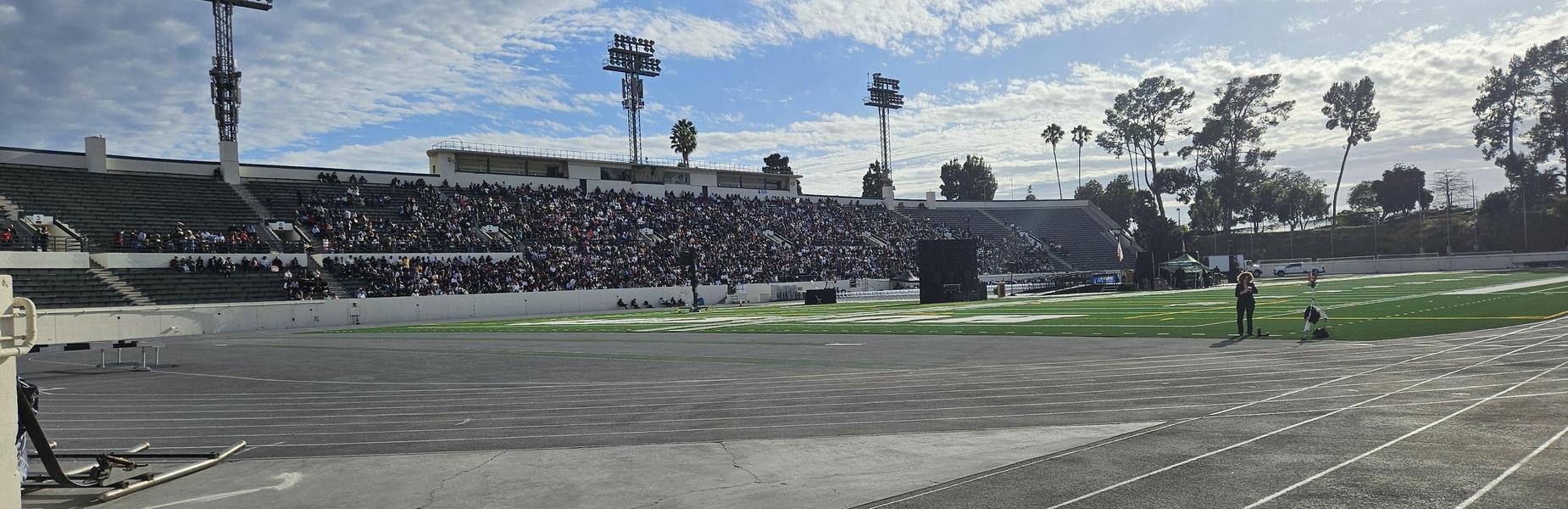
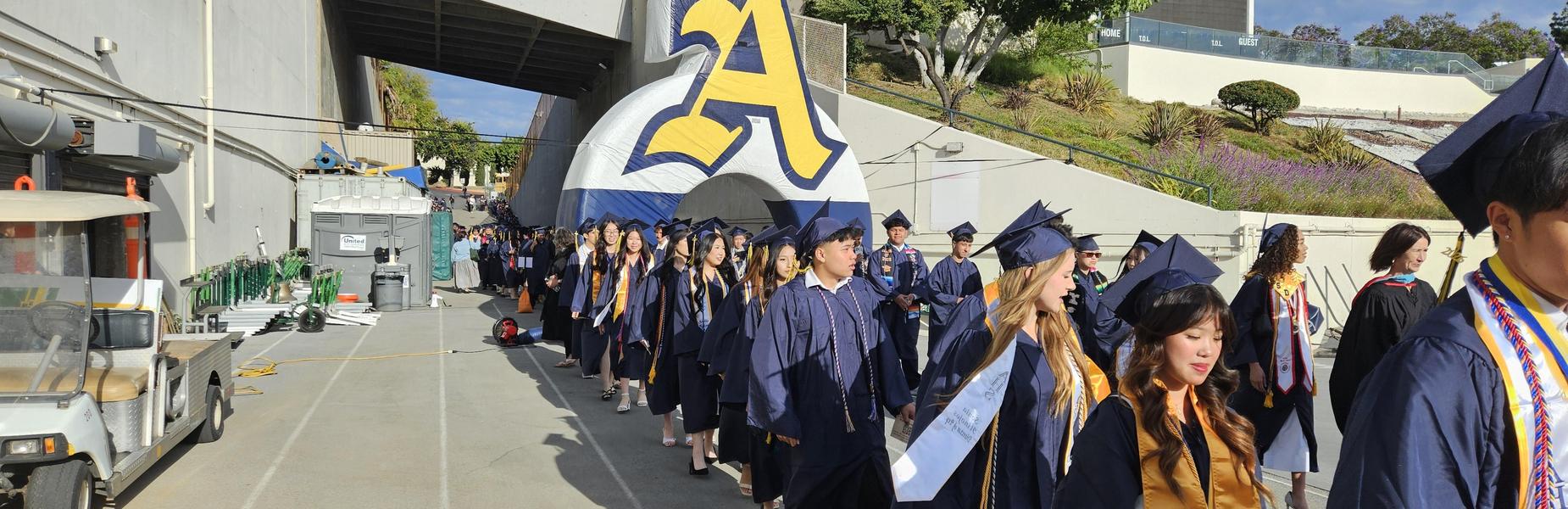
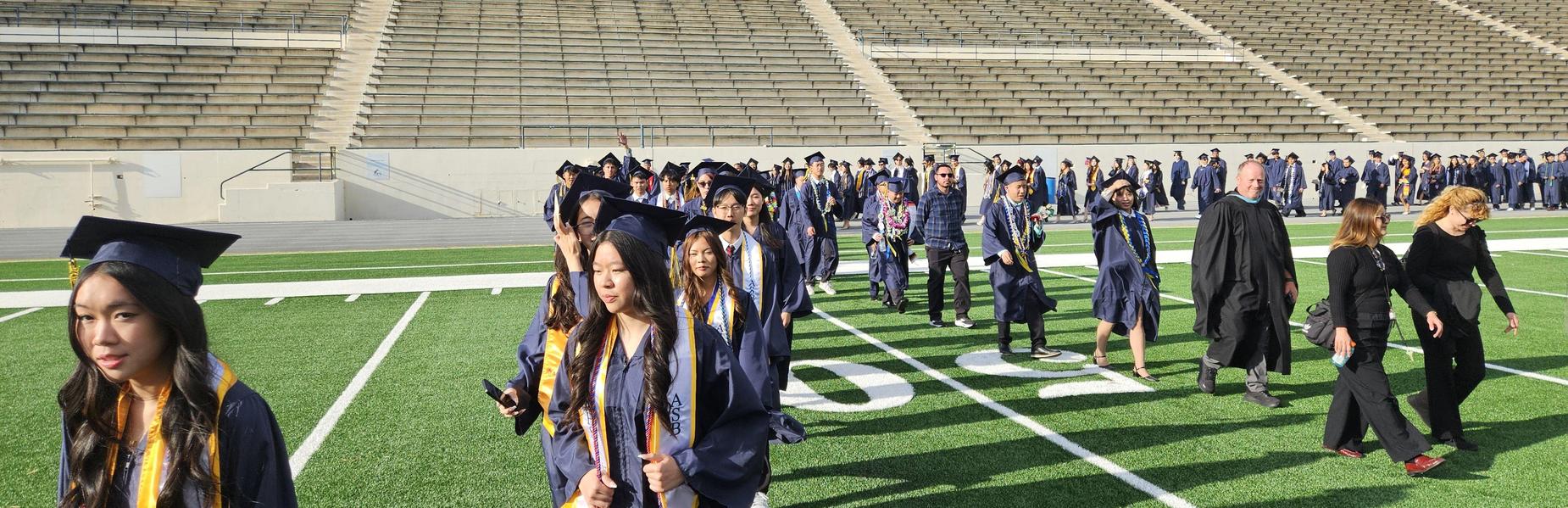
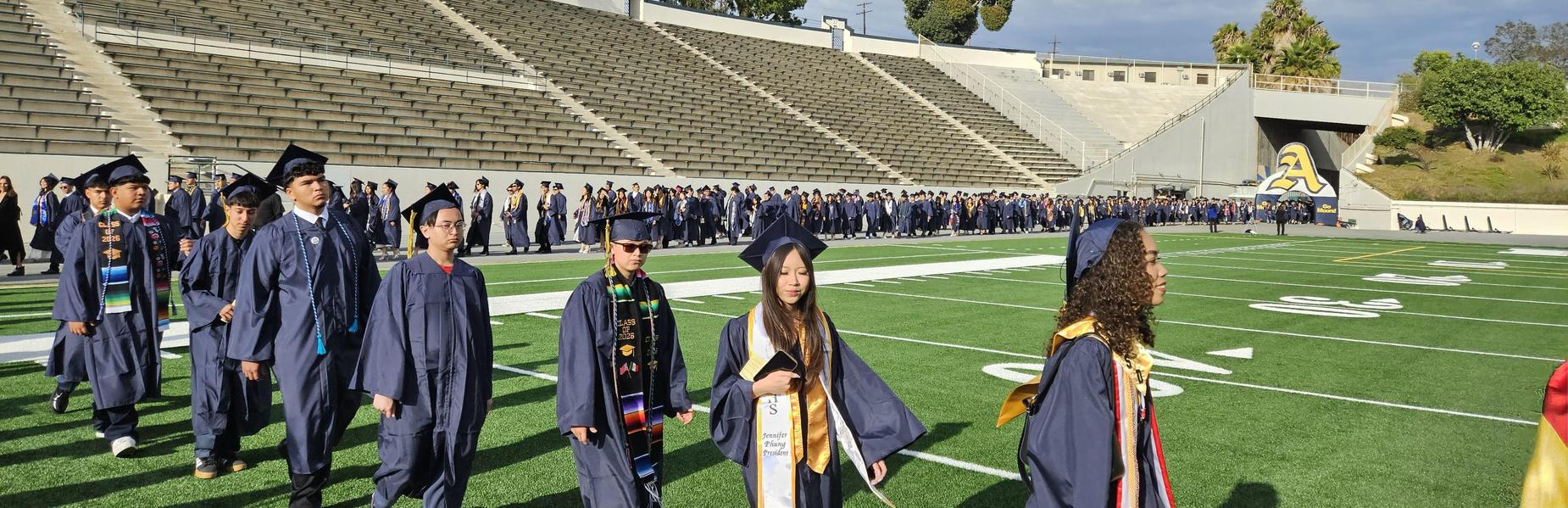
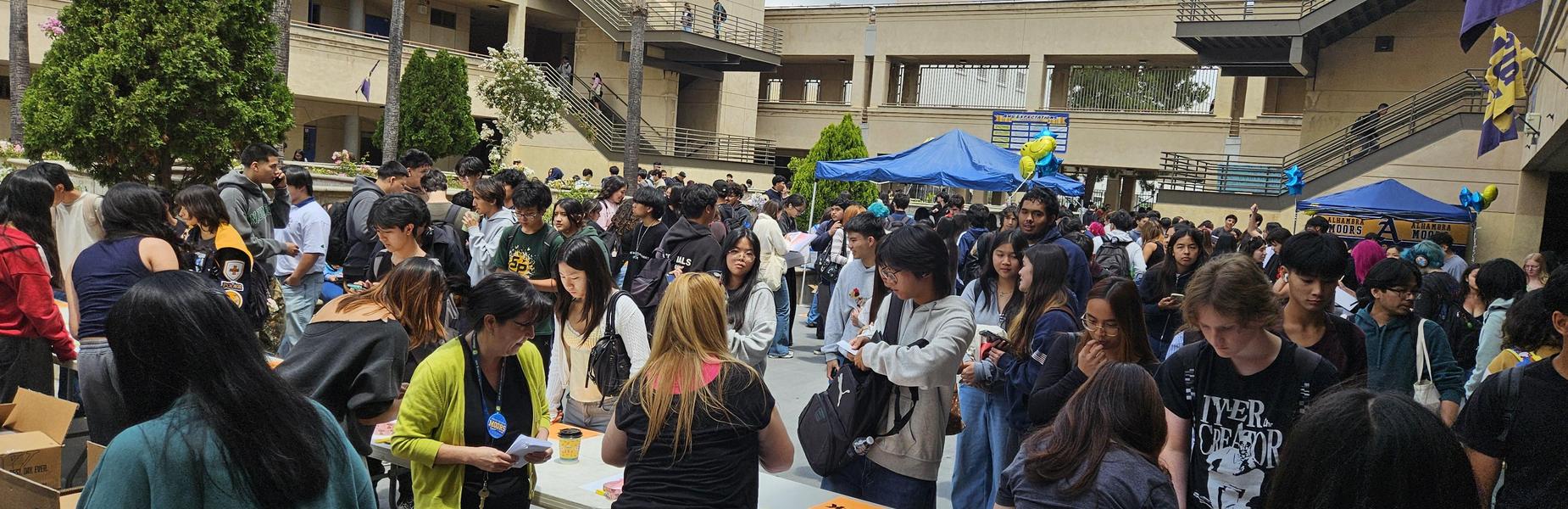
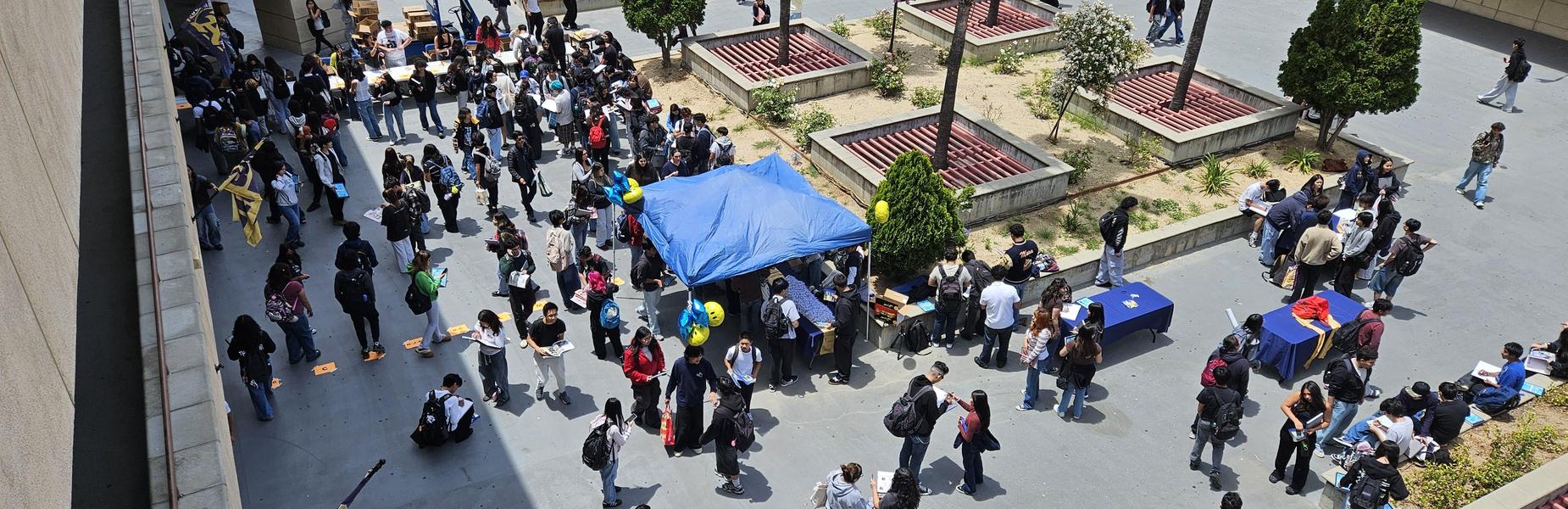
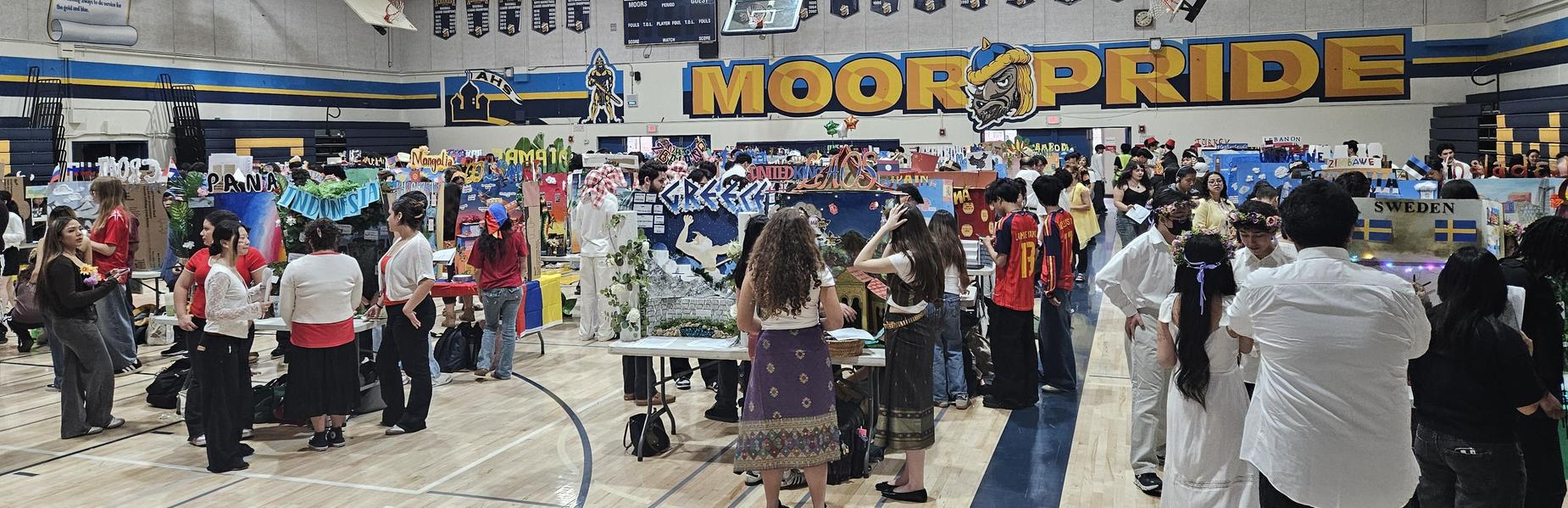
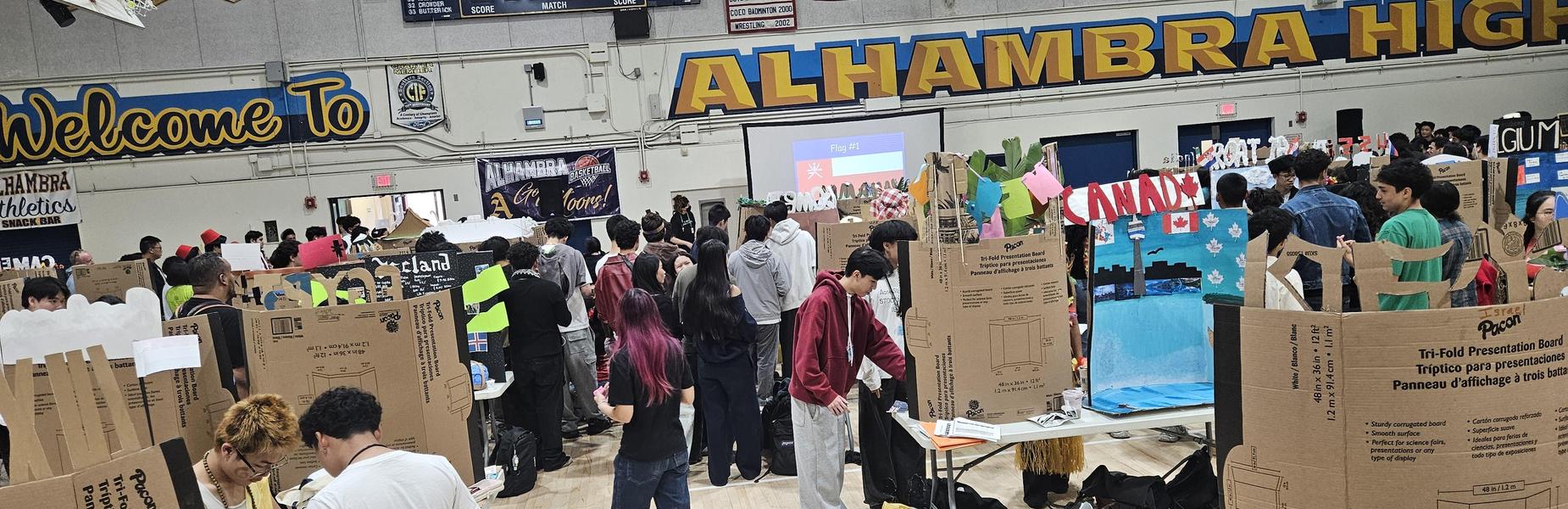
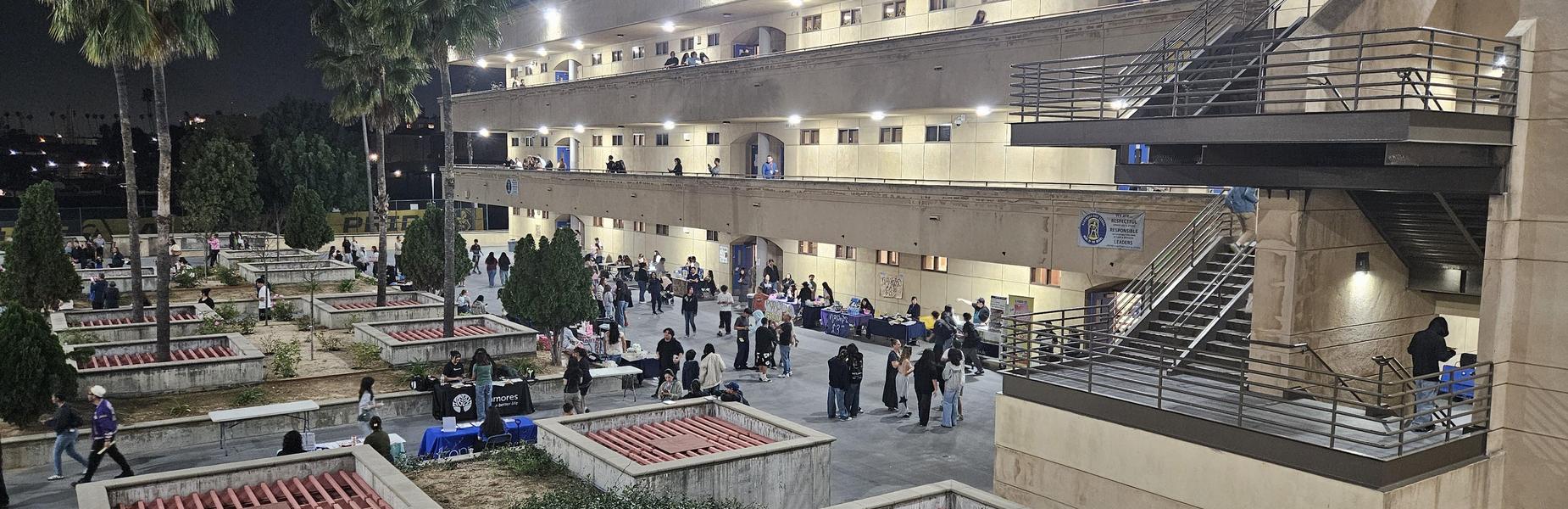
Alhambra High School, the home of the Moors since 1898, provides every student with a structured learning environment with the following student goals; Motivated and self-directed learners, to become Organized and effective communicators, Original and critical thinkers, Responsible and respectful citizens and to be Self-disciplined.

Our faculty and staff are committed to providing the best educational opportunities available and to delivering quality standards-based instruction, emphasizing critical thinking, decision-making, and problem solving. Evidence of this commitment is our ranking in the top 565 schools by US News and World Report’s America’s Best High Schools, which assessed 21,786 high schools across the United States.

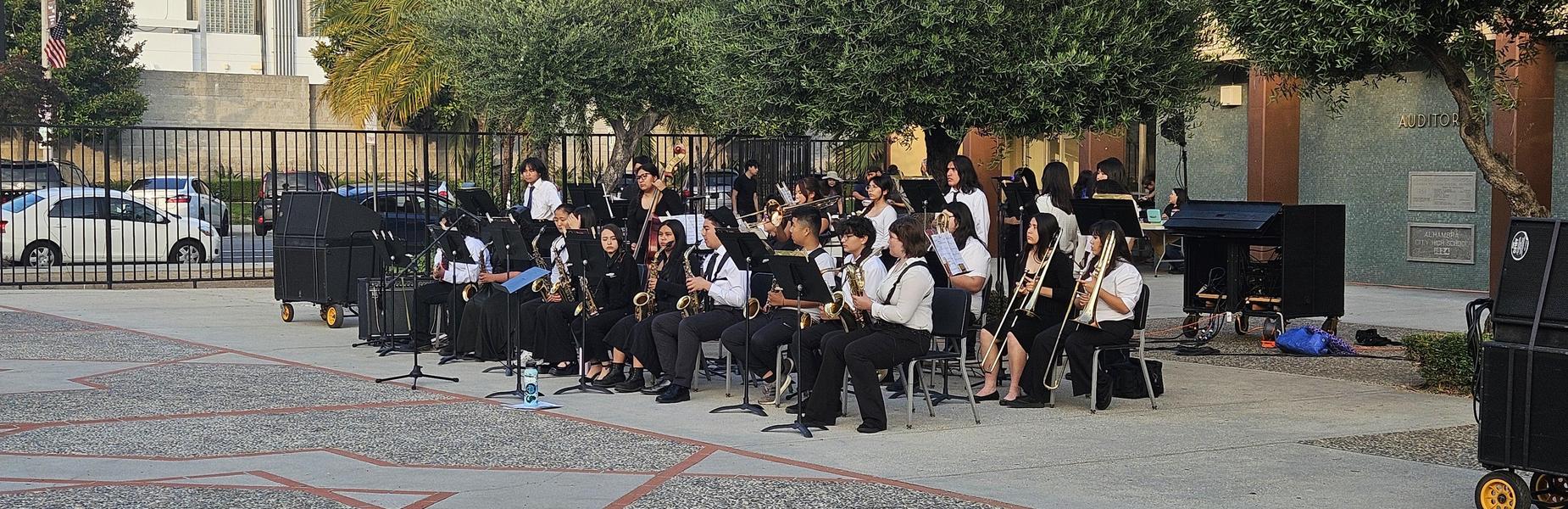
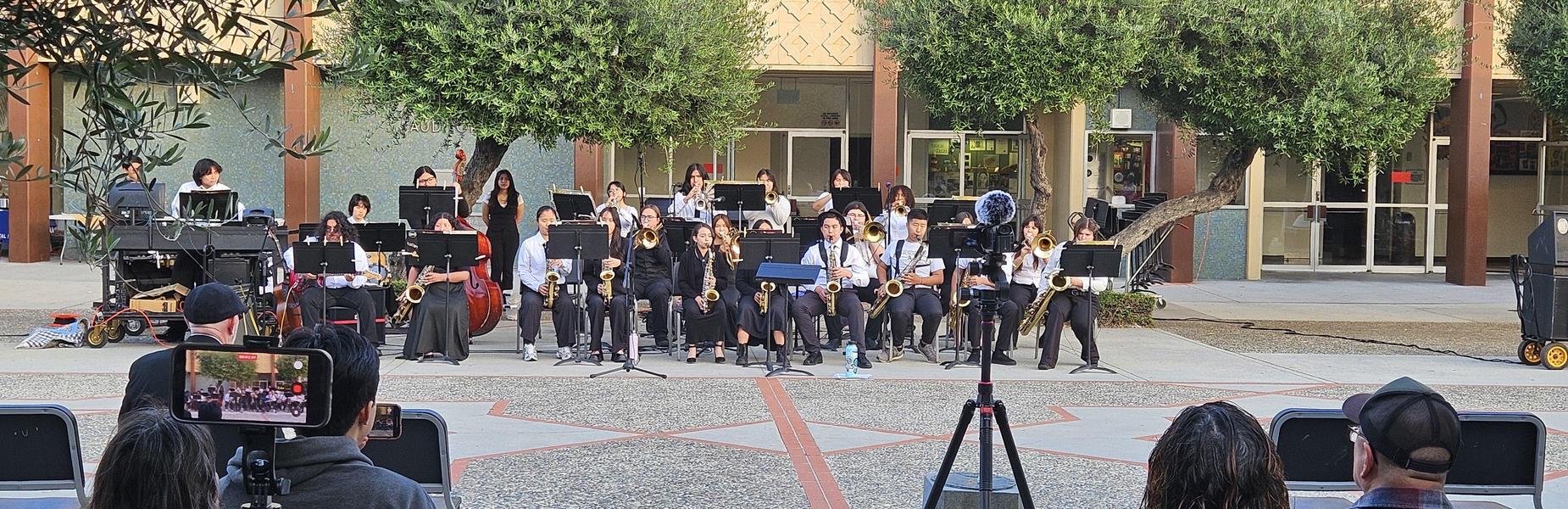
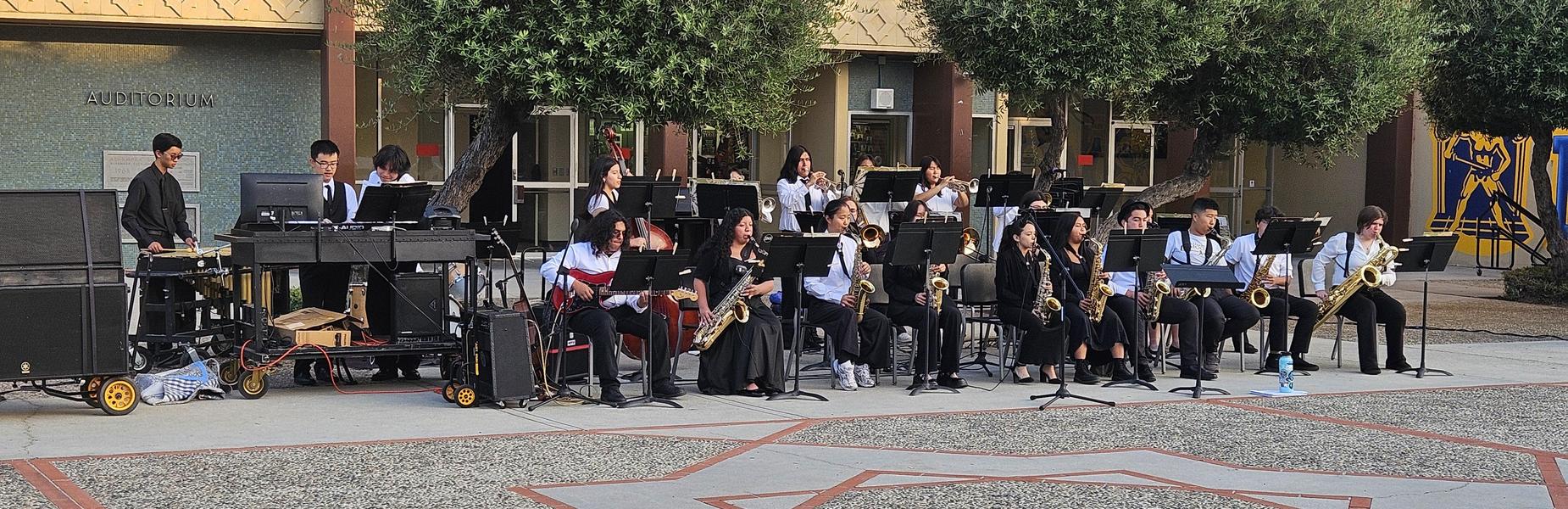
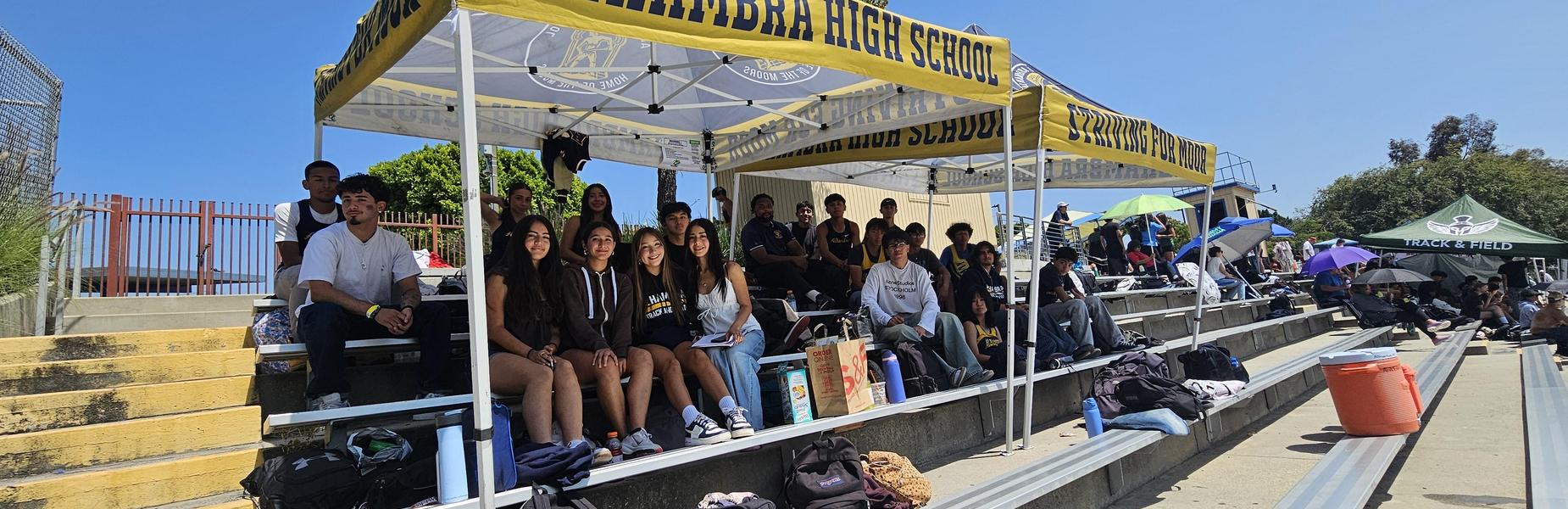
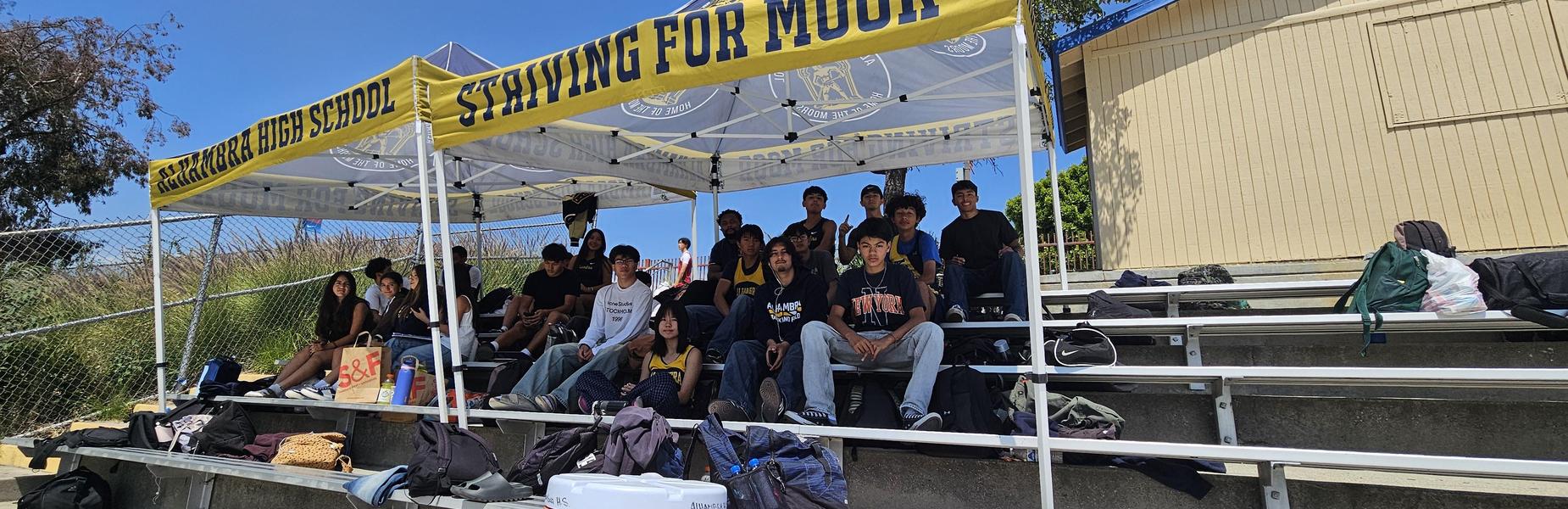
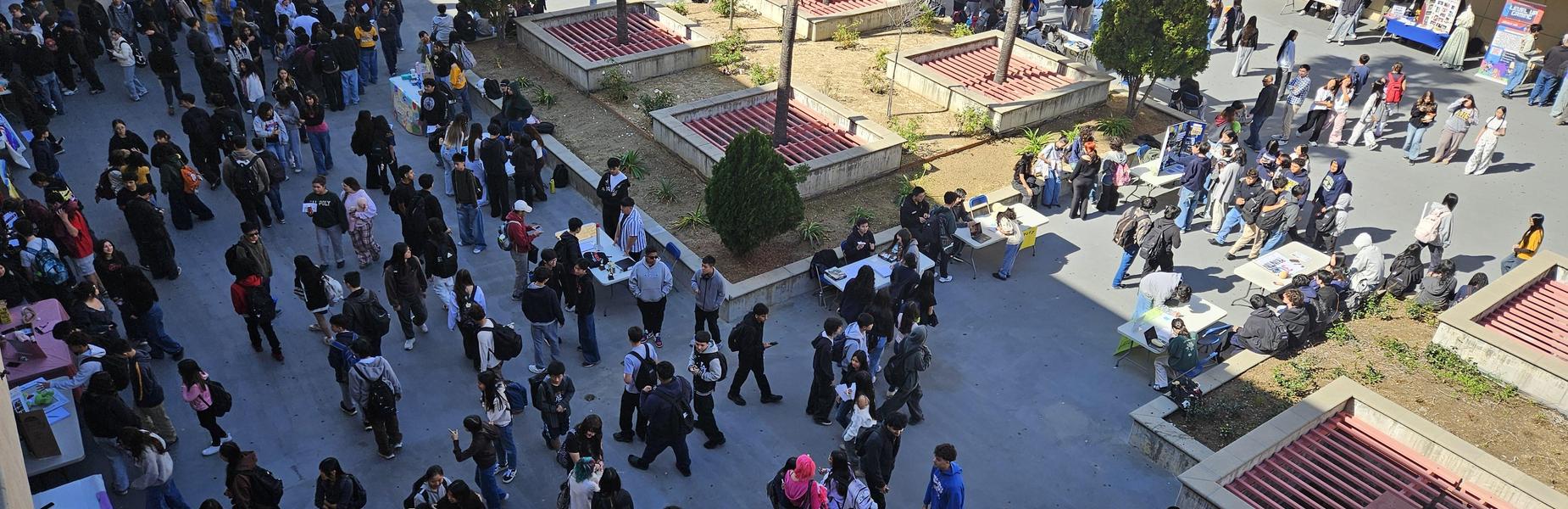
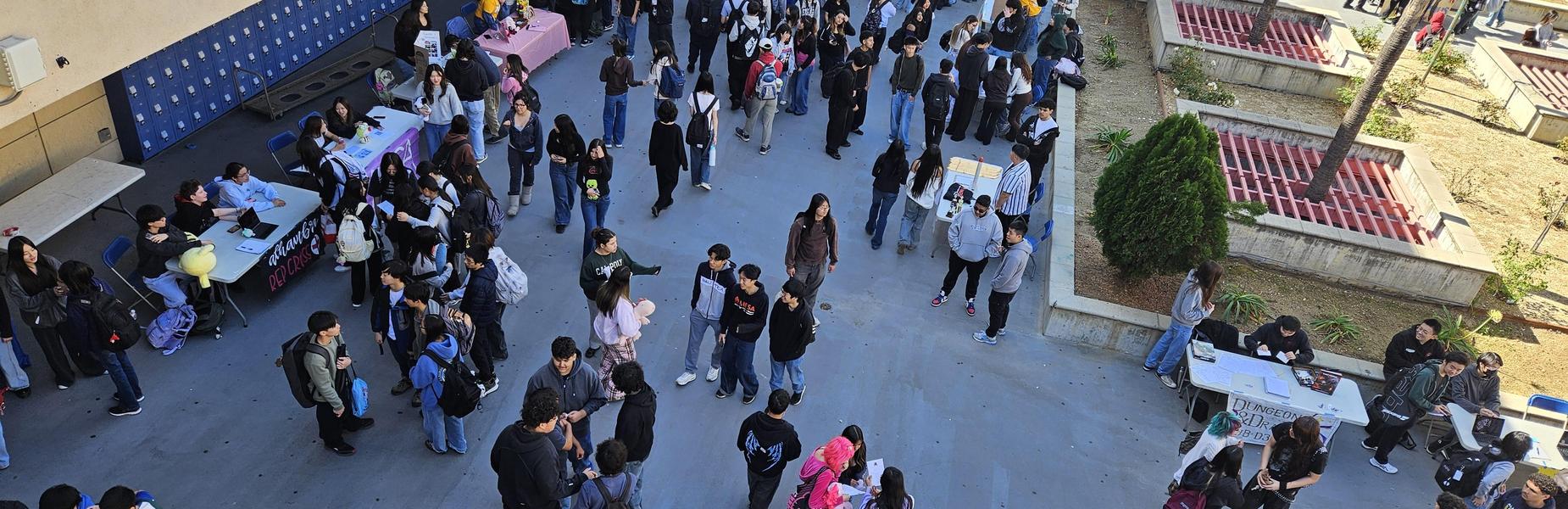
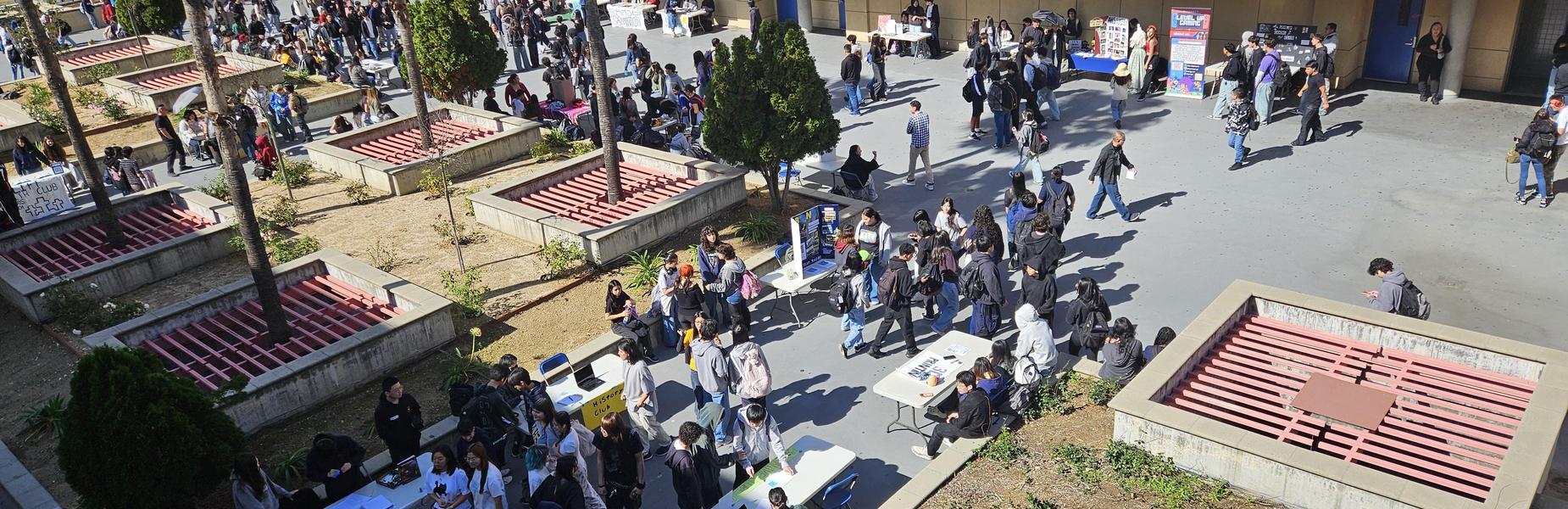
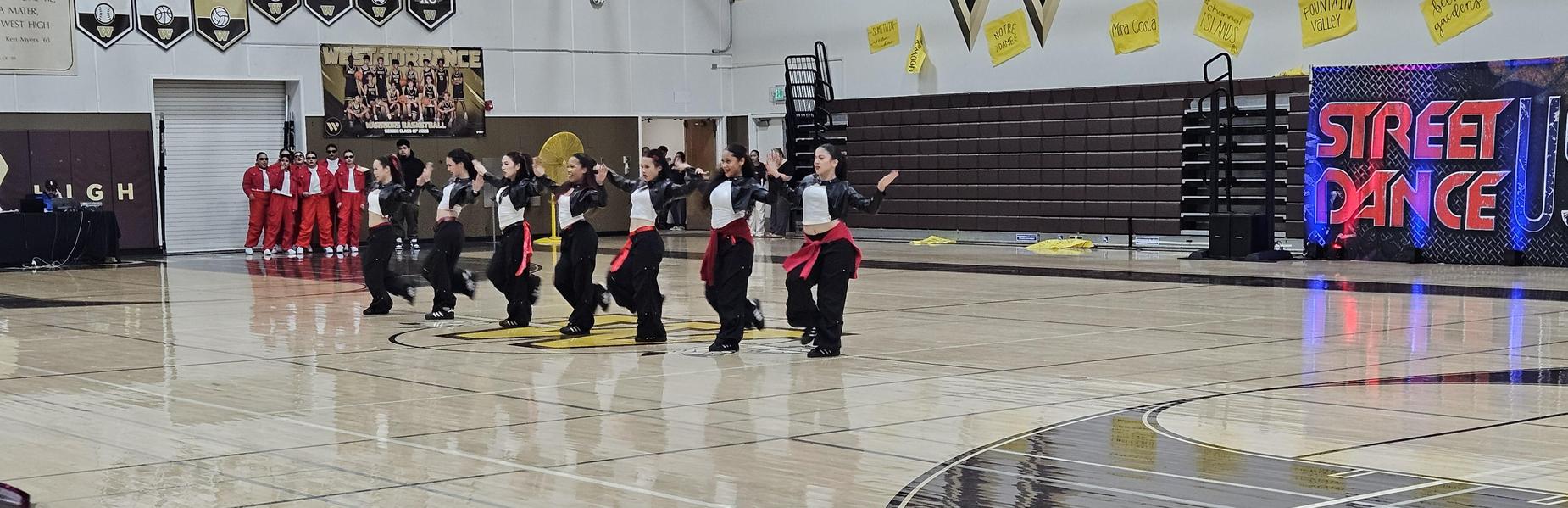
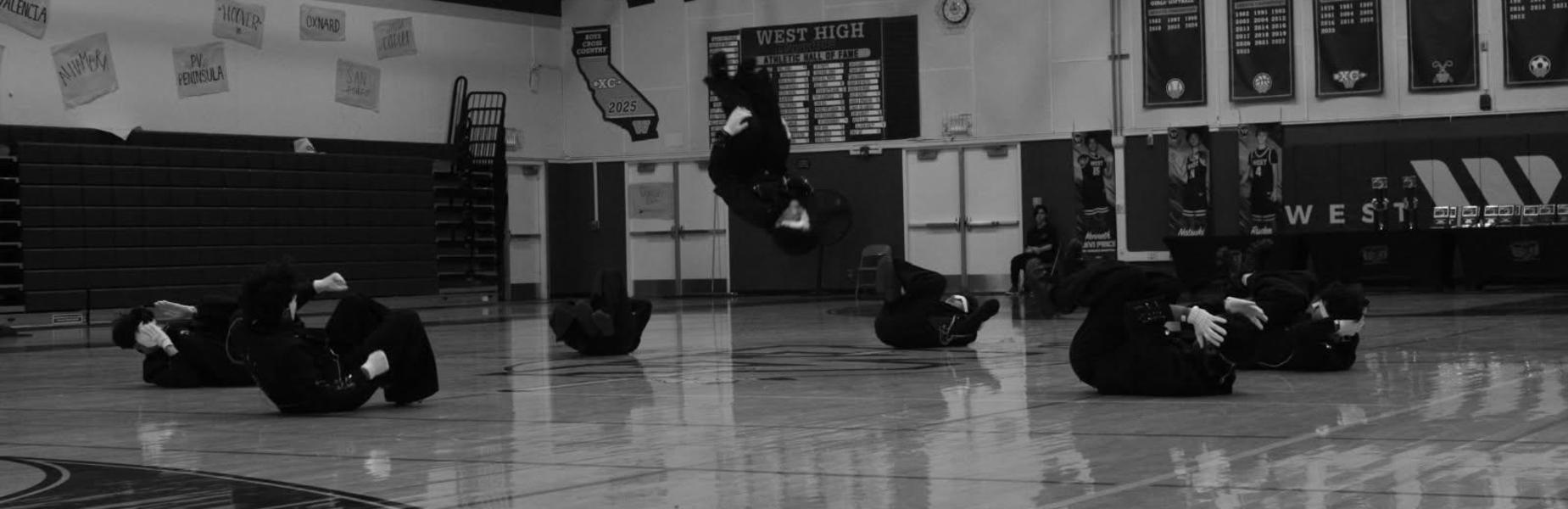
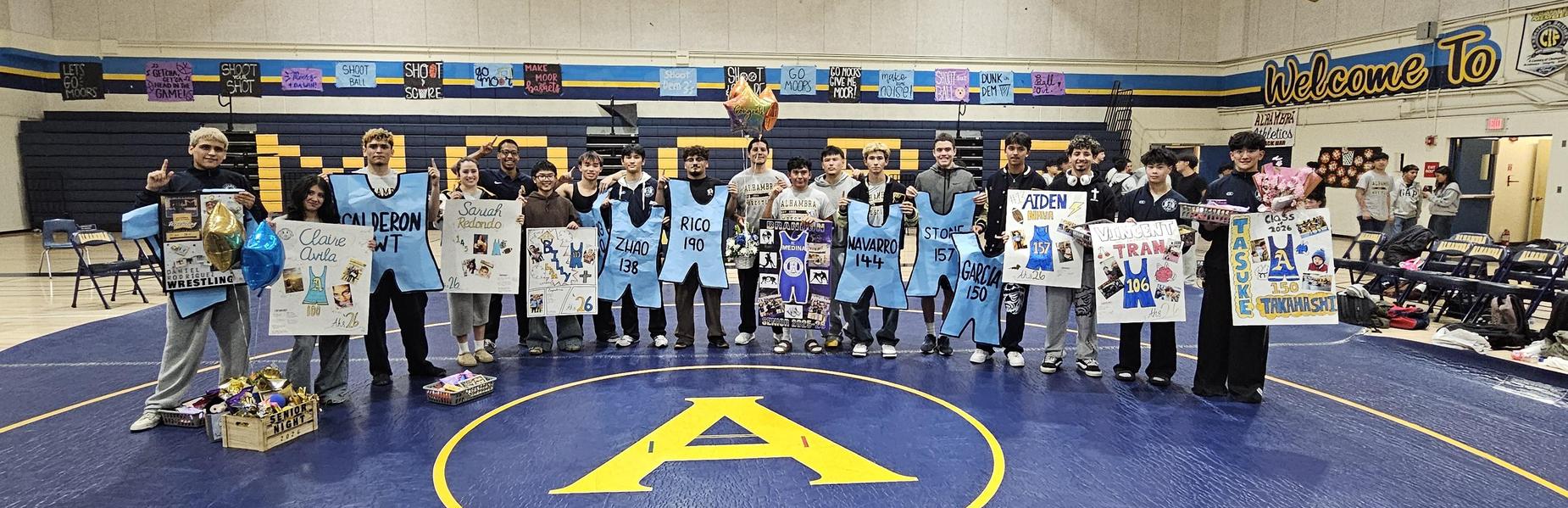
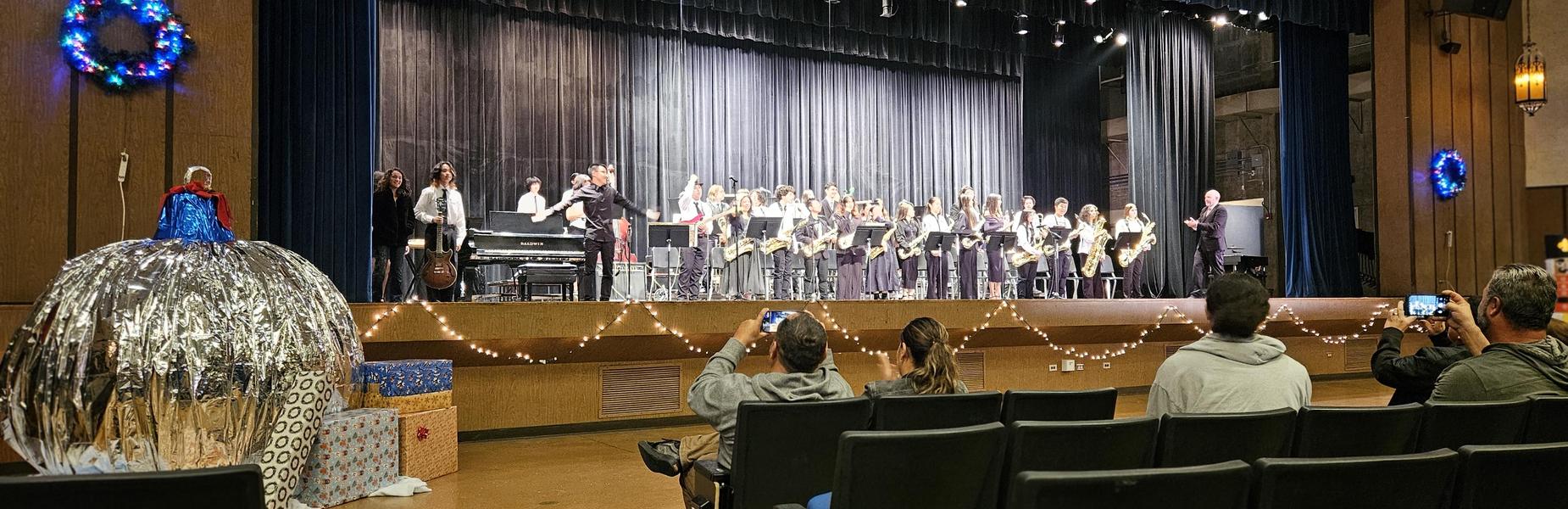
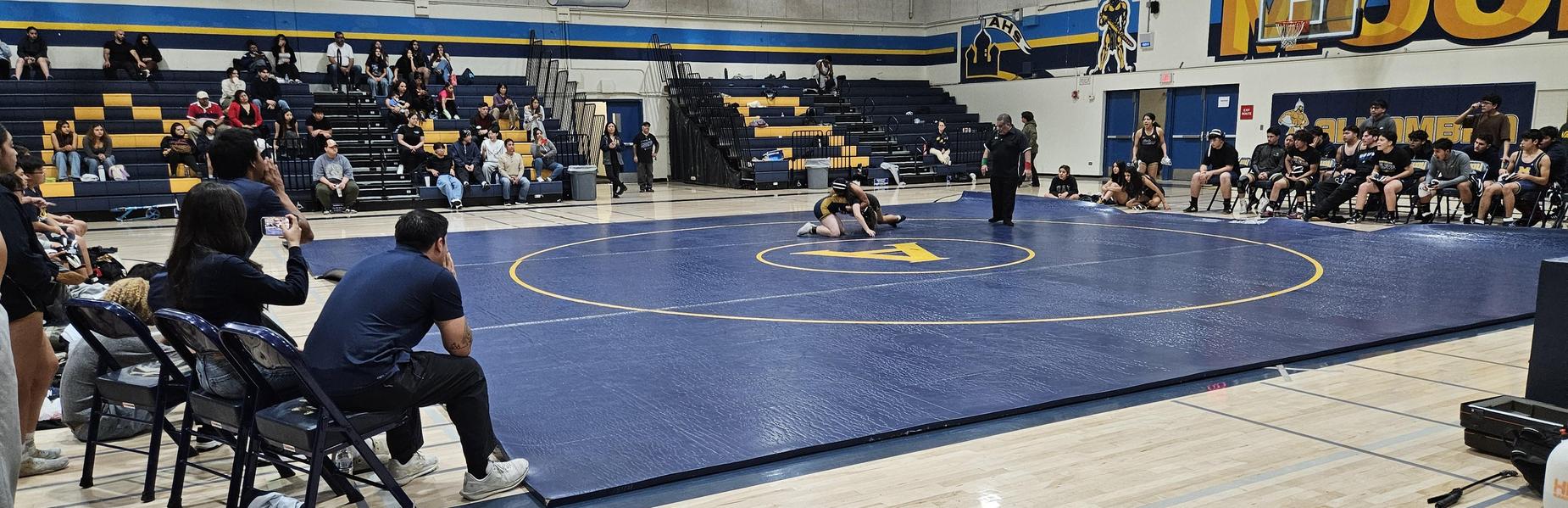
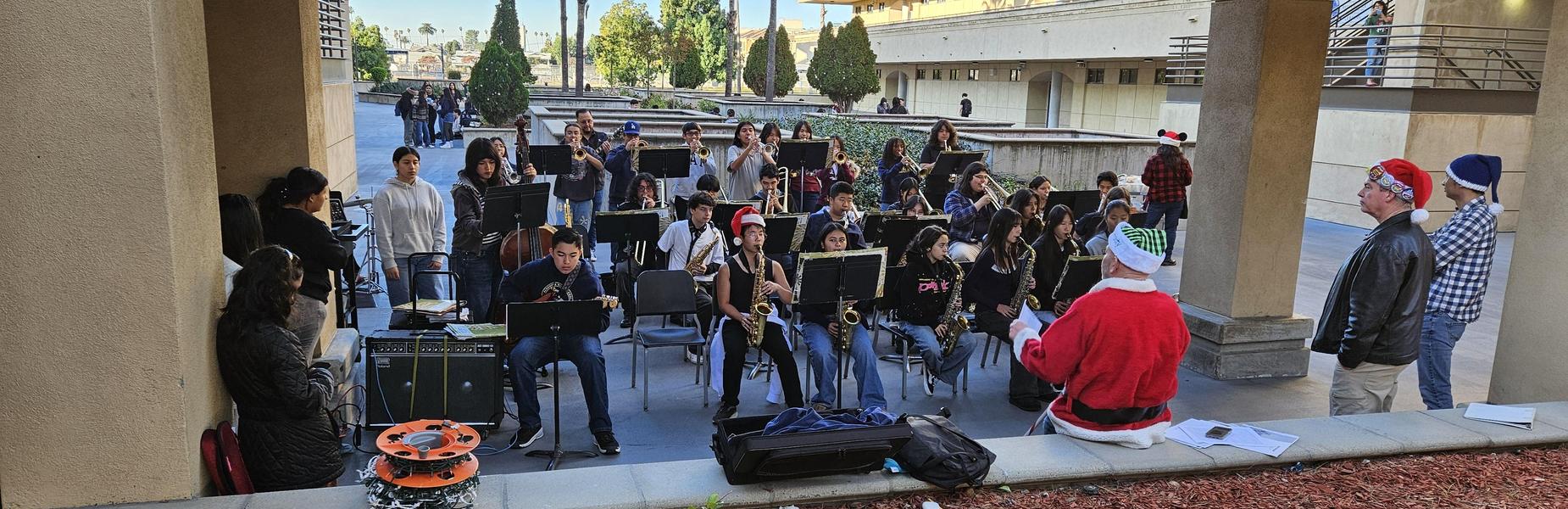
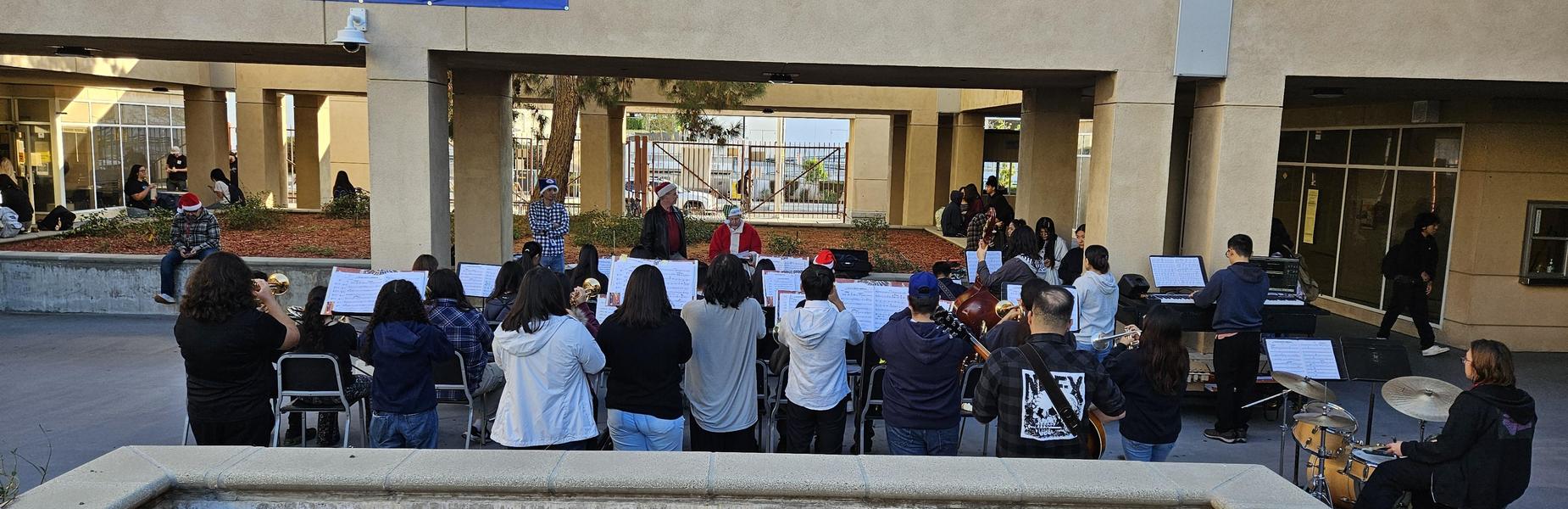
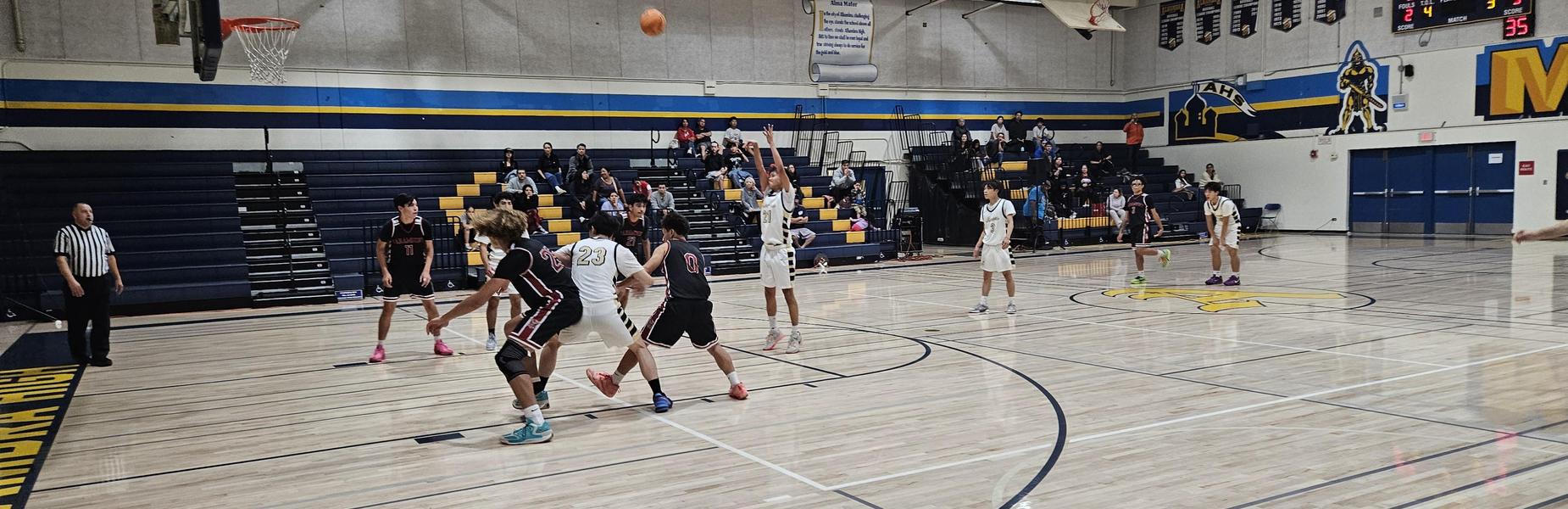
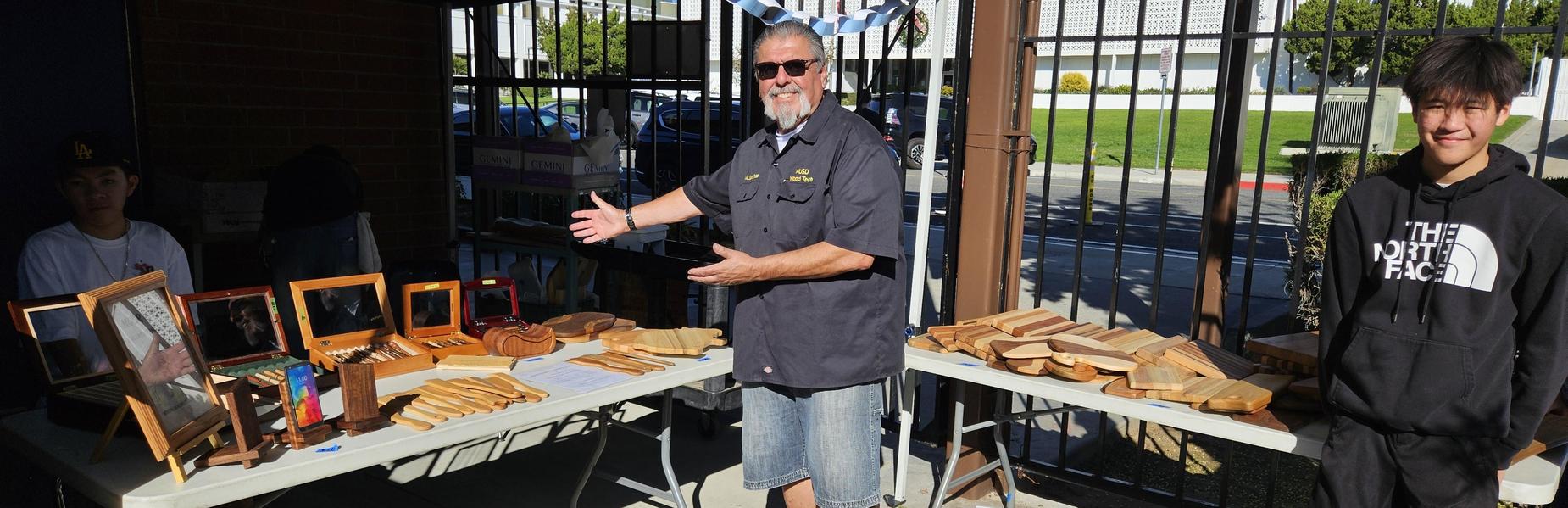
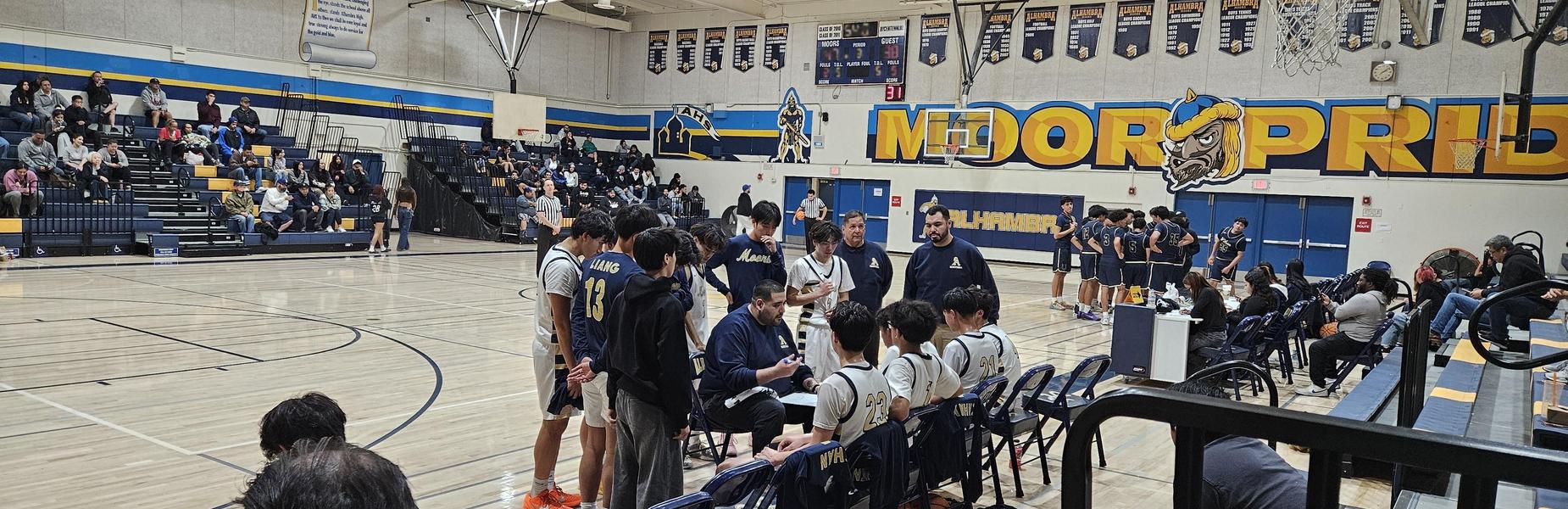
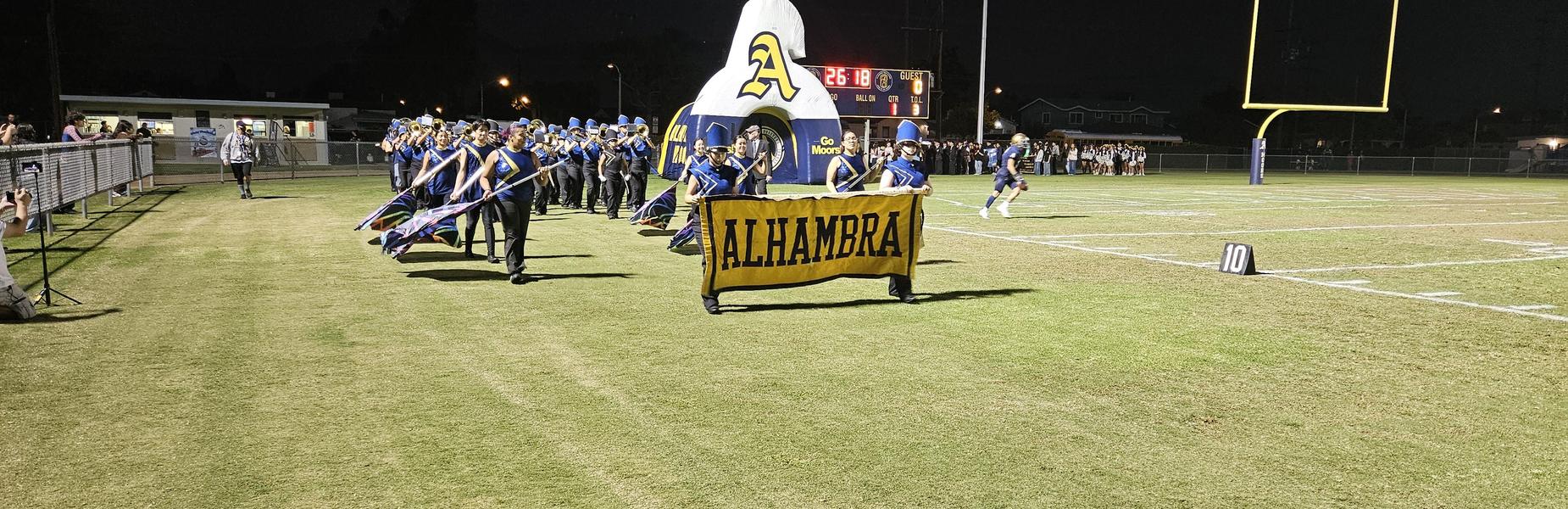
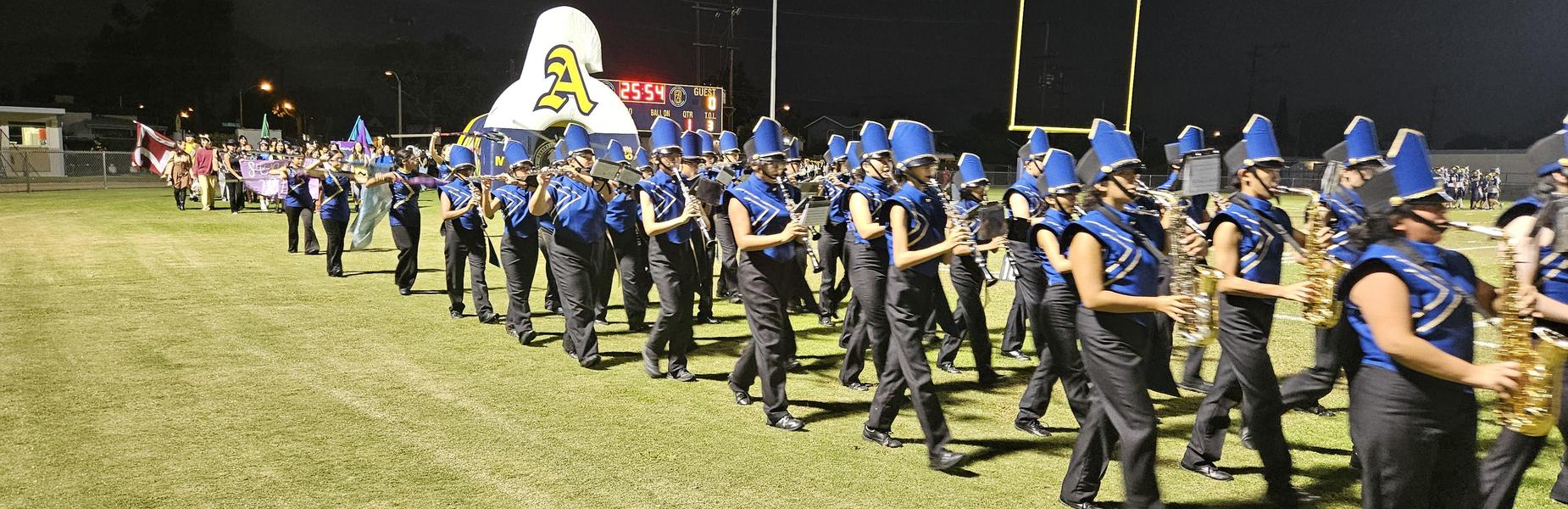
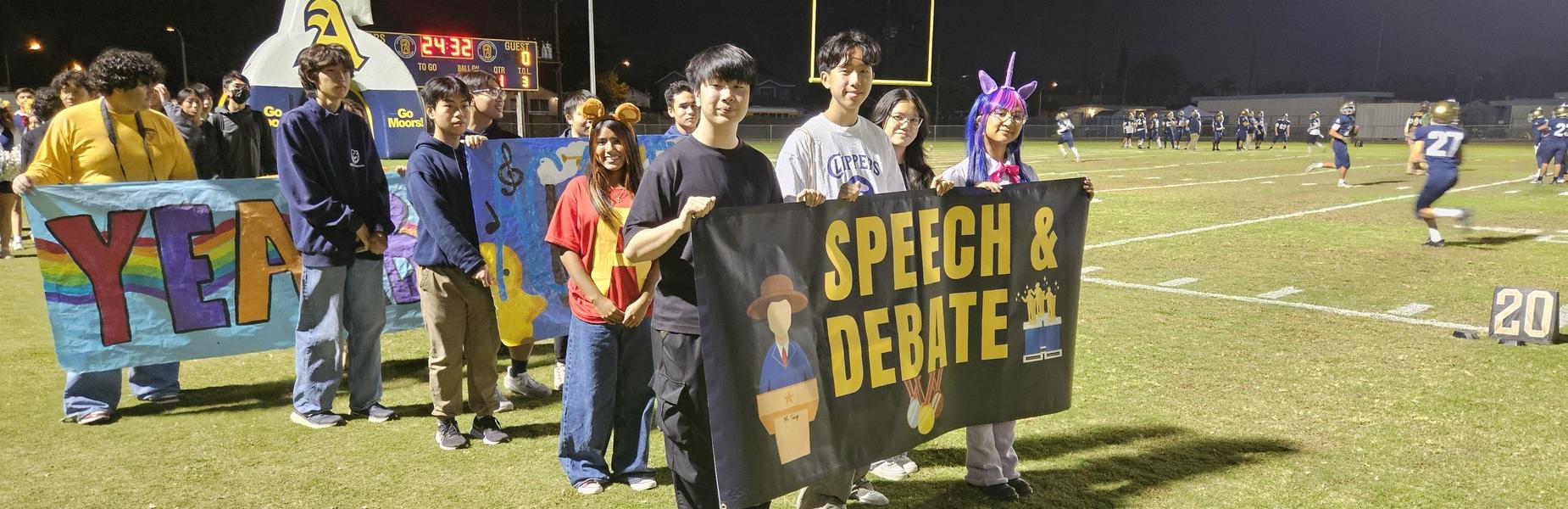
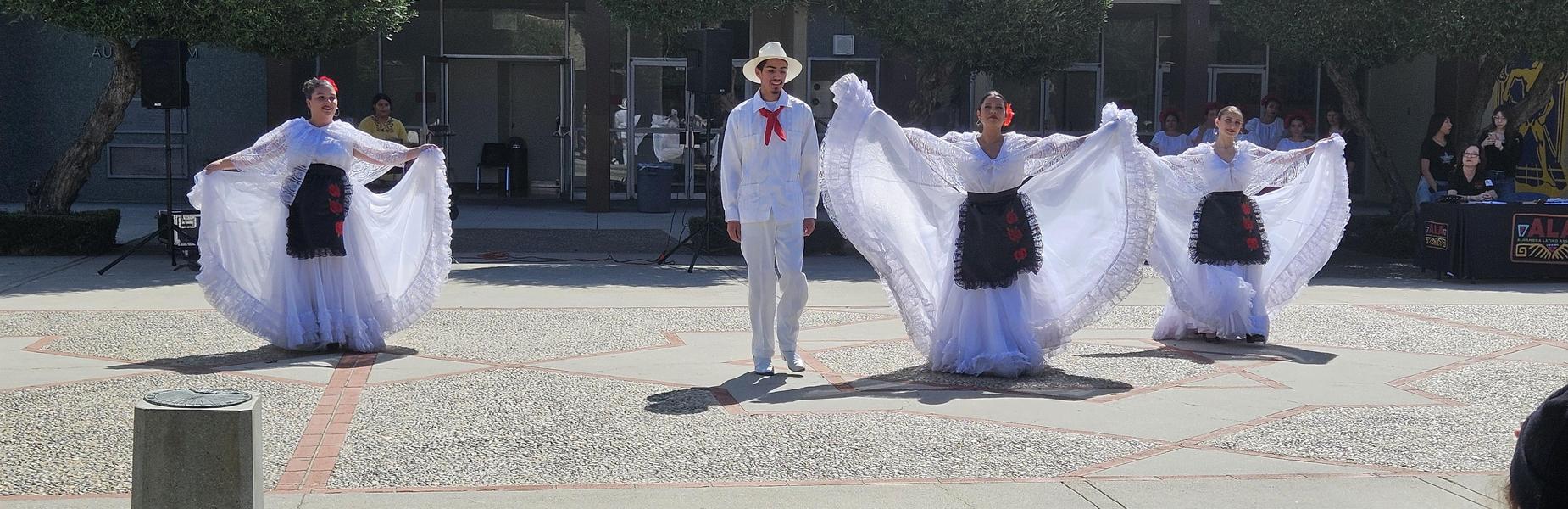
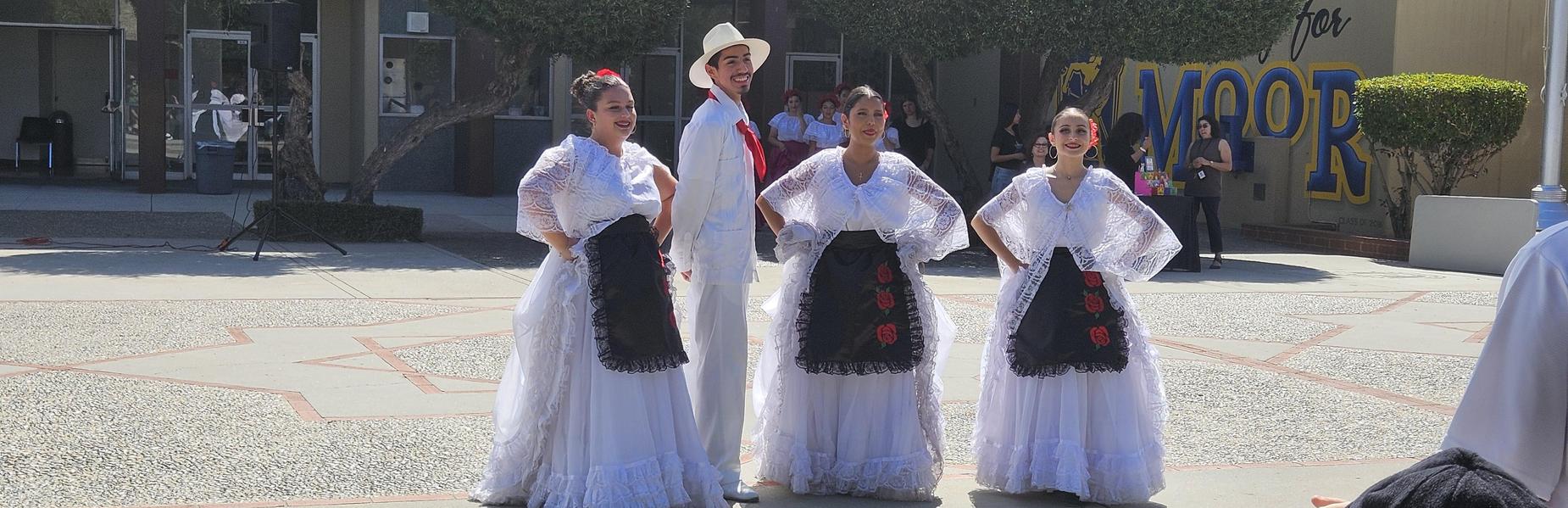
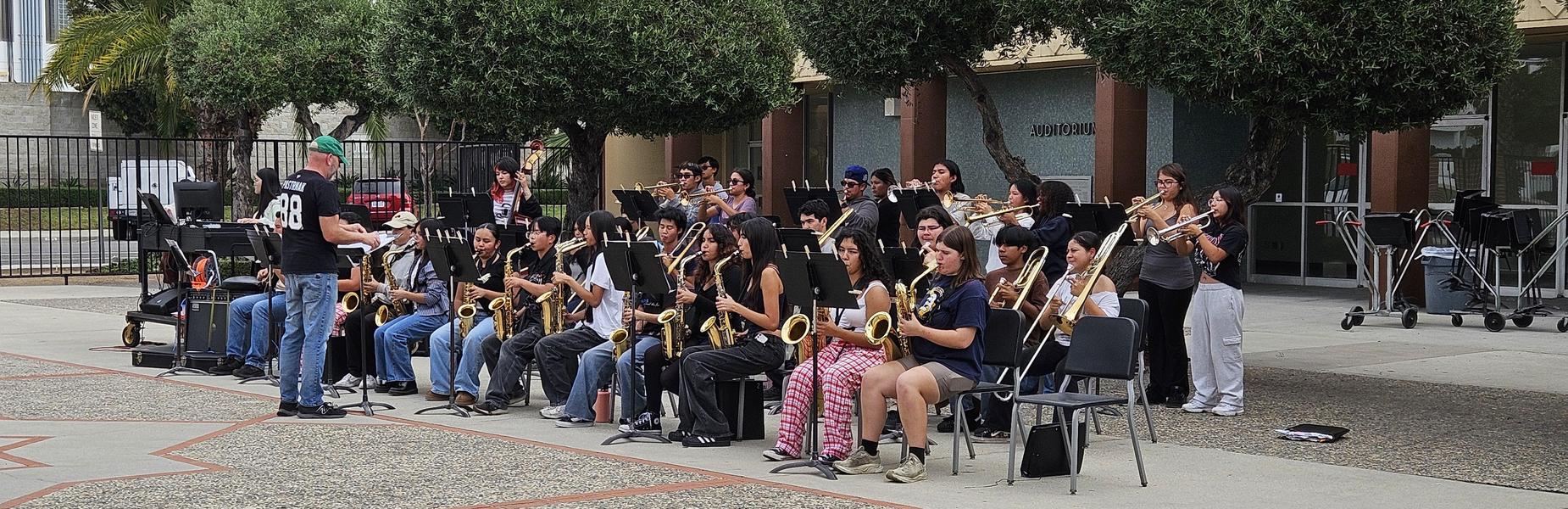
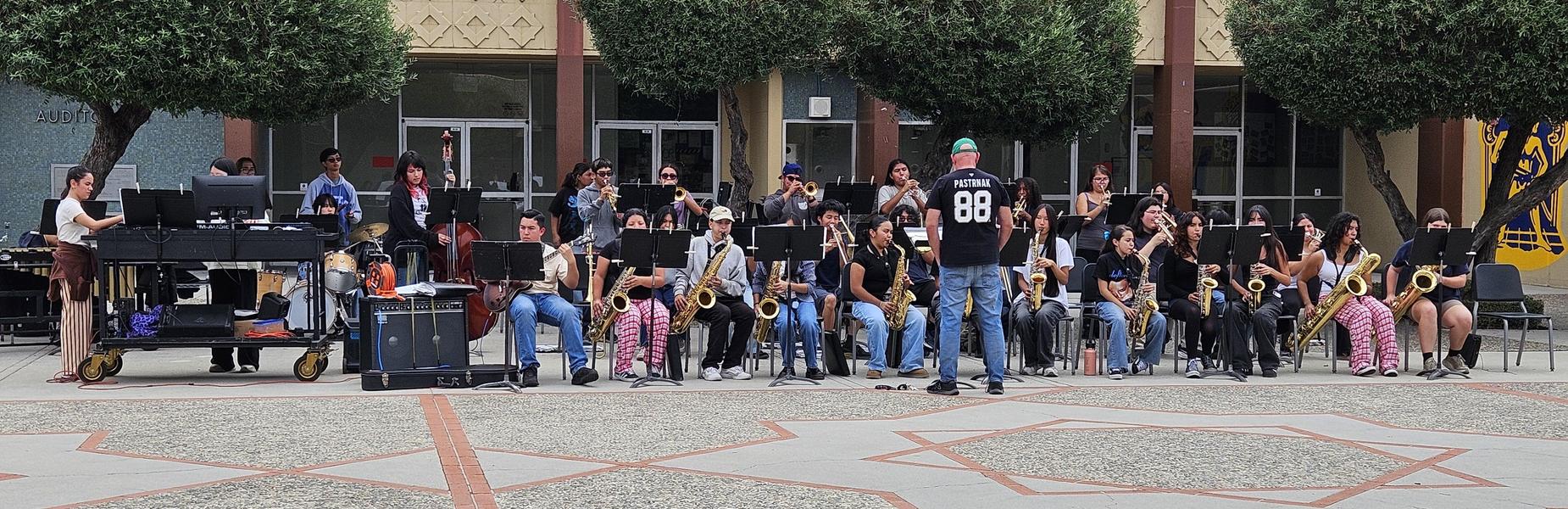
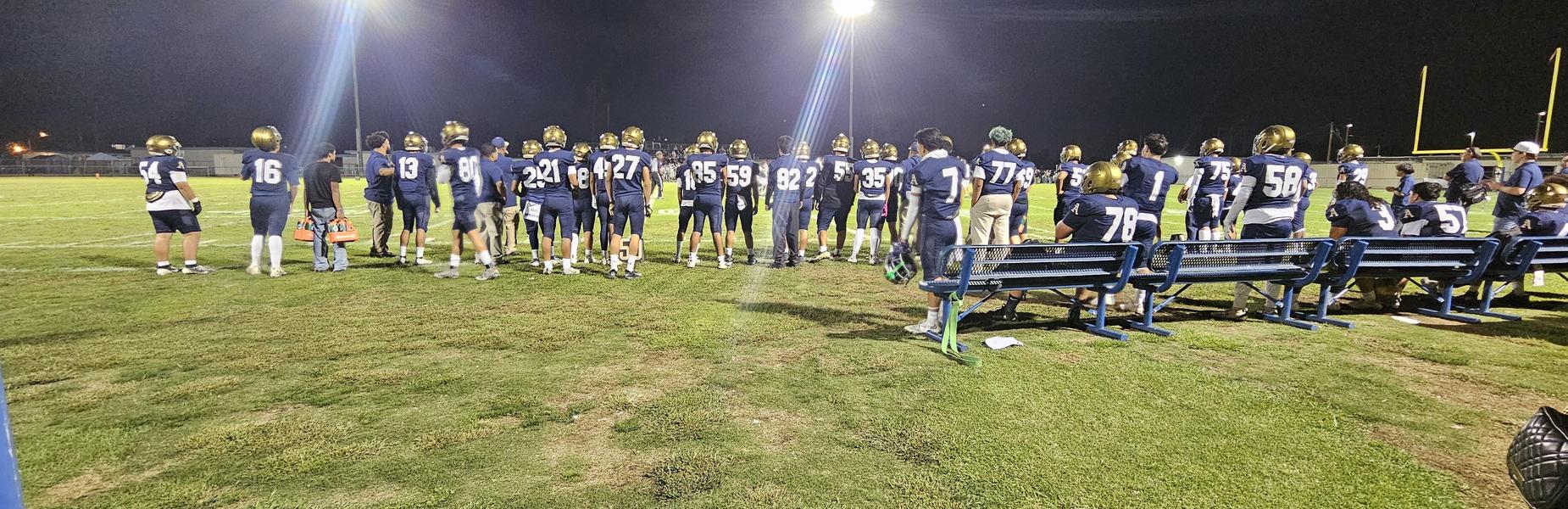
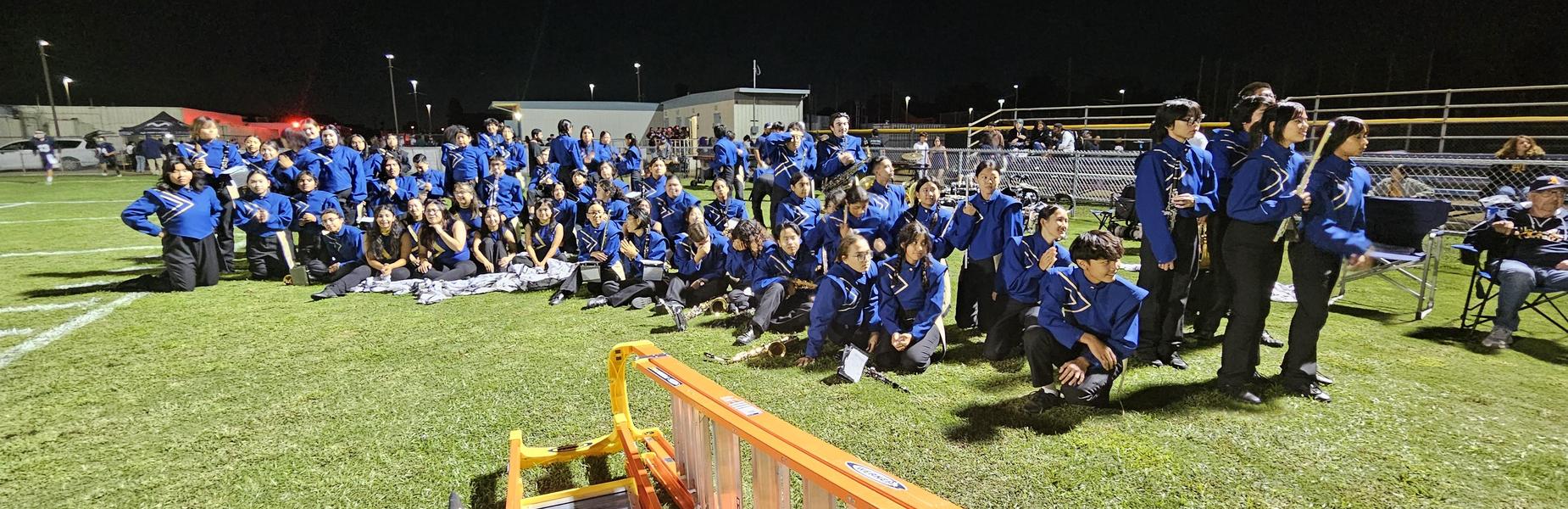
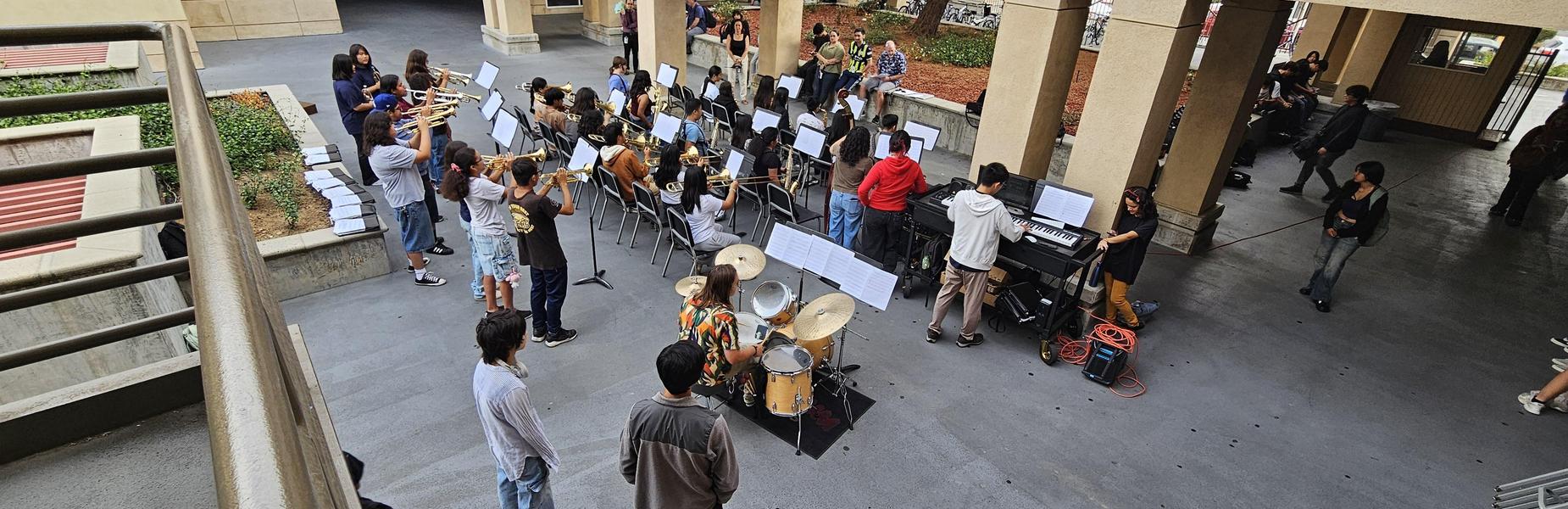
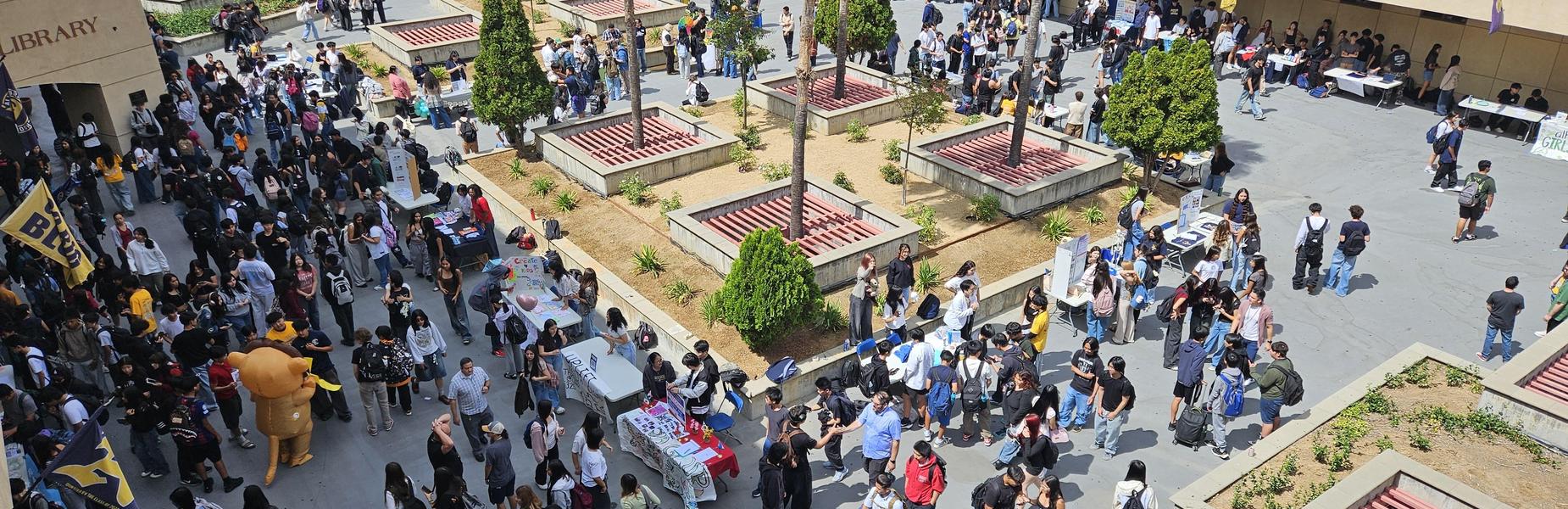
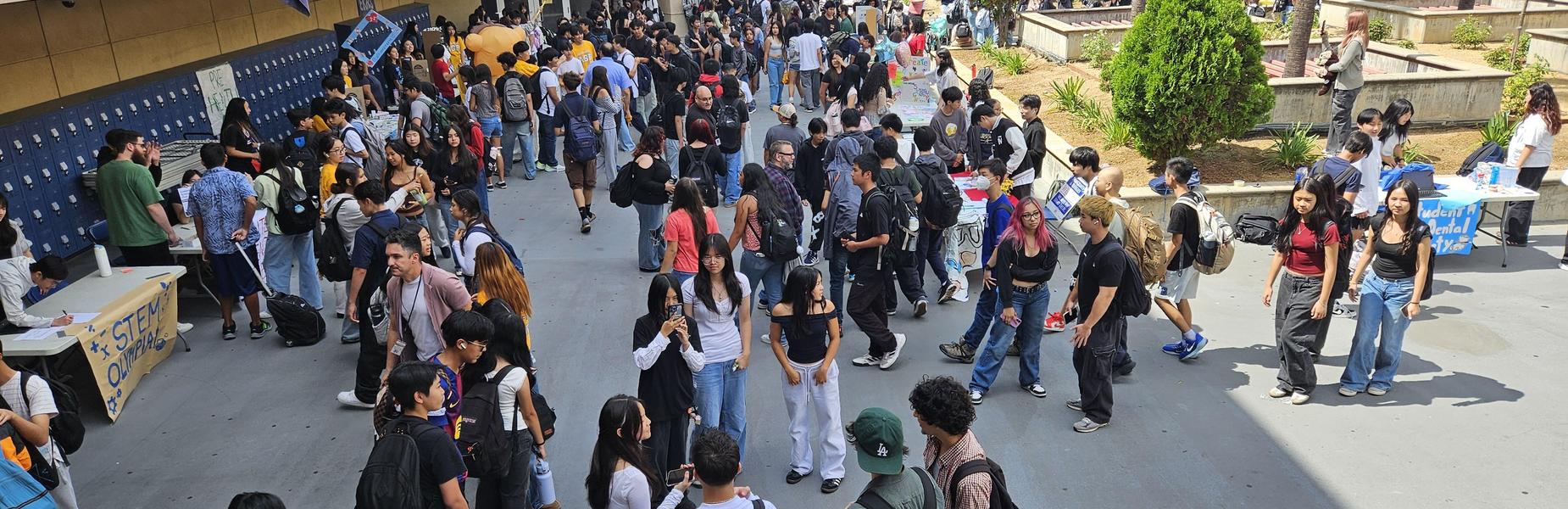
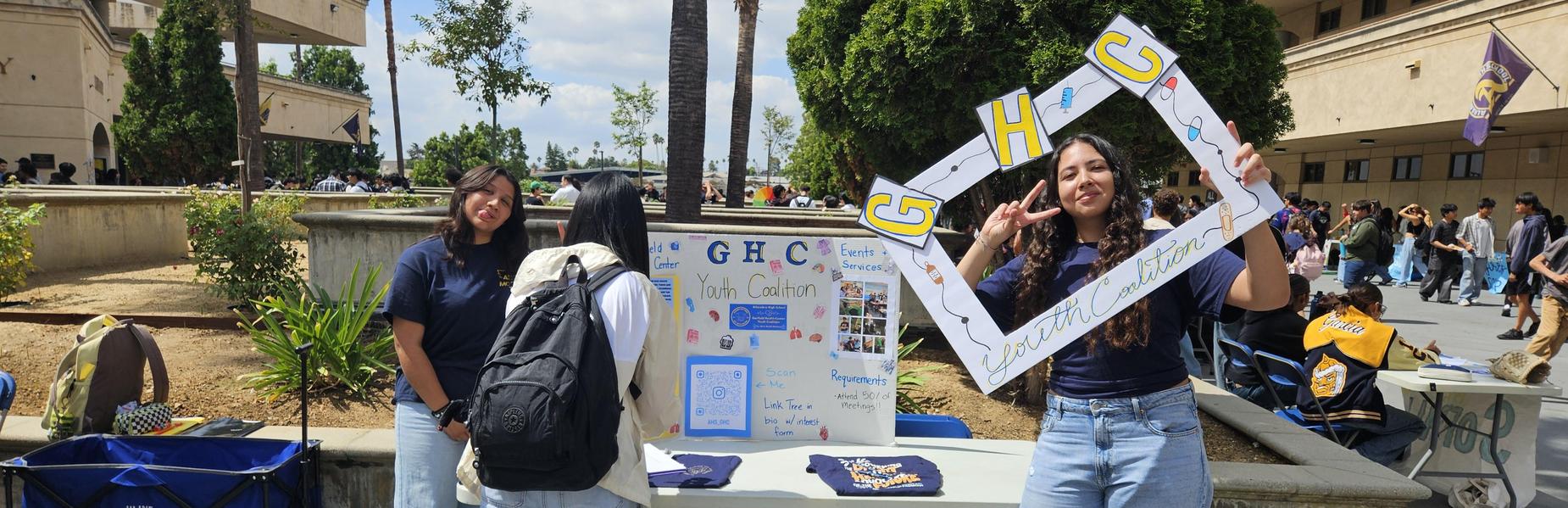
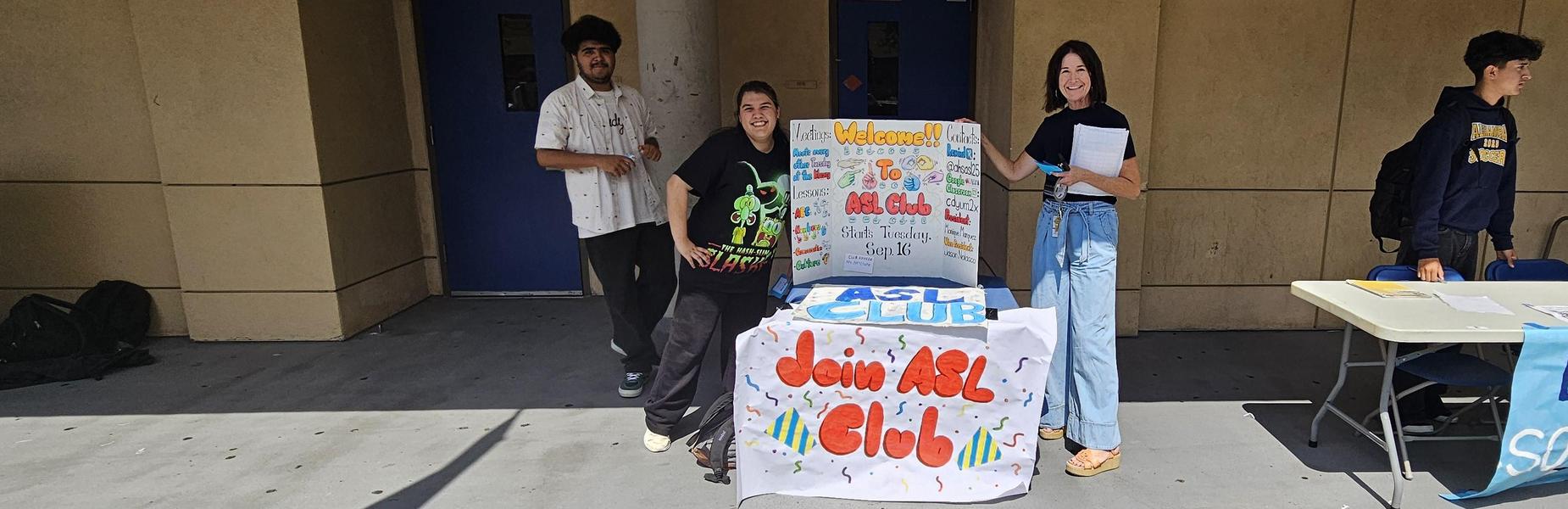
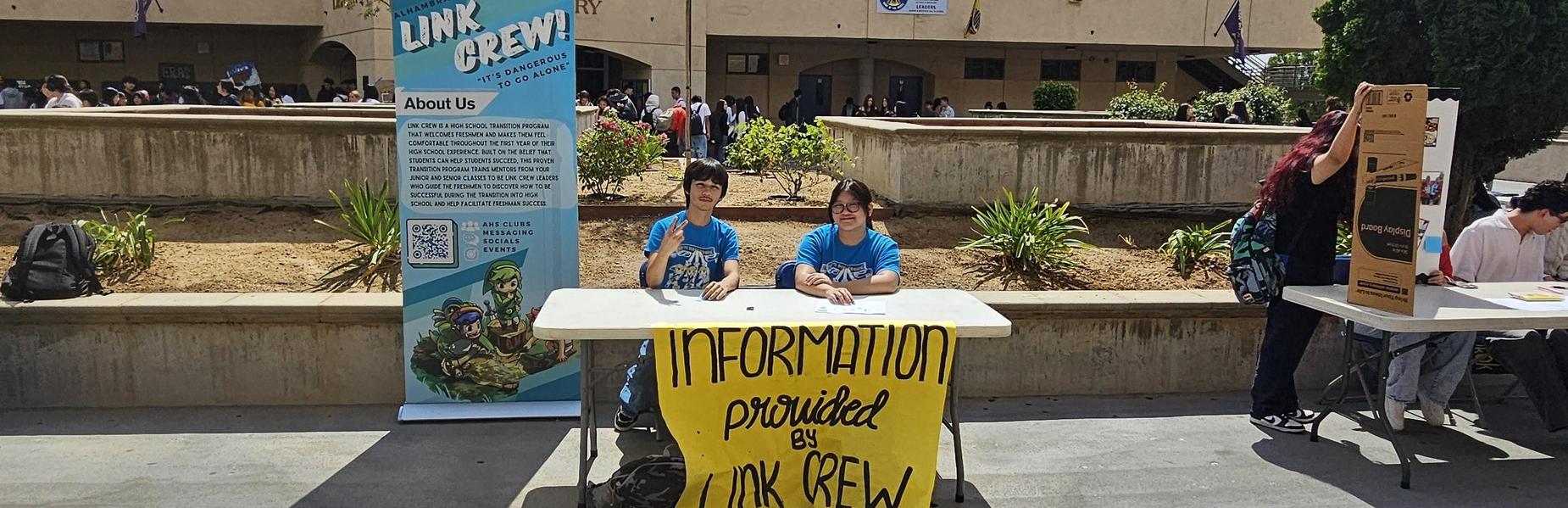
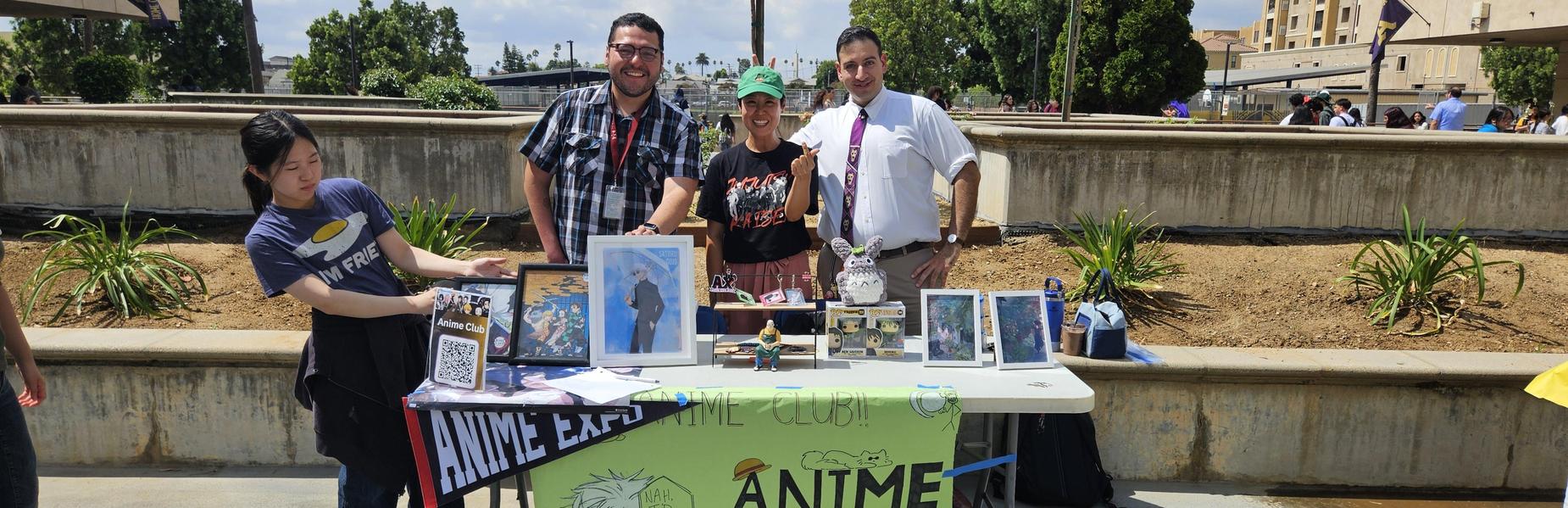
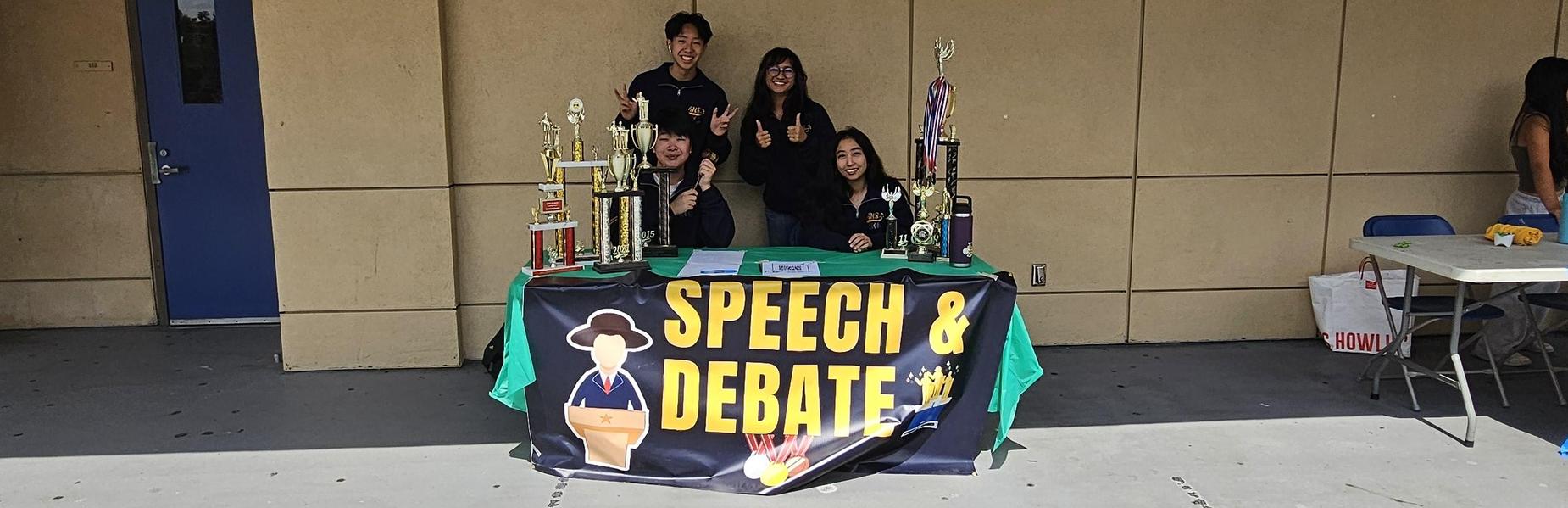
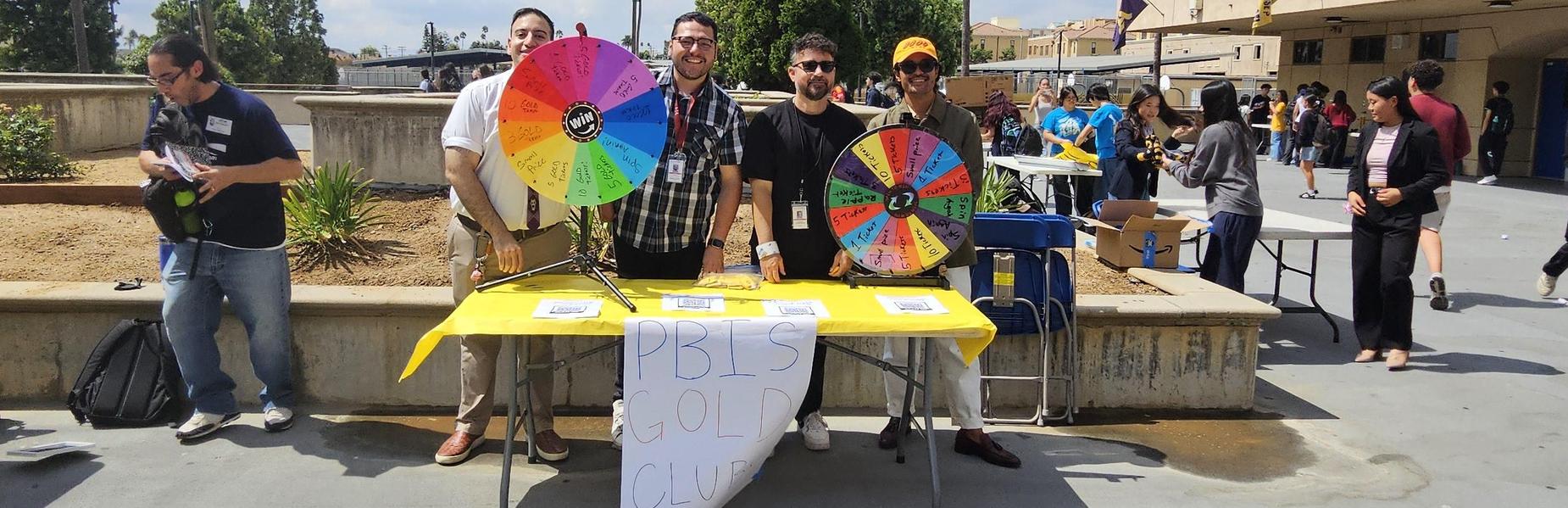
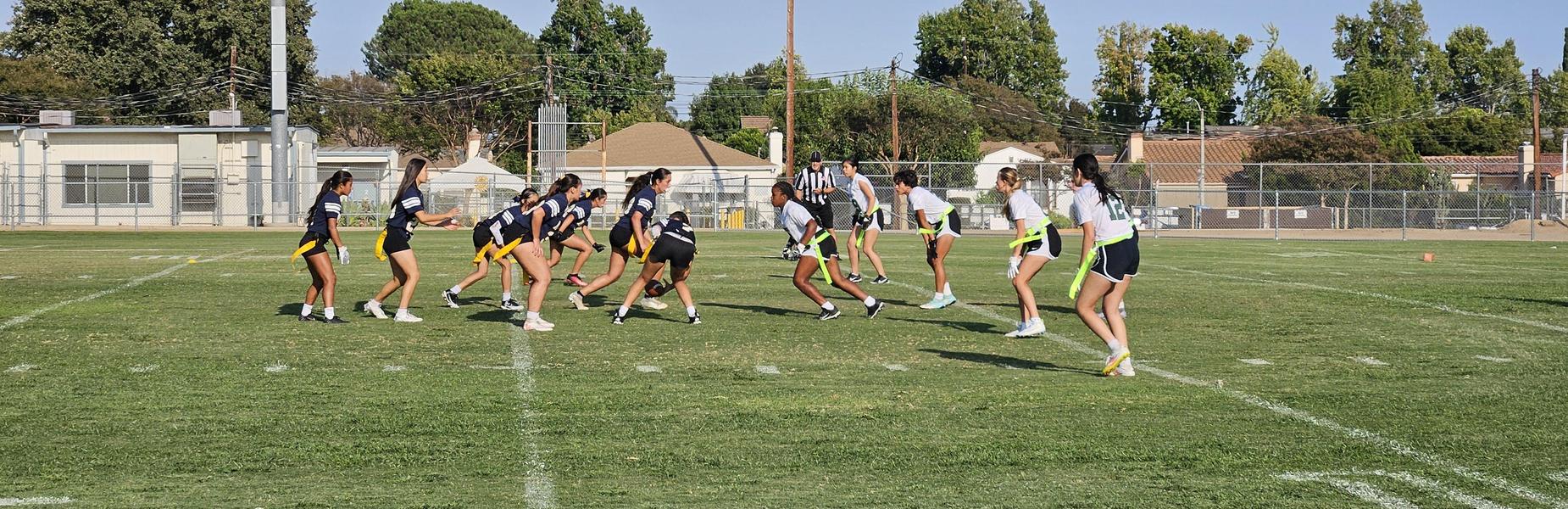
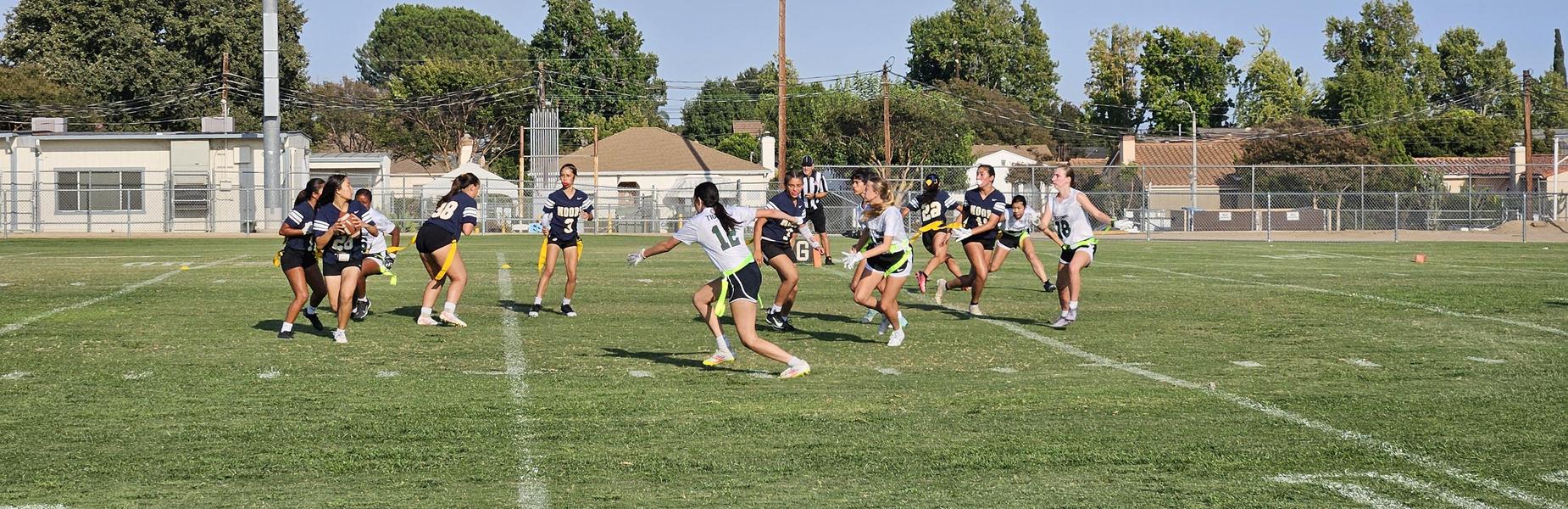
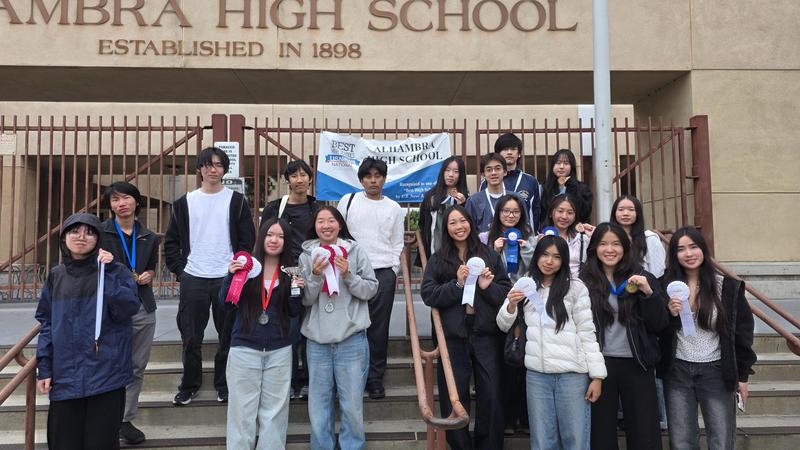
Alhambra High School has many things to be proud of beginning with our exceptional faculty and staff members.  Our outstanding student body reminds us daily why we went into the field of education. Through the many quality programs we offer at Alhambra High School such as; Academic Decathlon, Honors and Advanced Placement courses, Visual and Performing Art opportunities such as our award winning Mighty Moors Marching Band, ceramics, drawing and painting, dance teams and many quality athletic programs and clubs, our students are encouraged to achieve their goals. Our Nationally ranked Speech and Debate team consistently performs at high levels as they compete against other schools. For students learning English we have a fine English Language Development department that works tirelessly to ensure that these students receive a strong foundation in English. In addition, our Career and Technical Education program has many fine opportunities such as the Green Construction Academy, Business Education, Consumer Family Living and Industrial Technology classes in addition to Regional Occupational Program classes that help students reinforce academics as well as gaining valuable job skills.

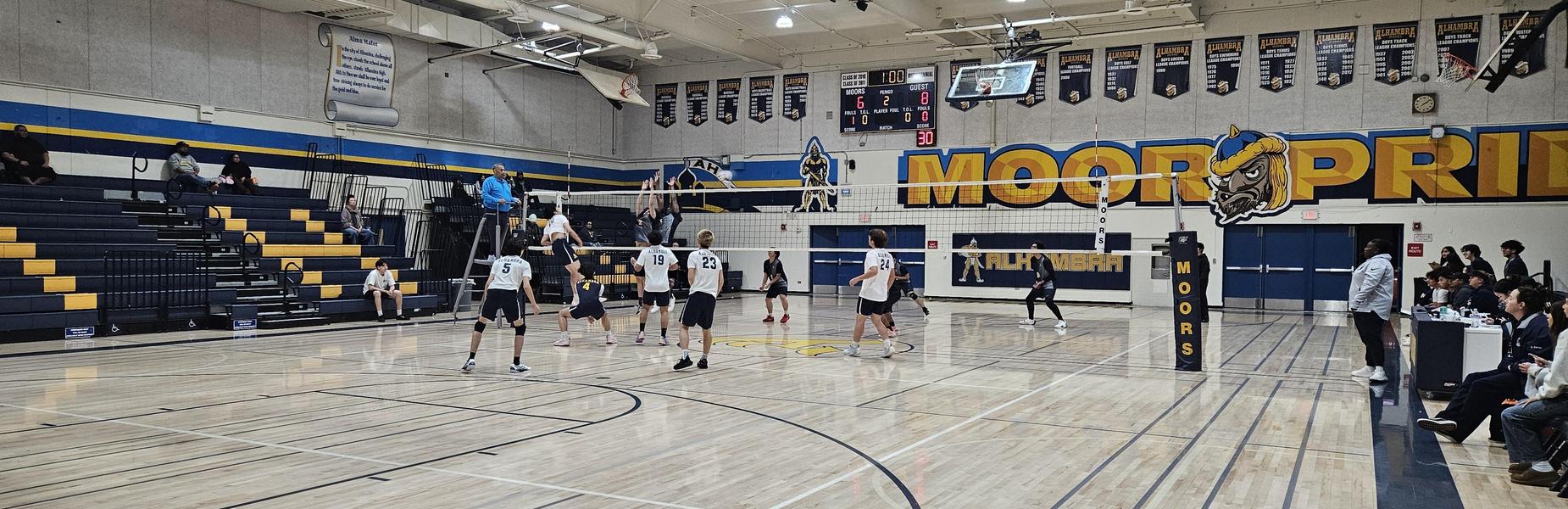
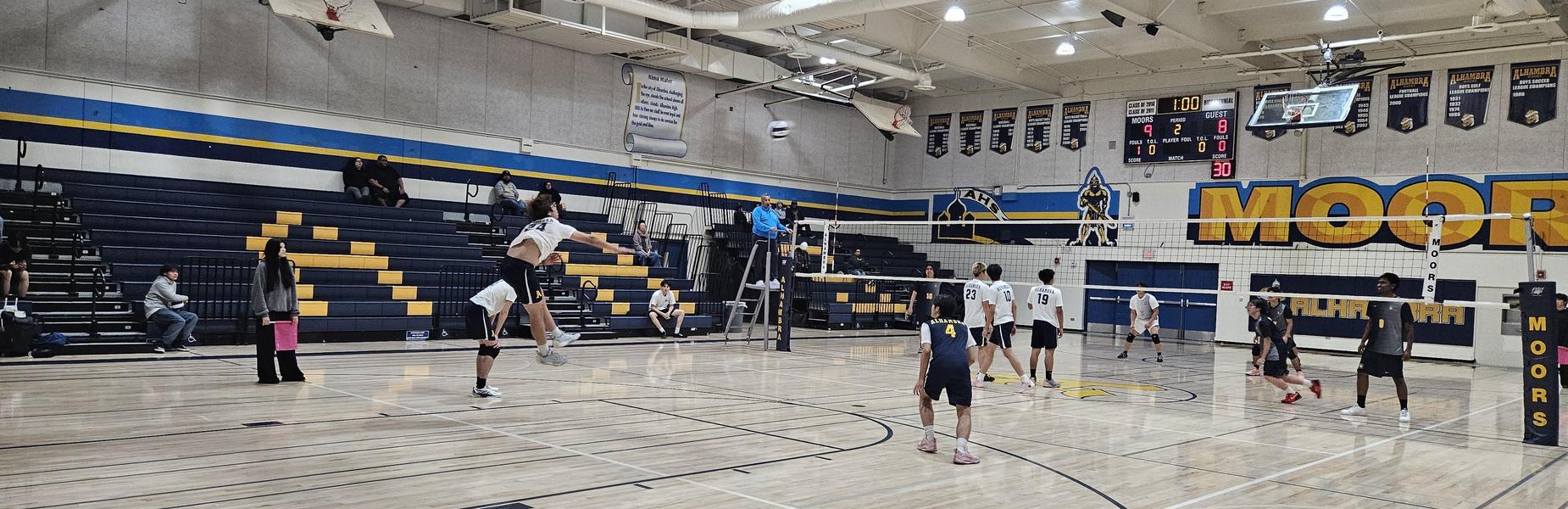
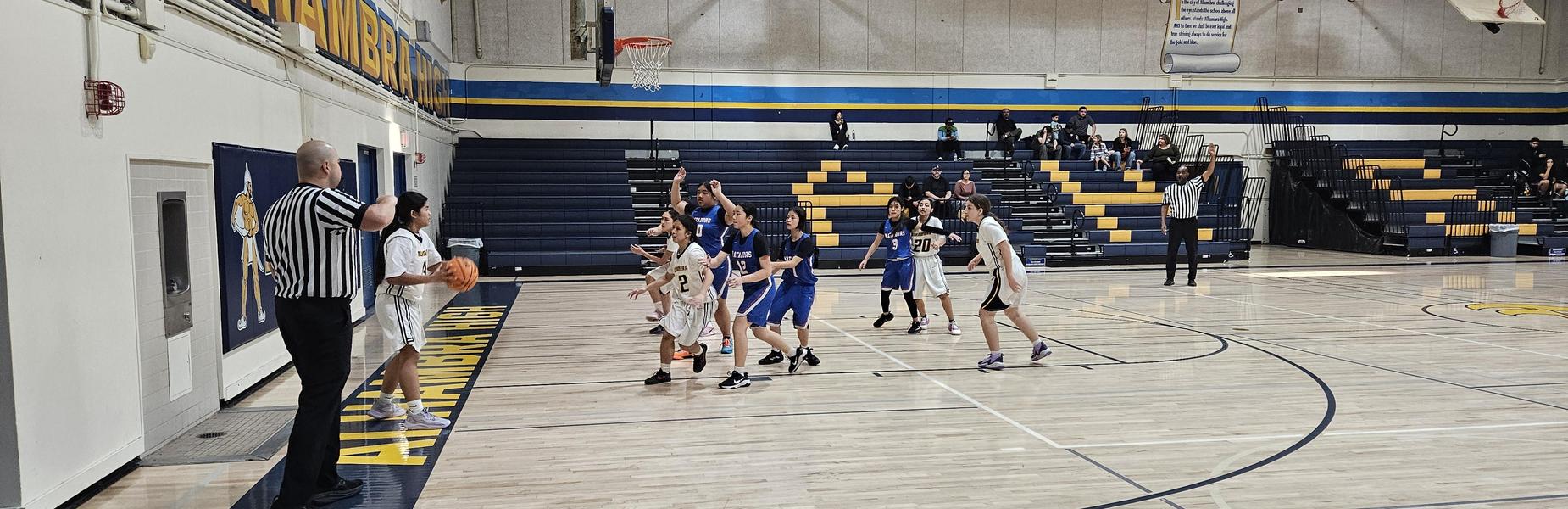
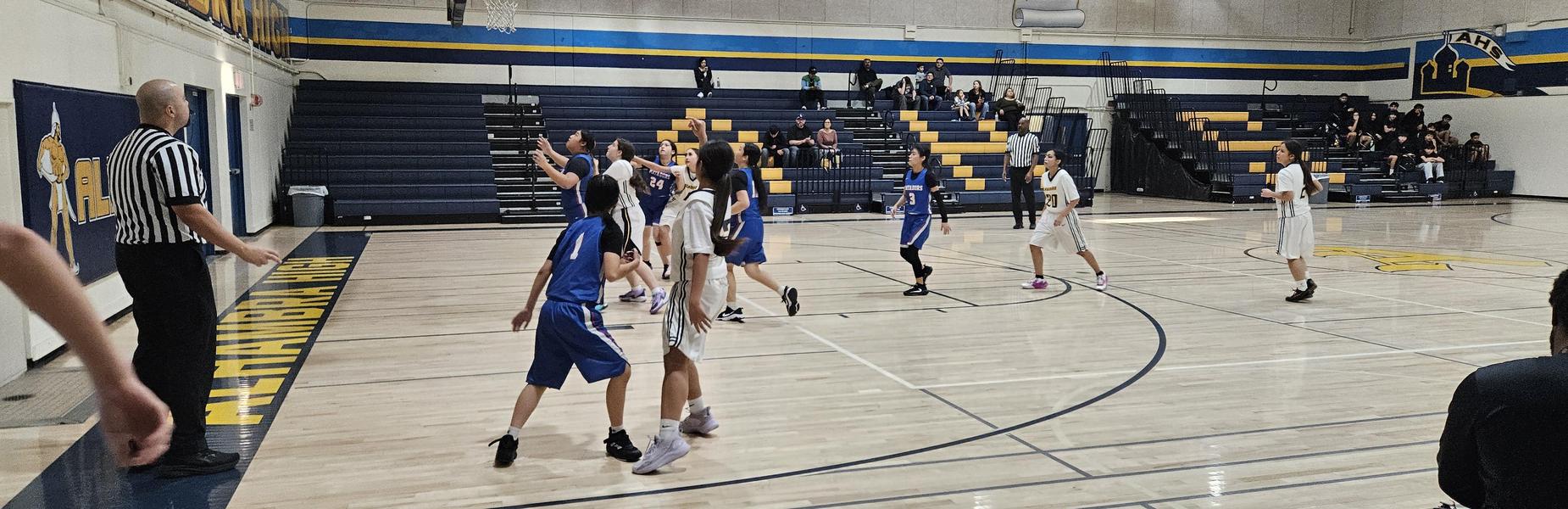
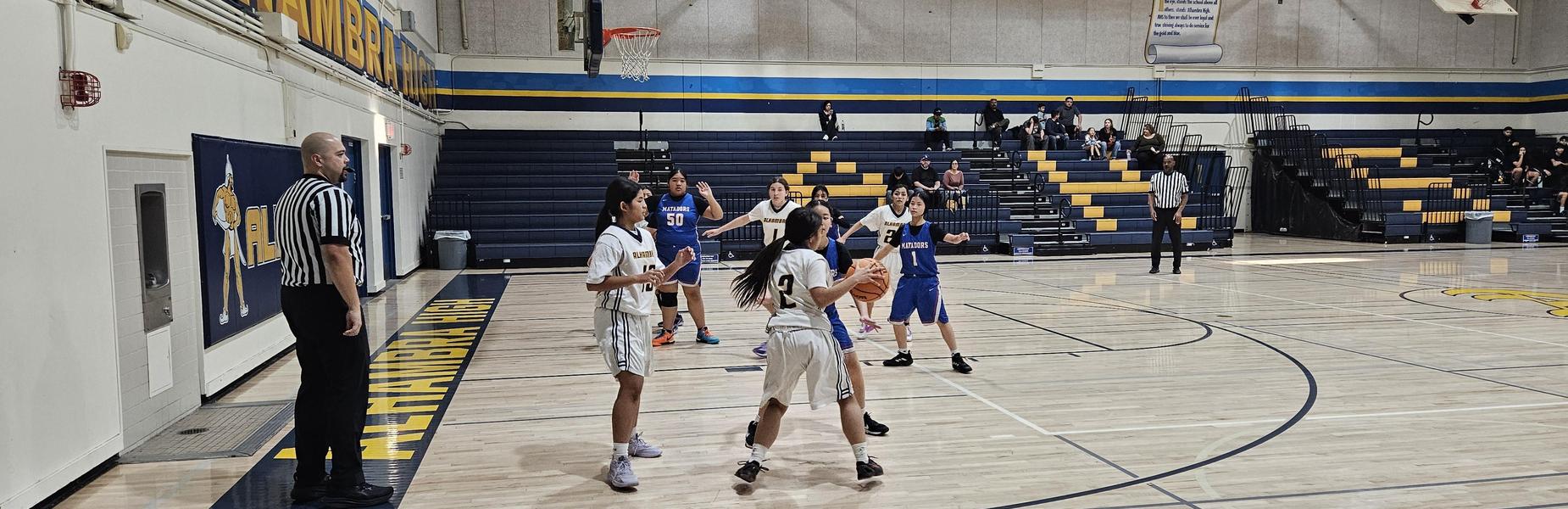
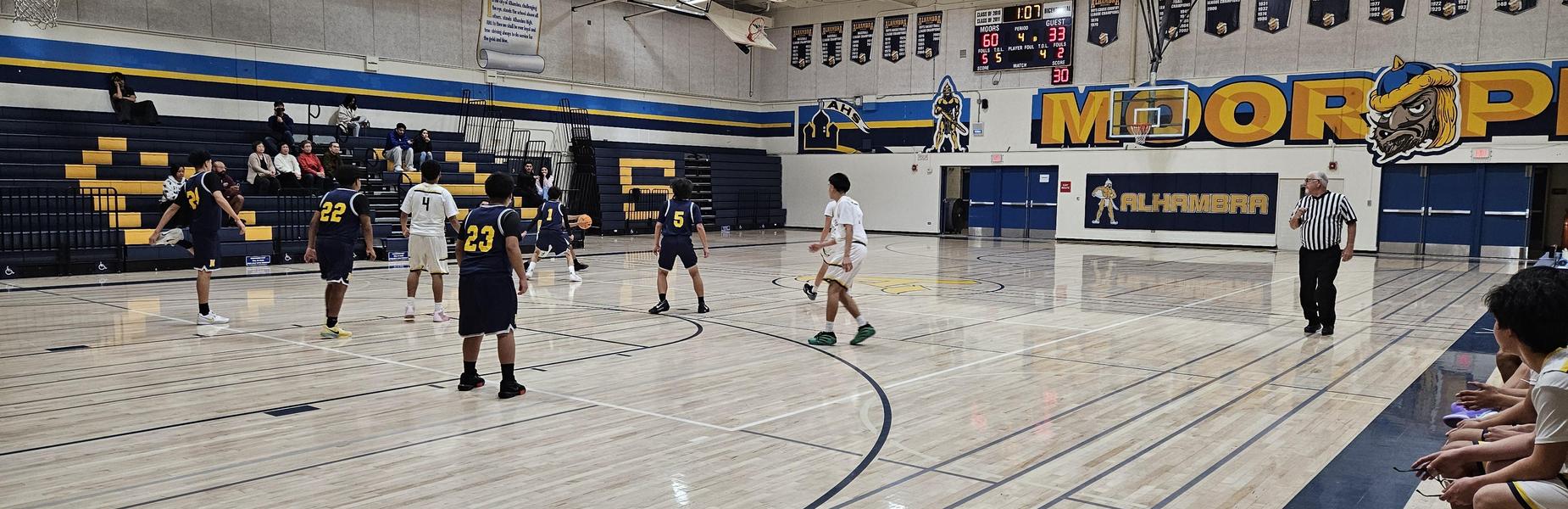
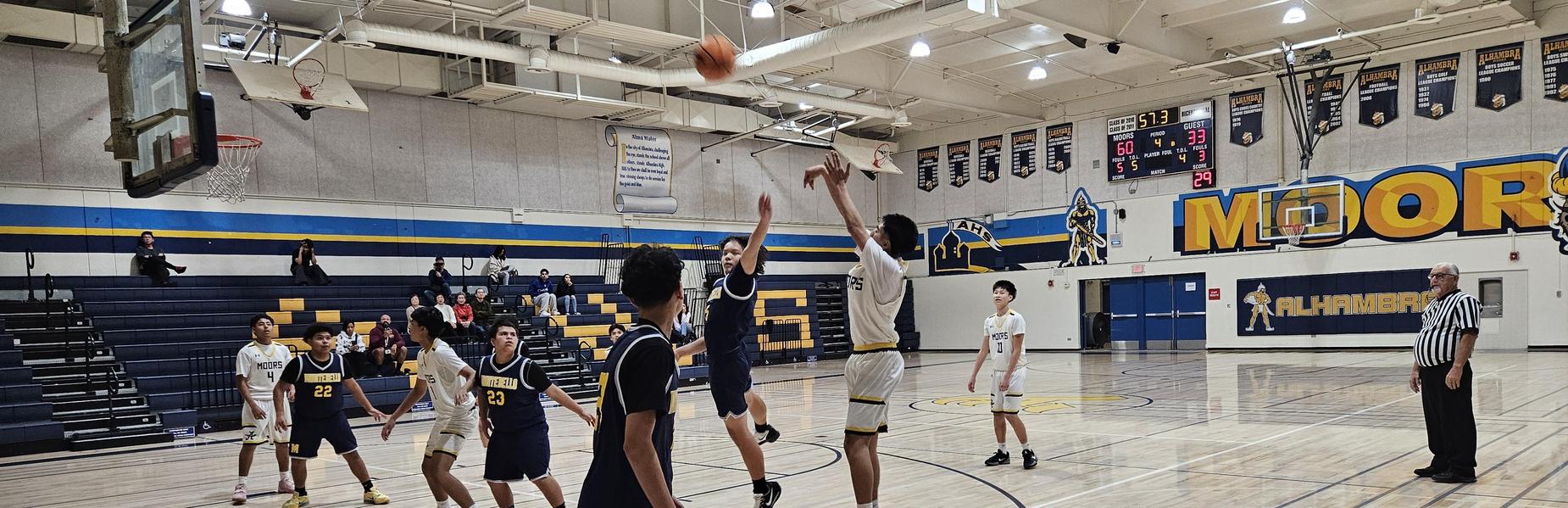
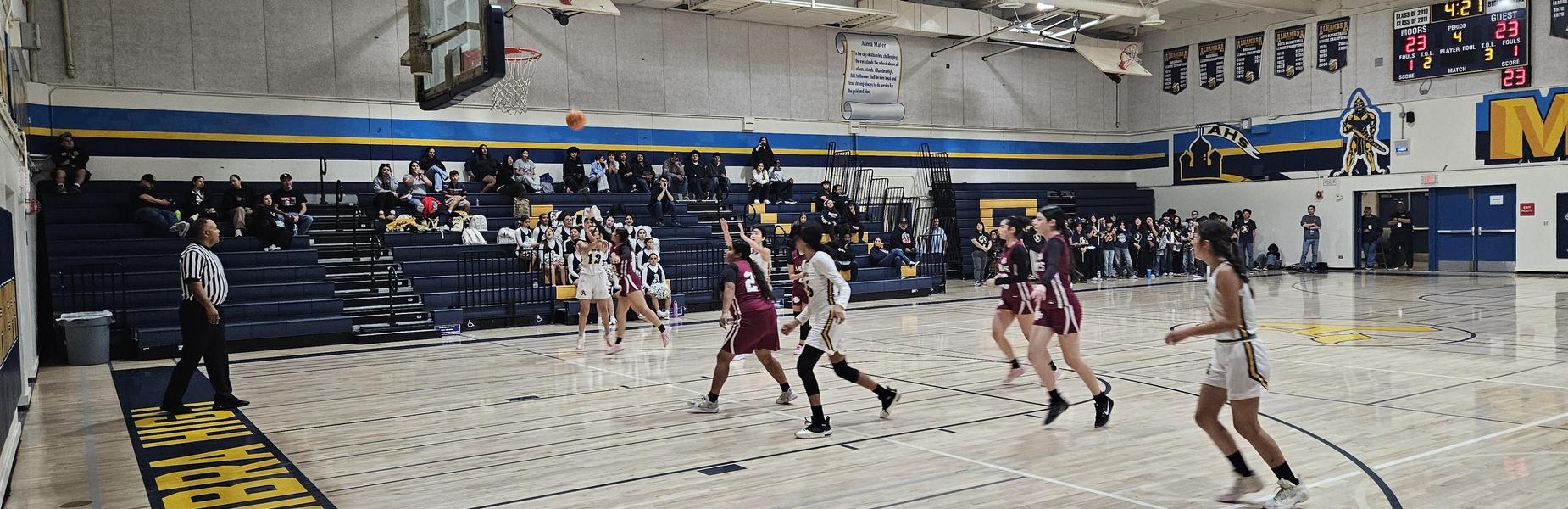
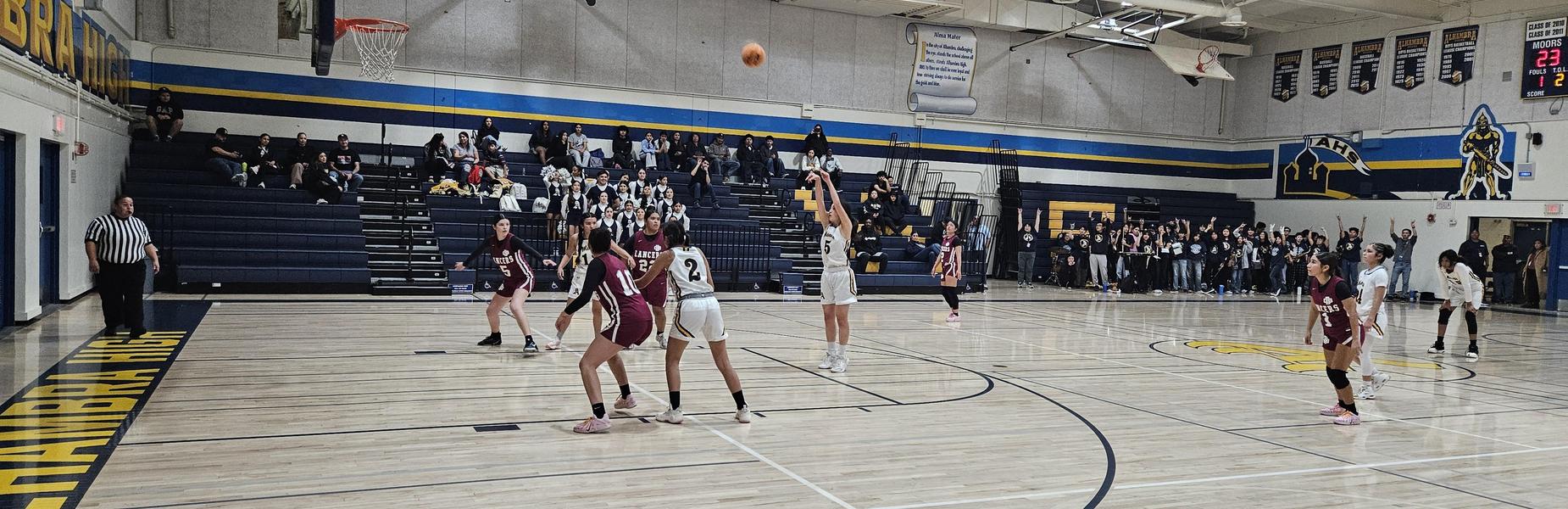
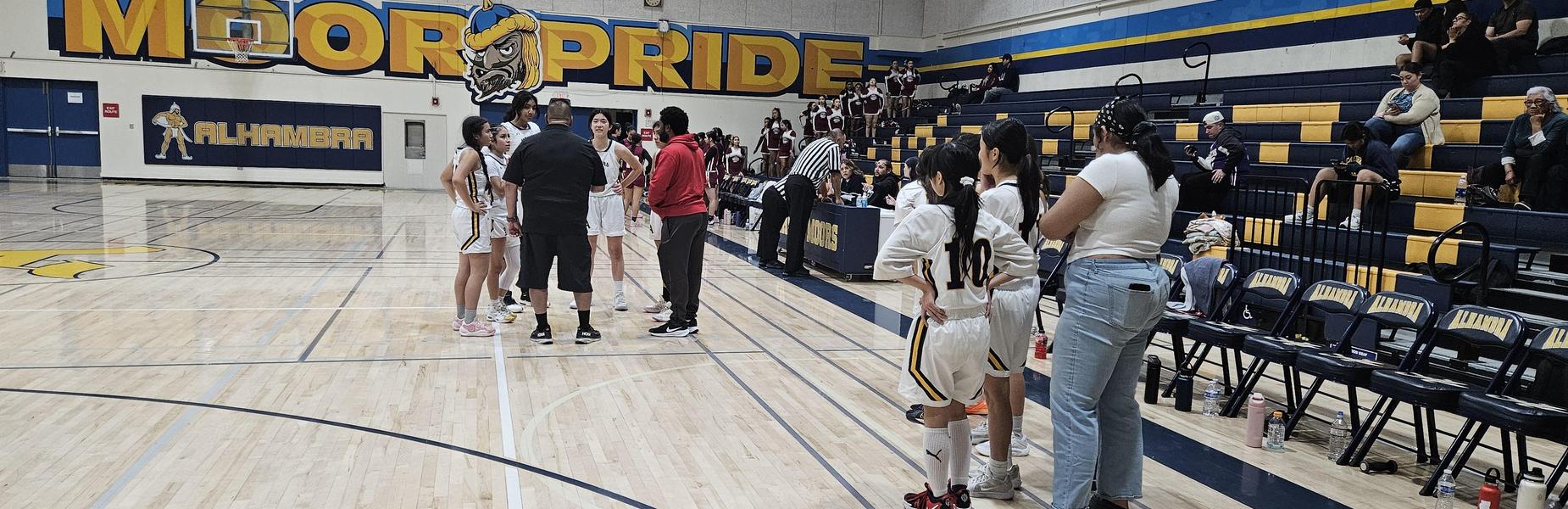
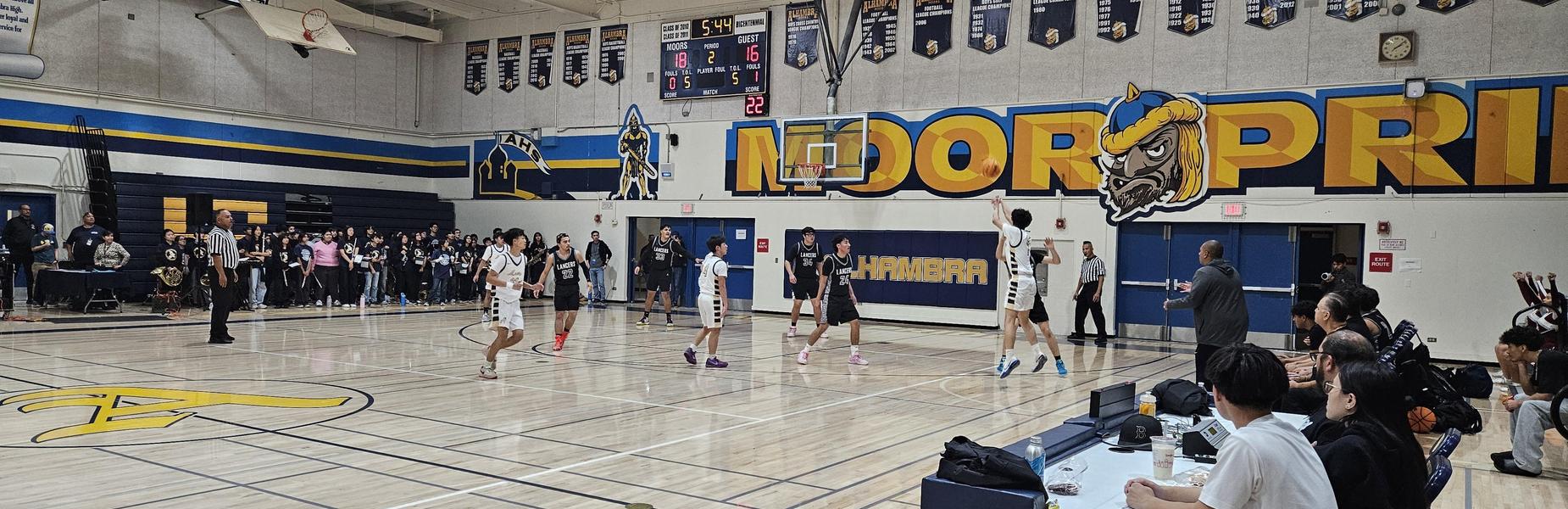
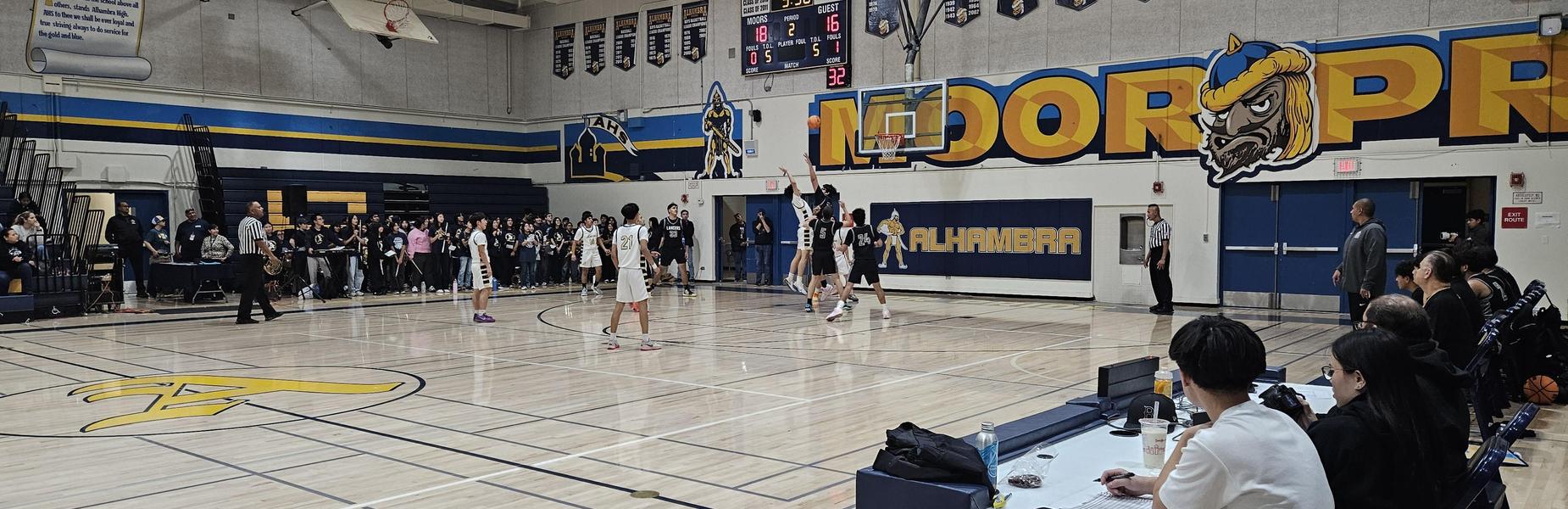
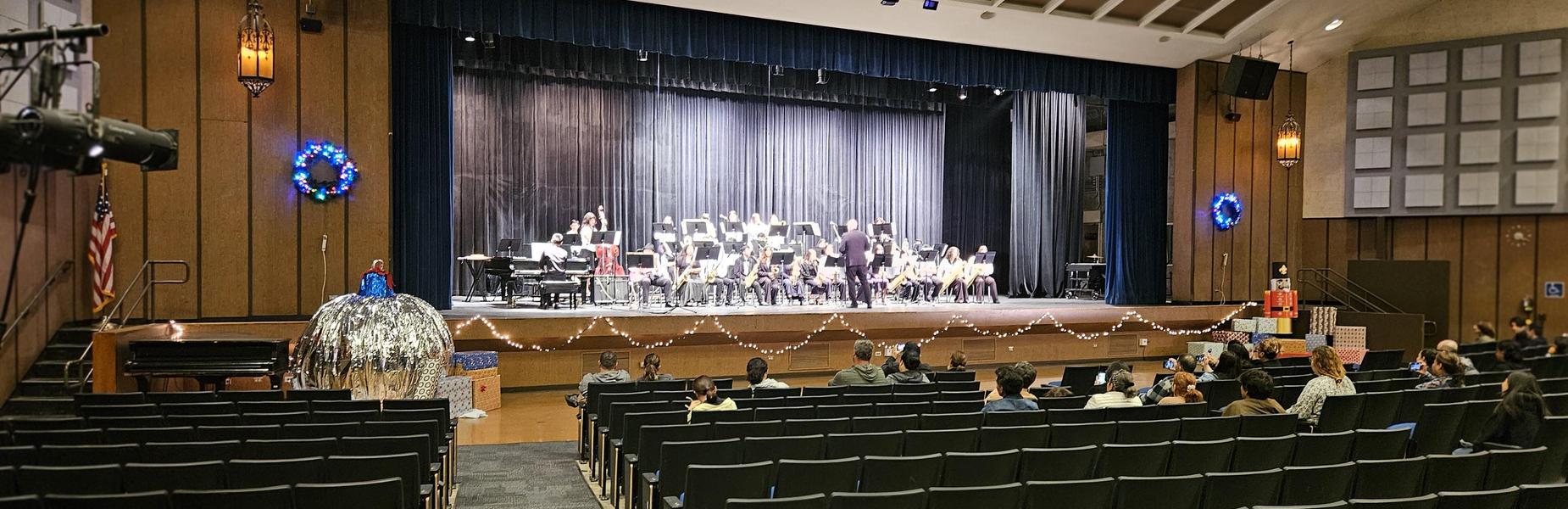
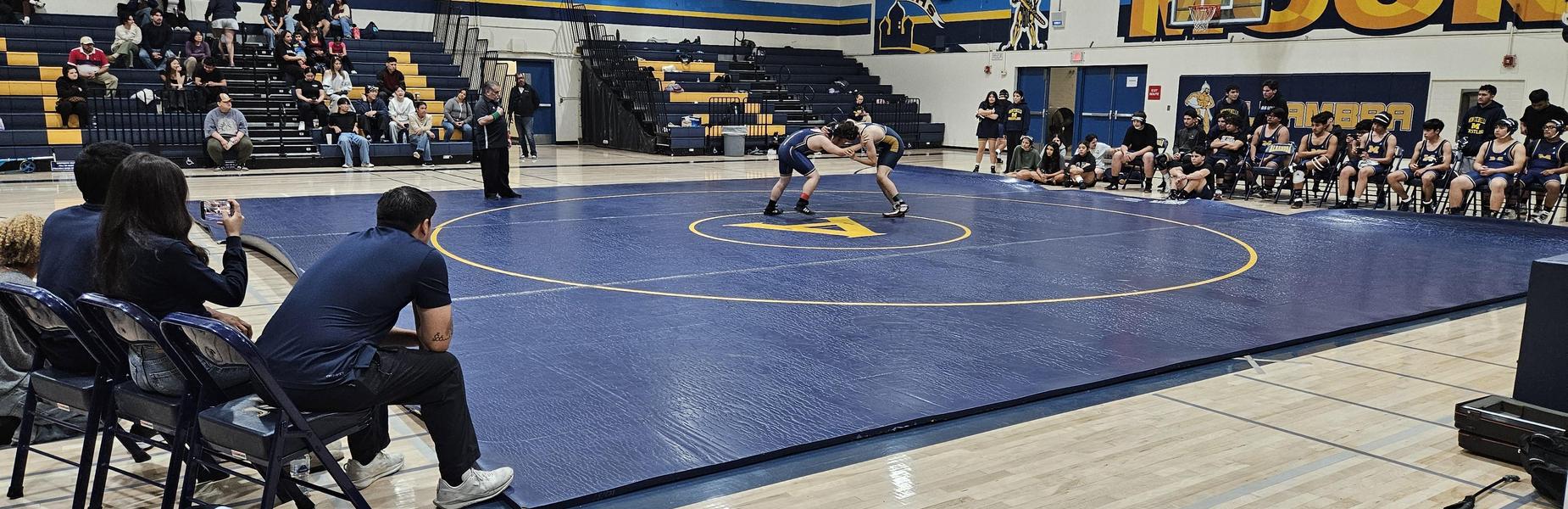
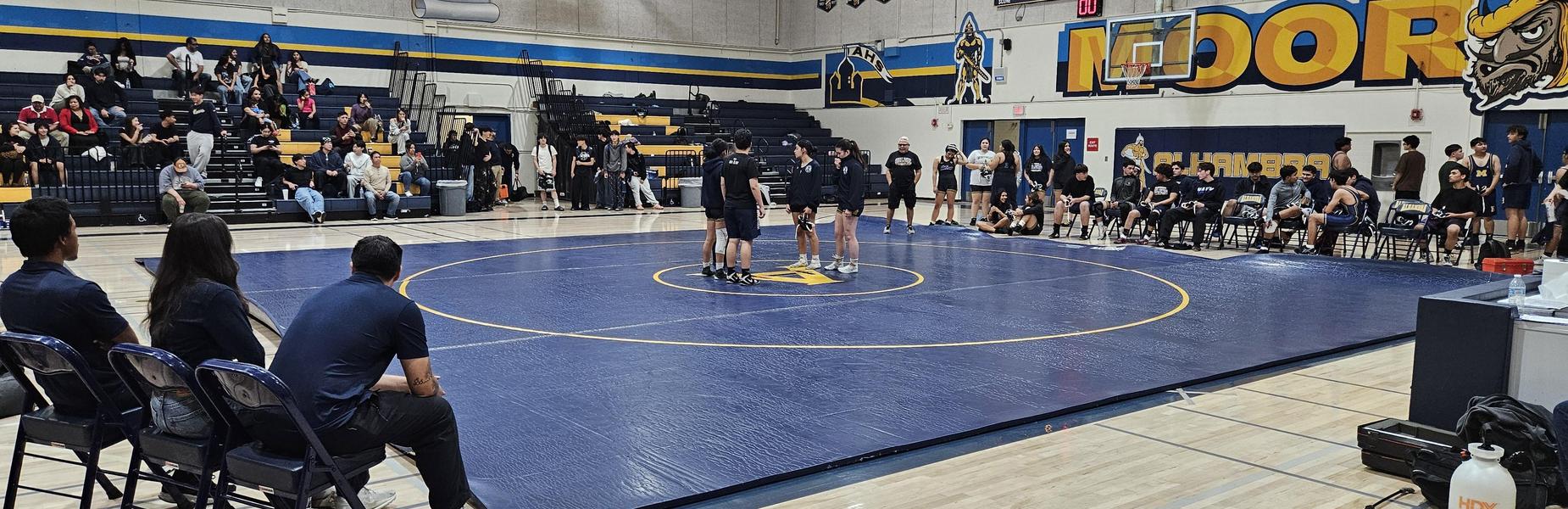
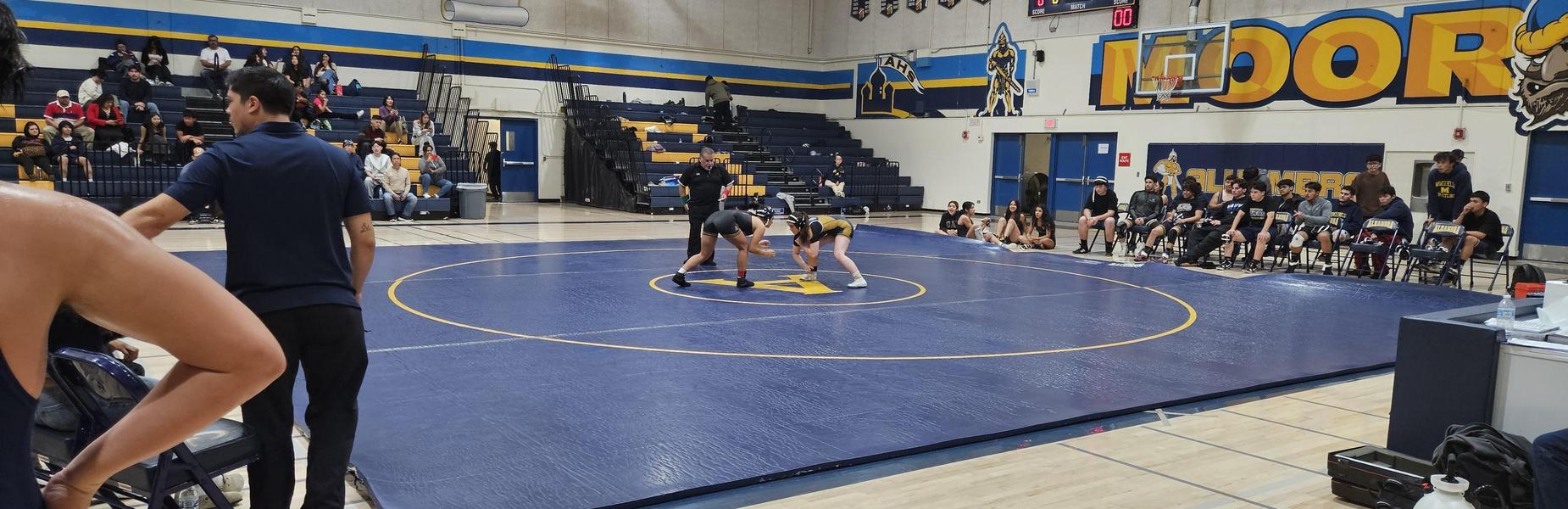
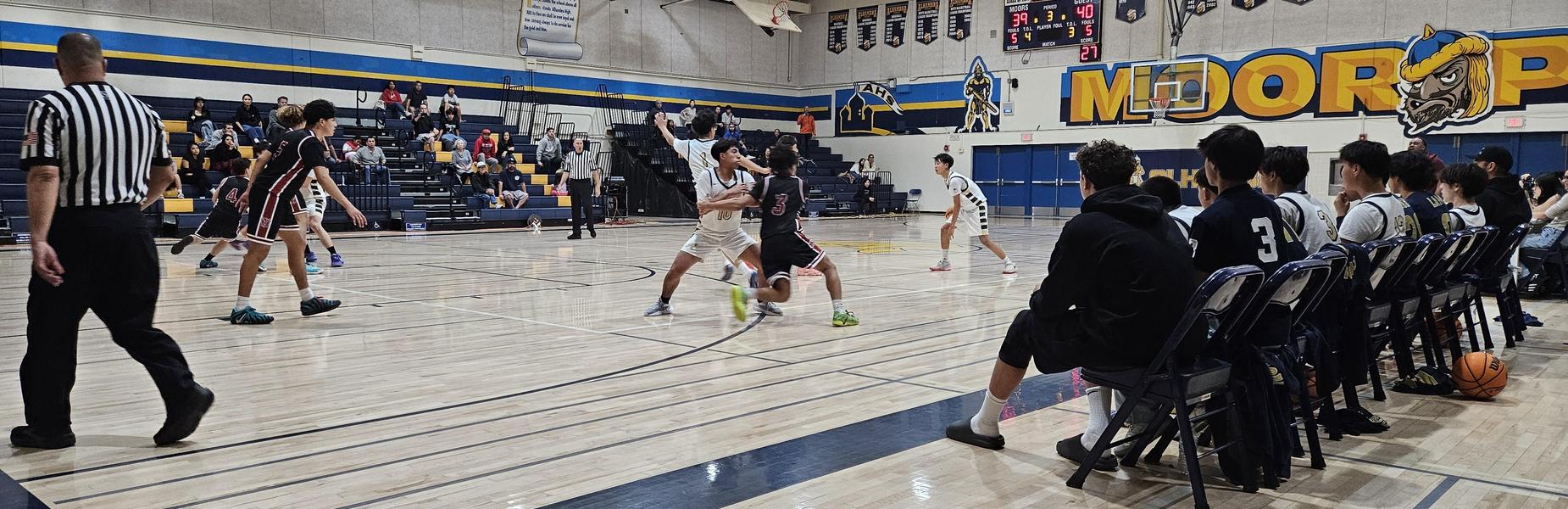
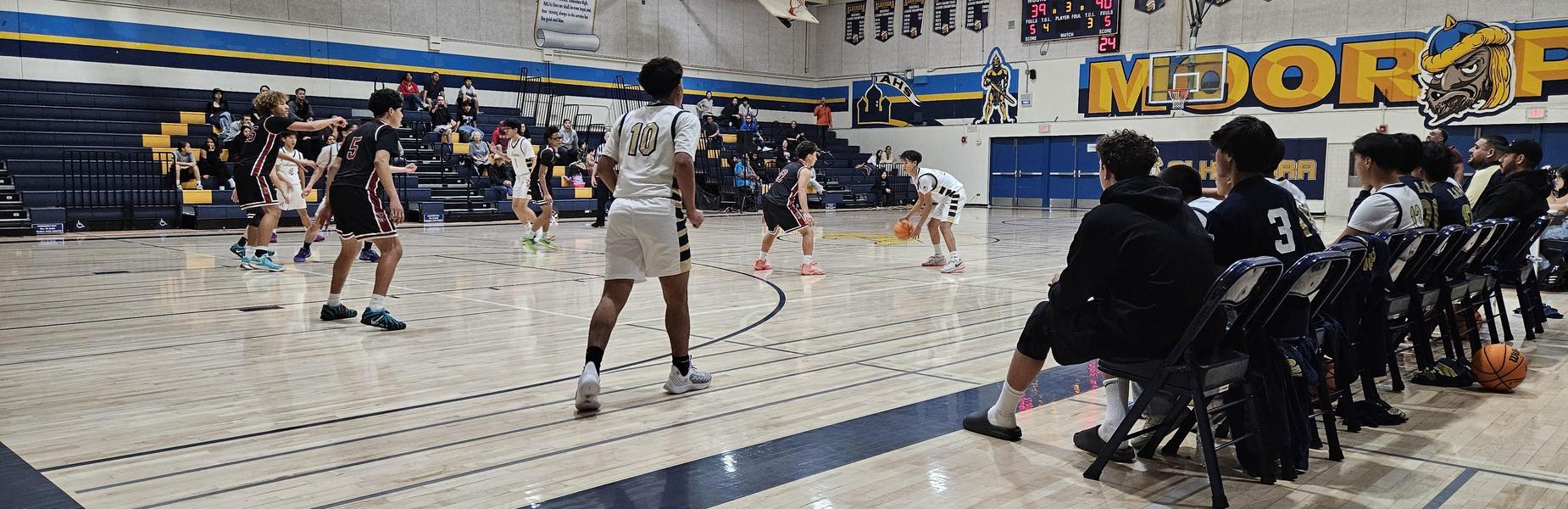
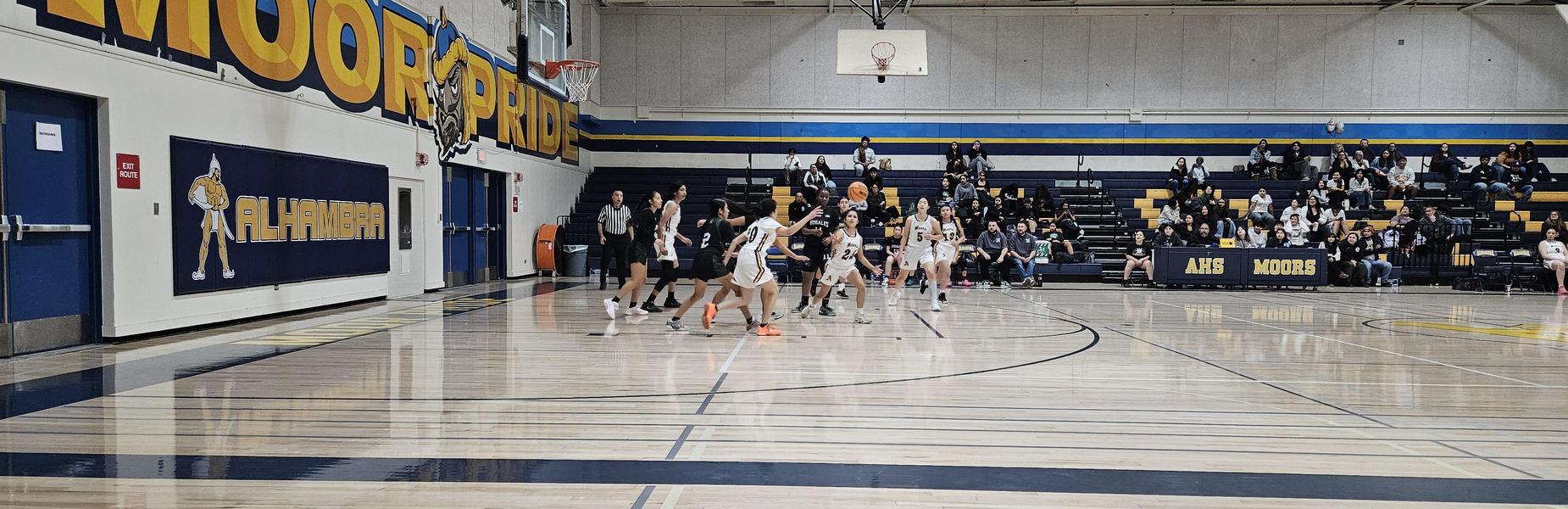
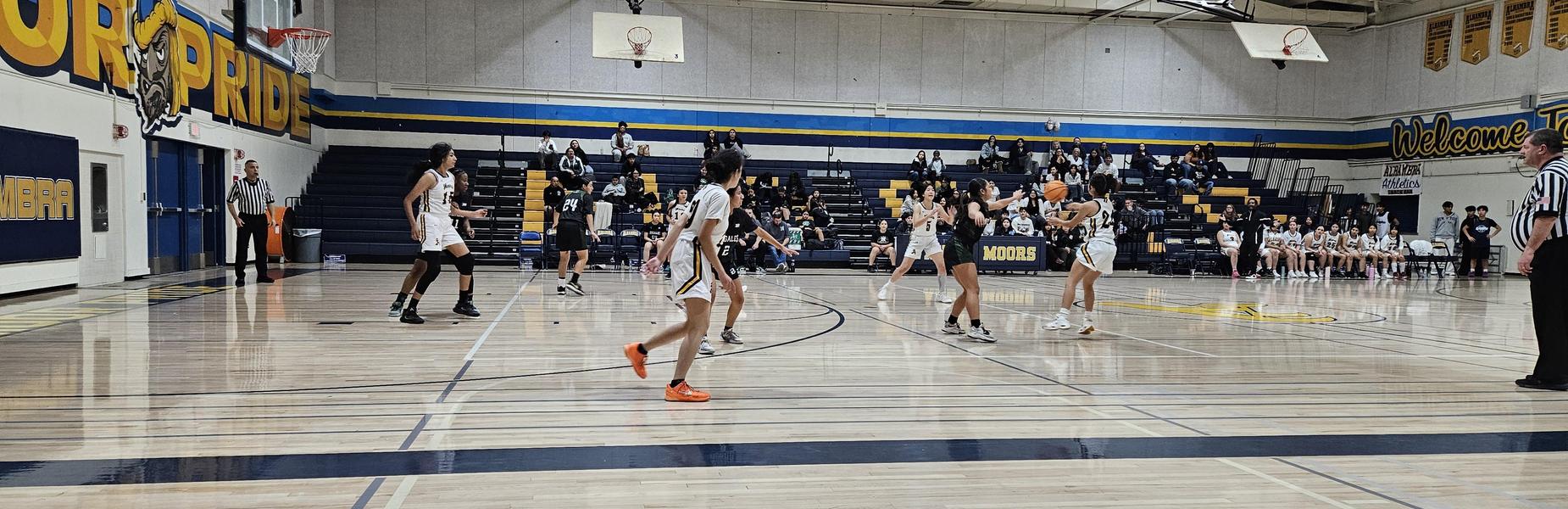
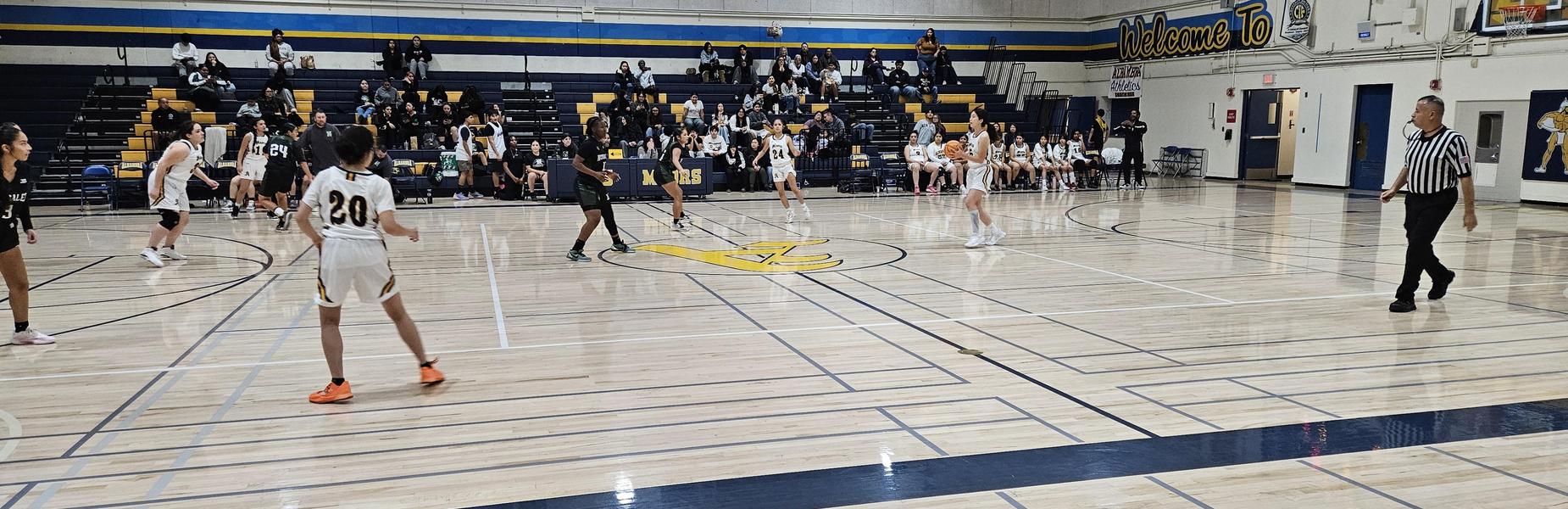
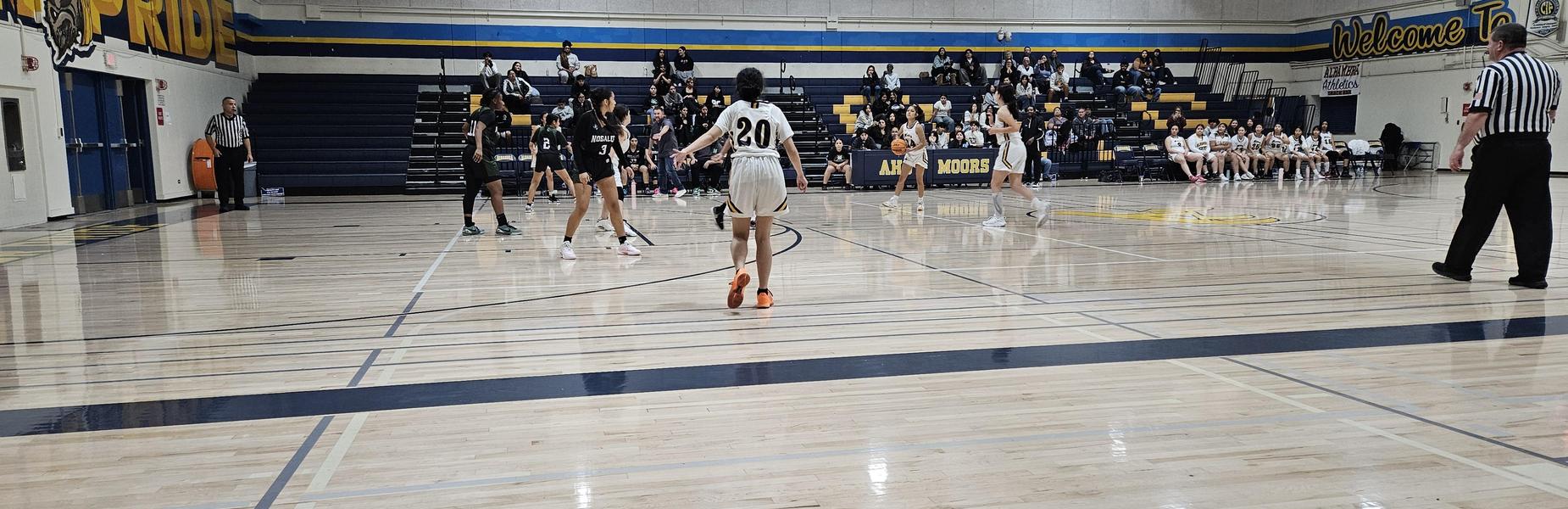
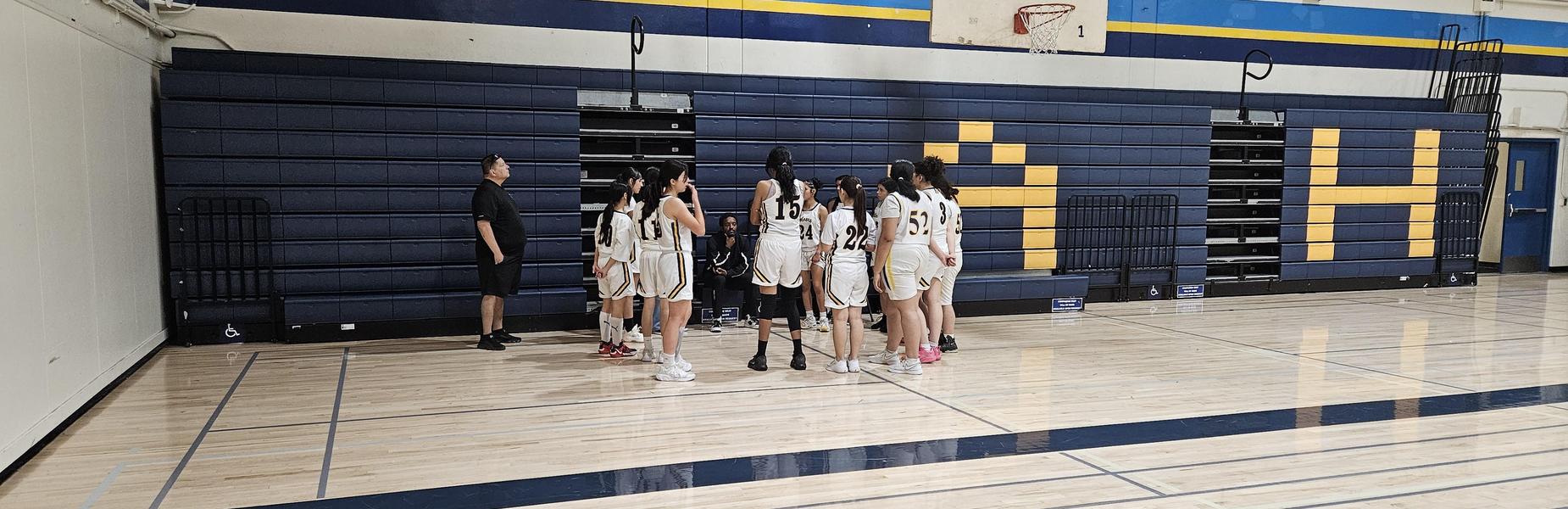
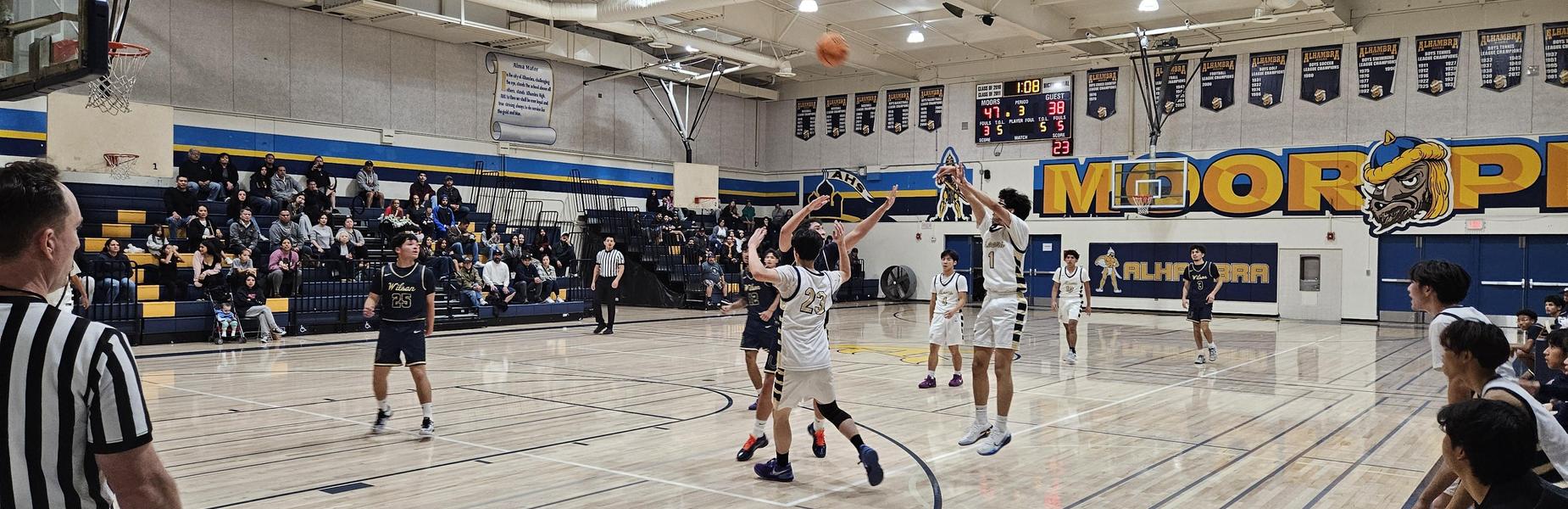
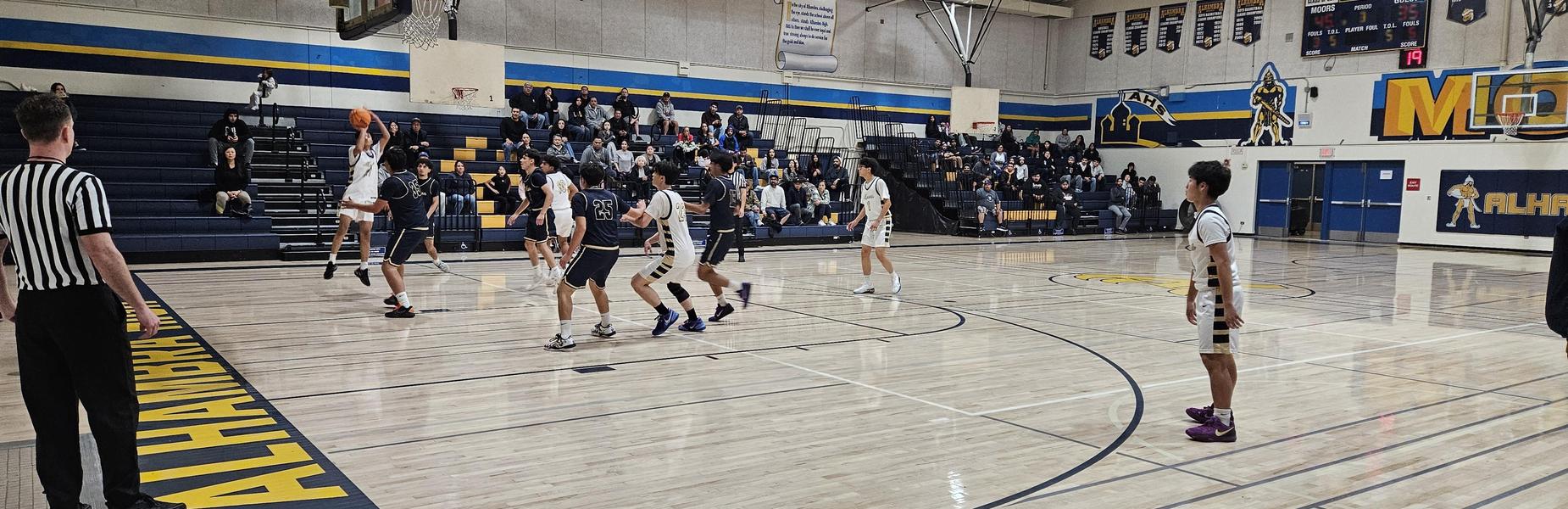
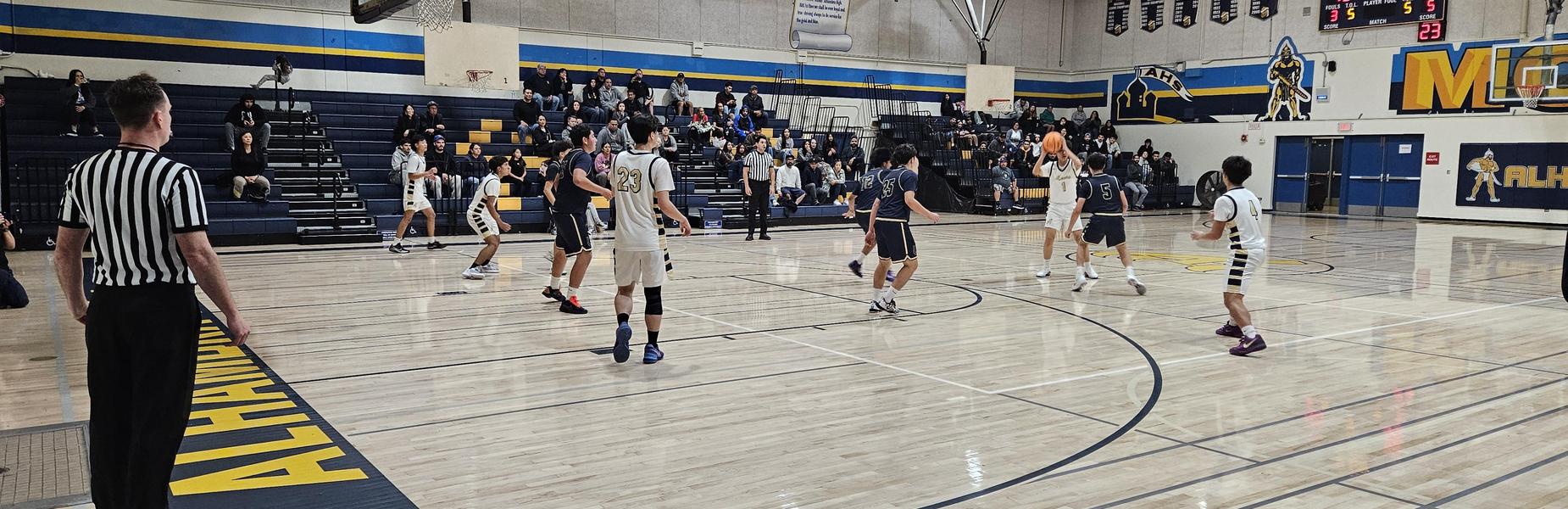
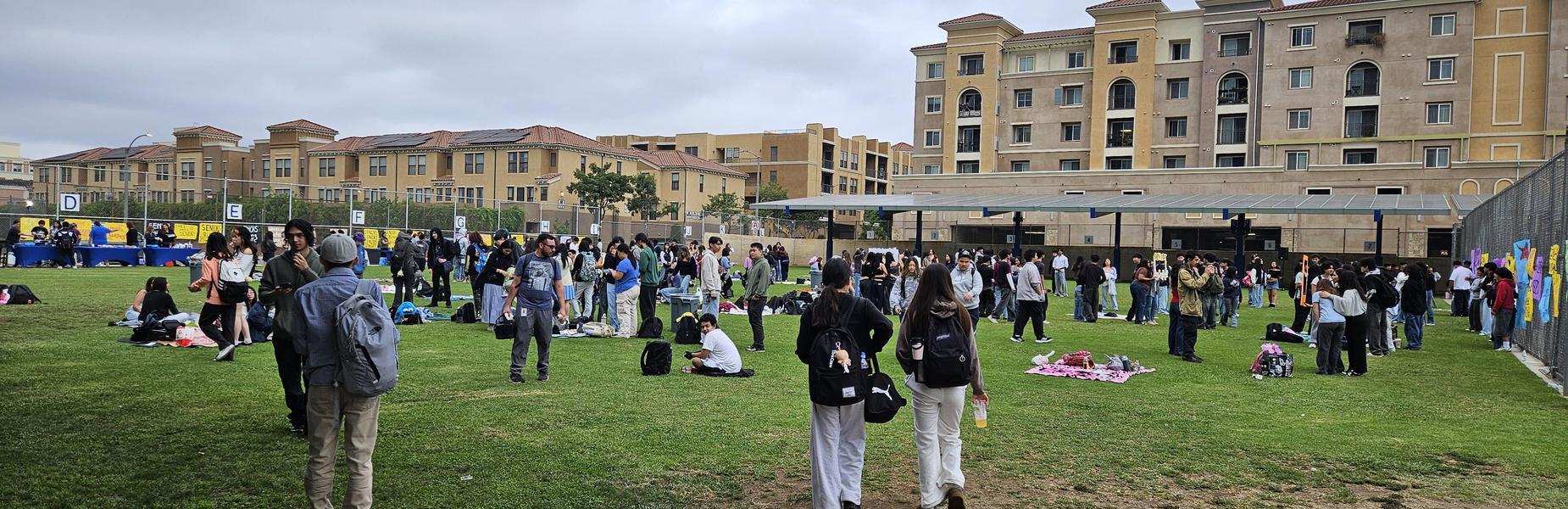
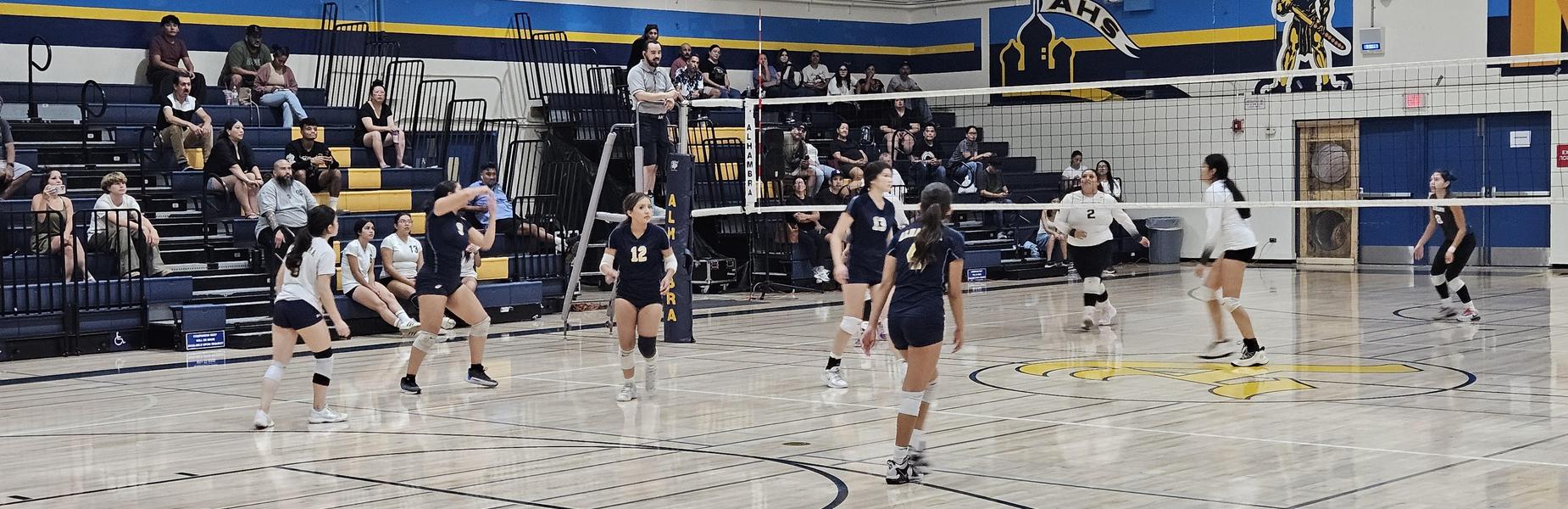
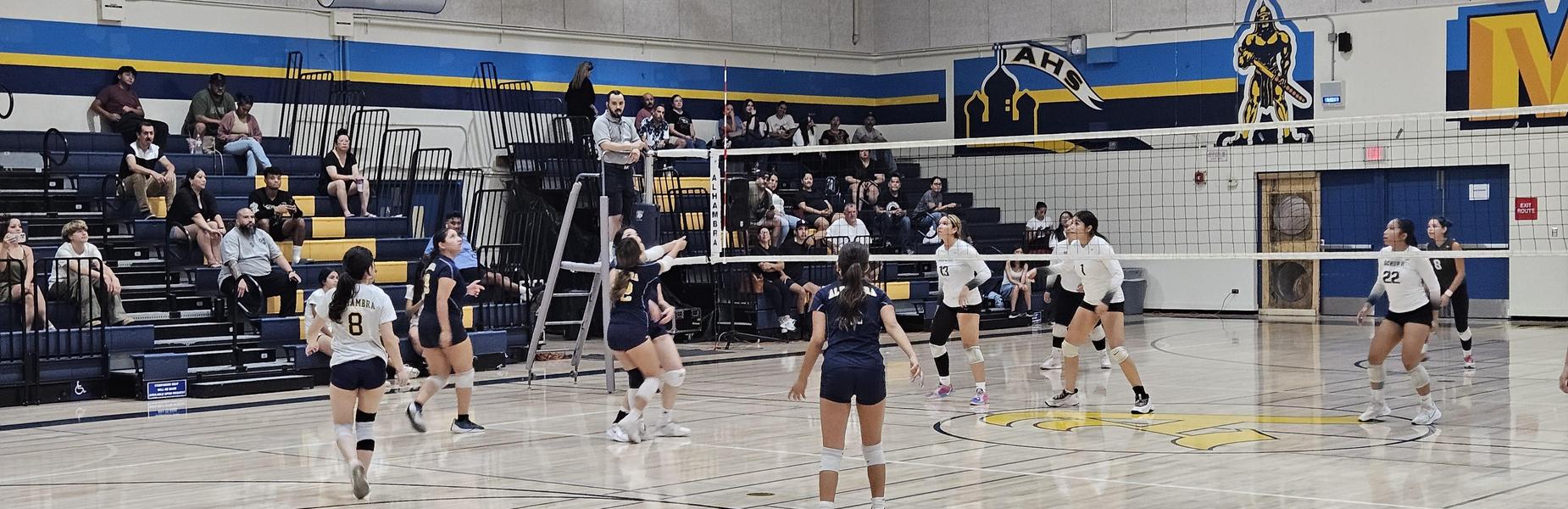
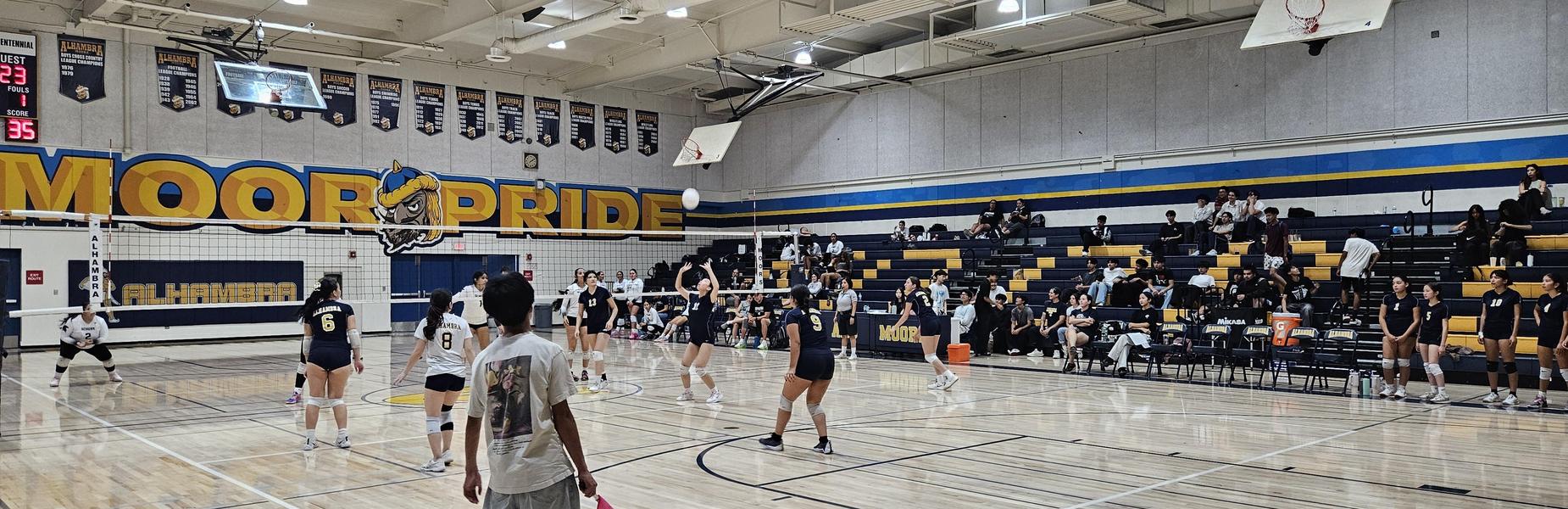
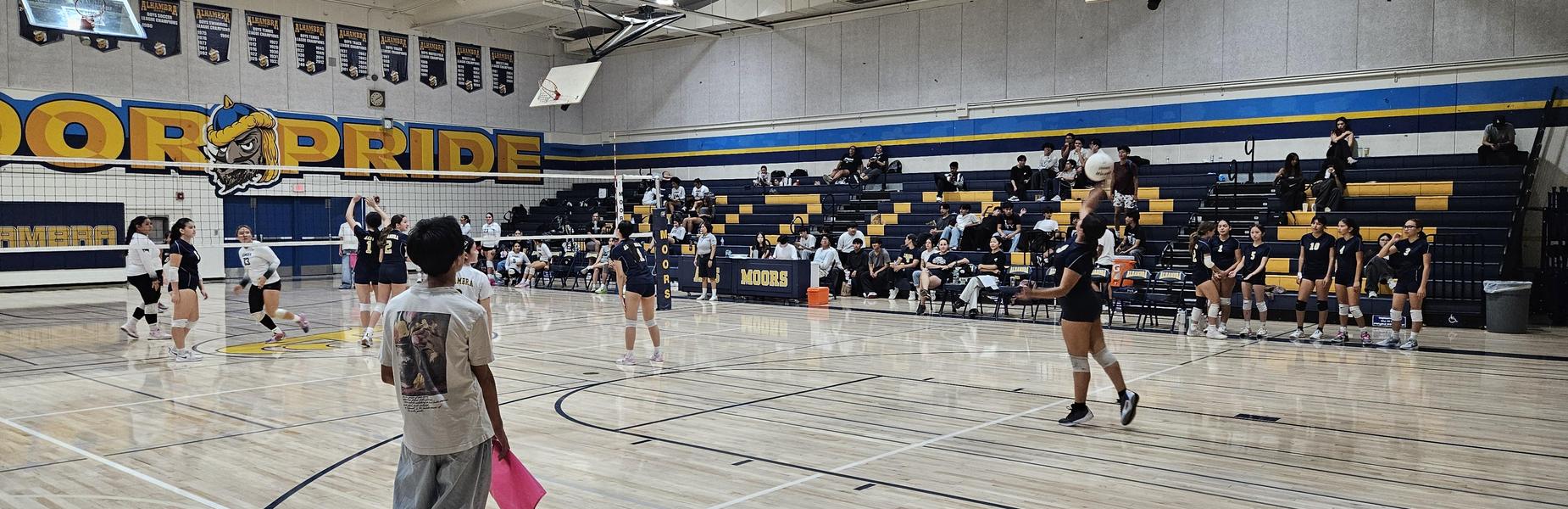
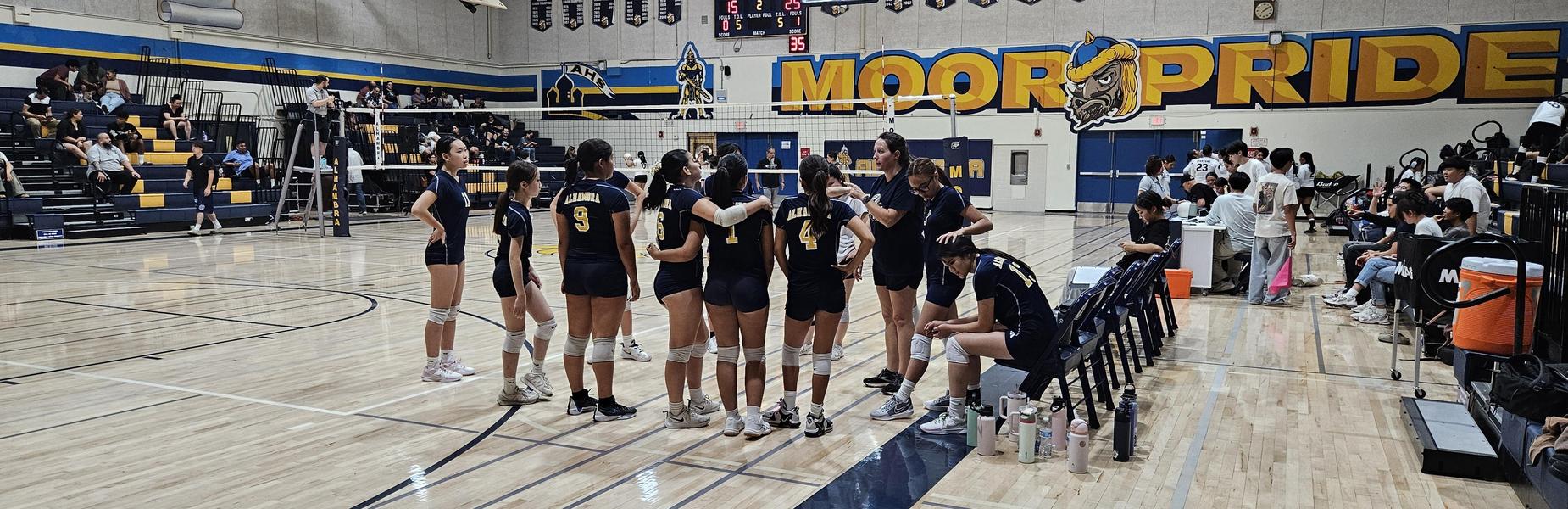
Over the last few years Alhambra High School has undergone major renovations and construction projects. We have a new state of the art Science building. Our auditorium is beautiful with new seats and paint along with a new sound booth. For physical education and athletics purposes, the large gym has a new floor, scoreboard, paint and sound deadening wall panels and both gyms have had new bleachers installed. We have new outdoor basketball and volleyball courts. The C and D buildings have a new heating and air-conditioning system as well as new outdoor pedestrian traffic coating. The list goes on, but all improvements have been made to ensure students learn in a suitable environment where they can challenge themselves to reach their dreams.

At Alhambra High School, failure is not an option. With our dedicated and experienced staff, Alhambra High School offers diverse and comprehensive learning opportunities for all students. A consistently high four-year graduation rate is proof that we work as a community to ensure success for all our students.  We believe that all students can and will learn because of what we do at Alhambra High School.

Thank you for your interest in Alhambra High School. Go MOORS!

Student Enrollment

Group Enrollment
Number of students 3,076
Black or African American 1.3%
American Indian or Alaska Native 0.2%
Asian 44.8%
Filipino 1.9%
Hispanic or Latino 47.0%
Native Hawaiian or Pacific Islander 0.2%
White 4.0%
Two or More Races 0.6%
Socioeconomically Disadvantaged 75.1%
English Learners 36.7%
Students with Disabilities 8.5%

Teachers

Indicator Teachers
Teachers with full credential 113
Teachers without full credential 0
Teachers Teaching Outside Subject Area of Competence 4
Misassignments of Teachers of English Learners 3
Total Teacher Misassignments 7

Student Performance

Subject Students Proficient and Above on STAR* Program Results
English-Language Arts 53%
Mathematics 50%
Science 50%
History-Social Science 49%

*Standardized Testing and Reporting Program assessments used for accountability purposes include the California Standards Tests, the California Modified Assessment, and the California Alternate Performance Assessment.

Academic Progress*

Indicator Result
2011 Growth API Score (from 2011 Growth API Report) 780
Statewide Rank (from 2010 Base API Report) 6
Met All 2011 AYP Requirements Yes
Number of AYP Criteria Met Out of the Total Number of Criteria Possible Met 22 of 22
2011–12 Program Improvement Status (PI Year) Year 1

*The Academic Performance Index is required under state law. Adequate Yearly Progress is required by federal law.

School Facilities

Summary of Most Recent Site Inspection

The most recent inspection by the Alhambra HS Plant Foreman in November 2011, found the site to be clean, safe and without any major defects requiring emergency repairs.

Repairs Needed

Most repairs needed are general maintenance or wear and tear items.

Corrective Actions Taken or Planned

Repairs will be scheduled as regular ongoing maintenance.

Curriculum and Instructional Materials

Core Curriculum Area Pupils Who Lack Textbooks and Instructional Materials
Reading/Language Arts 0%
Mathematics 0%
Science 0%
History-Social Science 0%
Foreign Language 0%
Health 0%
Visual and Performing Arts 0%
Science Laboratory Equipment (grades 9-12) 0%

School Finances

Level Expenditures Per Pupil (Unrestricted Sources Only)
School Site $5,189
District $5,259
State $5,455

School Completion

Indicator Result
Graduation Rate (if applicable) 94.27

Postsecondary Preparation

Measure Percent
Pupils Who Completed a Career Technical Education Program and Earned a High School Diploma 8.05%
Graduates Who Completed All Courses Required for University of California or California State University Admission 47.6%

School Accountability Report Card

Reported Using Data from the 2010–11 School Year

Published During 2011–12

Every school in California is required by state law to publish a School Accountability Report Card (SARC), by February 1 of each year. The SARC contains information about the condition and performance of each California public school.

  • For more information about SARC requirements, see the California Department of Education (CDE) SARC Web page at http://www.cde.ca.gov/ta/ac/sa/.
  • For additional information about the school, parents and community members should contact the school principal or the district office.

I. Data and Access

Ed-Data Partnership Web Site

Ed-Data is a partnership of the CDE, EdSource, and the Fiscal Crisis and Management Assistance Team (FCMAT) that provides extensive financial, demographic, and performance information about California’s public kindergarten through grade twelve school districts and schools.

DataQuest

DataQuest is an online data tool located on the CDE DataQuest Web page at http://dq.cde.ca.gov/dataquest/ that contains additional information about this school and comparisons of the school to the district, the county, and the state. Specifically, DataQuest is a dynamic system that provides reports for accountability (e.g., state Academic Performance Index [API], federal Adequate Yearly Progress [AYP]), test data, enrollment, high school graduates, dropouts, course enrollments, staffing, and data regarding English learners.

Internet Access

Internet access is available at public libraries and other locations that are publicly accessible (e.g., the California State Library). Access to the Internet at libraries and public locations is generally provided on a first-come, first-served basis. Other use restrictions may include the hours of operation, the length of time that a workstation may be used (depending on availability), the types of software programs available on a workstation, and the ability to print documents.

II. About This School

Contact Information (School Year 2011–12)

School District
School Name Alhambra High District Name Alhambra Unified
Street 101 South Second St. Phone Number (626) 943-3000
City, State, Zip Alhambra, CA, 91801-3716 Web Site www.ausd.us
Phone Number (626) 308-2342 Superintendent Donna Perez
Principal Brad Walsh, Principal E-mail Address perez_donna@alhambra.k12.ca.us
E-mail Address walsh_brad@alhambra.k12.ca.us CDS Code 19757131930163

School Description and Mission Statement (School Year 2010–11)

The Mission of Alhambra High School is to empower skilled, lifelong learners to become productive citizens in a multicultural society.

Opportunities for Parental Involvement (School Year 2010–11)

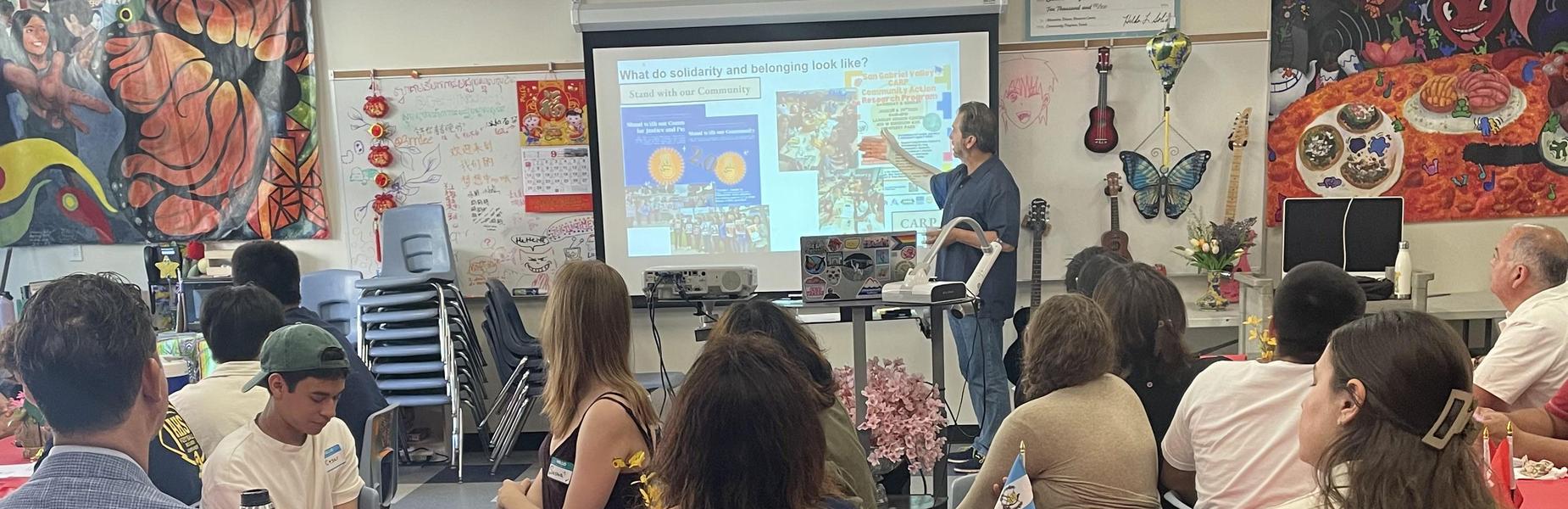
There are many ways a parent can be involved with Alhambra High School in ensuring academic success for all students. First I encourage all parents to check frequently the Parent Portal system. With this system you can check on attendance and grades for all periods and subjects. If you need your password to access the system, please contact the Guidance Office. The PTA is always looking for parents to join and work for the betterment of our school. An elected body of parents, students, teachers and administrators comprise the School Site Council (SSC). This body makes major decisions regarding how we use our  resources to ensure all students succeed. The School Advisory Council (SAC) and English Language Advisory Council (ELAC) works to ensure that the needs of English Learner students are being met. We also have many parent workshops devoted to helping parents to help their students achieve such as Parent University, Cash for College, College Night and counselor led discussions for all grade levels.

Student Enrollment by Grade Level (School Year 2010–11)

Grade Level Number of Students Grade Level Number of Students
Kindergarten 0 Grade 8 0
Grade 1 0 Ungraded Elementary 0
Grade 2 0 Grade 9 762
Grade 3 0 Grade 10 765
Grade 4 0 Grade 11 805
Grade 5 0 Grade 12 744
Grade 6 0 Ungraded Secondary 0
Grade 7 0 Total Enrollment 3,076

Student Enrollment by Subgroup (School Year 2010–11)

Group Percent of Total Enrollment
Black or African American 1.3%
American Indian or Alaska Native 0.2%
Asian 44.8%
Filipino 1.9%
Hispanic or Latino 47.0%
Native Hawaiian or Pacific Islander 0.2%
White 4.0%
Two or More Races 0.6%
Socioeconomically Disadvantaged 75.1%
English Learners 36.7%
Students with Disabilities 8.5%

Average Class Size and Class Size Distribution (Secondary)

Subject Avg. Class Size 2008–09 Number of Classes* Avg. Class Size 2009–10 Number of Classes* Avg. Class Size 2010–11 Number of Classes*
1-22 23-32 33+ 1-22 23-32 33+ 1-22 23-32 33+
English 33.0 3 10 32 32.10 15 19 66 31.2 24 18 70
Mathematics 33.8 0 11 36 27.61 2 21 63 32.2 6 18 66
Science 34.8 0 2 15 20.55 3 8 53 34.3 3 2 52
Social Science 32.3 1 6 13 22.47 2 14 54 33.2 4 5 56

* Number of classes indicates how many classrooms fall into each size category (a range of total students per classroom). At the secondary school level, this information is reported by subject area rather than grade level.

III. School Climate

School Safety Plan (School Year 2010–11)

The Safety of students and staff is a primary concern. The school complies with laws, rules, and regulations pertaining to hazardous materials and State earthquake standards. The school’s disaster drills are conducted regularly throughout the school year. All visitors must check in at the school office and wear visitors’ badges while on school grounds.  During lunch, recesses, and before and after school, yard supervisors monitor students and school grounds, including the cafeteria and playgrounds, to ensure a safe and orderly environment.

The Comprehensive School Safety Plan was developed by the School Site Council in cooperation with local law enforcement in order to comply with Senate Bill 187 of 1997. The plan provides students and staff a means to ensure a safe and orderly learning environment. Components of the Comprehensive School Safety Plan include child abuse reporting procedures, teacher notification of dangerous pupils procedures, disaster response procedures, procedures for safe ingress and egress from school, sexual harassment policy, and suspension and expulsion policies. The School Site Council evaluates the plan annually and updates the plan as needed. The plan was last updated and reviewed with school staff in March 2010. An updated copy is available to the public at the school and district offices.

Suspensions and Expulsions

Rate* School 2008–09 School 2009–10 School 2010–11 District 2008–09 District 2009–10 District 2010–11
Suspensions 13.11% 10.18% 4.65% 8.42% 6.31% 2.35%
Expulsions 4.07% 3.69% 0.46% 1.55% 1.43% 0.30%

* The rate of suspensions and expulsions is calculated by dividing the total number of incidents by the total enrollment.

IV. School Facilities

School Facility Conditions and Planned Improvements (School Year 2011–12)

The HVAC systems in Buildings C and D, the gym floor, and the fourth street bridge fencing have been replaced.  New basketball courts have been constructed where portable classroom buildings were removed and new irrigation systems have been installed on 2nd St. and Commonwealth Ave.

School Facility Good Repair Status (School Year 2011–12)

System Inspected Repair Status Repair Needed and Action Taken or Planned
Exemplary Good Fair Poor
Systems: Gas Leaks, Mechanical/HVAC, Sewer X
Interior: Interior Surfaces X Some classrooms need carpets replaced.
Cleanliness: Overall Cleanliness, Pest/ Vermin Infestation X
Electrical: Electrical X
Restrooms/Fountains: Restrooms, Sinks/ Fountains X Hot water system for gym locker rooms needs to be replaced.
Safety: Fire Safety, Hazardous Materials X
Structural: Structural Damage, Roofs X
External: Playground/School Grounds, Windows/ Doors/Gates/Fences X Several doors in the gym need to be replaced.
Overall Rating X

Note: Cells shaded in black do not require data.

V. Teachers

Teacher Credentials

Teachers School 2008–09 School 2009–10 School 2010–11 District 2010–11
With Full Credential 122 114 113 694
Without Full Credential 1 0 0 0
Teaching Outside Subject Area of Competence (with full credential) 2 7 4 10

Teacher Misassignments and Vacant Teacher Positions

Indicator 2009–10 2010–11 2011–12
Misassignments of Teachers of English Learners 3 3 1
Total Teacher Misassignments* 10 7 3
Vacant Teacher Positions 1 16 18

Note: “Misassignments” refers to the number of positions filled by teachers who lack legal authorization to teach that grade level, subject area, student group, etc.

* Total Teacher Misassignments includes the number of Misassignments of Teachers of English Learners.

Core Academic Classes Taught by Highly Qualified Teachers (School Year 2010–11)

The Federal Elementary and Secondary Education Act (ESEA), also known as No Child Left Behind (NCLB), requires that core academic subjects be taught by Highly Qualified Teachers, defined as having at least a bachelor’s degree, an appropriate California teaching credential, and demonstrated core academic subject area competence. For more information, see the CDE Improving Teacher and Principal Quality Web page at: http://www.cde.ca.gov/nclb/sr/tq/

Location of Classes Percent of Classes In Core Academic Subjects Taught by Highly Qualified Teachers Percent of Classes In Core Academic Subjects Not Taught by Highly Qualified Teachers
This School 98.40% 1.60%
All Schools in District 99.31% 0.69%
High-Poverty Schools in District 99.31% 0.69%
Low-Poverty Schools in District 100.00% 0.00%

Note: High-poverty schools are defined as those schools with student eligibility of approximately 40 percent or more in the free and reduced price meals program. Low-poverty schools are those with student eligibility of approximately 25 percent or less in the free and reduced price meals program.

VI. Support Staff

Academic Counselors and Other Support Staff (School Year 2010–11)

Title Number of FTE* Assigned to School Average Number of Students per Academic Counselor
Academic Counselor 7 439
Counselor (Social/Behavioral or Career Development) 0
Library Media Teacher (librarian) 1
Library Media Services Staff (paraprofessional) 0
Psychologist 2
Social Worker 0
Nurse 1
Speech/Language/Hearing Specialist 0
Resource Specialist (non-teaching) 0
Other 4

Note: Cells shaded in black do not require data.
* One Full-Time Equivalent (FTE) equals one staff member working full-time; one FTE could also represent two staff members who each work 50 percent of full-time.

VII. Curriculum and Instructional Materials

Quality, Currency, Availability of Textbooks and Instructional Materials (School Year 2011–12)

This section describes whether the textbooks and instructional materials used at the school are from the most recent adoption; whether there are sufficient textbooks and instruction materials for each student; and information about the school’s use of any supplemental curriculum or non-adopted textbooks or instructional materials.
Year and month in which data were collected:    December 2011

Core Curriculum Area Textbooks and instructional materials/year of adoption From most recent adoption? Percent students lacking own assigned copy
Reading/Language Arts Holt, Rinehart and Winston, 2001 Yes 0%
Mathematics McDougal Littell, 2008 Yes 0%
Science Prentice Hall, 2007 Yes 0%
History-Social Science McDougal Littell, 2006

McGraw-Hill, 2006

Prentice Hall, 2006

Yes 0%
Foreign Language McDougal Littell, 2001

Prentice Hall, 2001

Heinie and Heinie, 2001

US International Press, 2001

Yes 0%
Health N/A N/A N/A
Visual and Performing Arts Glencoe, 2007 Yes 0%
Science Laboratory Equipment (grades 9-12) N/A N/A N/A

VIII. School Finances

Expenditures Per Pupil and School Site Teacher Salaries (Fiscal Year 2009–10)

Level Total Expenditures Per Pupil Expenditures Per Pupil (Supplemental / Restricted) Expenditures Per Pupil (Basic / Unrestricted) Average Teacher Salary
School Site $6,6451 $1,262 $5,189 $68,846
District $5,259 $70,053
Percent Difference – School Site and District -1.33% -1.72%
State $5,455 $67,667
Percent Difference – School Site and State -4.88% 1.74%

Note: Cells shaded in black do not require data.

Supplemental/Restricted expenditures come from money whose use is controlled by law or by a donor. Money that is designated for specific purposes by the district or governing board is not considered restricted. Basic/unrestricted expenditures are from money whose use, except for general guidelines, is not controlled by law or by a donor.

For detailed information on school expenditures for all districts in California, see the CDE Current Expense of Education & Per-pupil Spending Web page at http://www.cde.ca.gov/ds/fd/ec/. For information on teacher salaries for all districts in California, see the CDE Certificated Salaries & Benefits Web page at http://www.cde.ca.gov/ds/fd/cs/. To look up expenditures and salaries for a specific school district, see the Ed-Data Web site at: http://www.ed-data.org.

Types of Services Funded (Fiscal Year 2010–11)

This section provides information about the programs and supplemental services that are available at the school and funded through either categorical or other sources.

In addition to general State funding, Alhambra Unified School District receives State and Federal categorical funding for special programs.  For the 2010-11 school year, the District received approximately $1,688 per student in Federal or State aid for the following categorical, special education, and support programs:

  • Title I
  • Title II
  • Title III
  • Title IV
  • WIA
  • Migrant Education
  • Lottery Instructional Materials
  • Special Education
  • EIA/SCE
  • EIA/LEP
  • VAPA

Teacher and Administrative Salaries (Fiscal Year 2009–10)

Category District Amount State Average For Districts In Same Category
Beginning Teacher Salary $35,430 $41,035
Mid-Range Teacher Salary $66,490 $65,412
Highest Teacher Salary $97,260 $84,837
Average Principal Salary (Elementary) $123,067 $106,217
Average Principal Salary (Middle) $0 $111,763
Average Principal Salary (High) $138,132 $121,538
Superintendent Salary $207,289 $197,275
Percent of Budget for Teacher Salaries 35.00% 39.00%
Percent of Budget for Administrative Salaries 5.00% 5.00%

Note: For detailed information on salaries, see the CDE Certificated Salaries & Benefits Web page at http://www.cde.ca.gov/ds/fd/cs/.

IX. Student Performance

Standardized Testing and Reporting Program

The Standardized Testing and Reporting (STAR) Program consists of several key components, including:

  • California Standards Tests (CSTs), which include English-language arts (ELA) and mathematics in grades two through eleven; science in grades five, eight, and nine through eleven; and history-social science in grades eight, and nine through eleven.
  • California Modified Assessment (CMA), an alternate assessment that is based on modified achievement standards in ELA for grades three through eleven; mathematics for grades three through seven, Algebra I, and Geometry; and science in grades five and eight, and Life Science in grade ten. The CMA is designed to assess those students whose disabilities preclude them from achieving grade-level proficiency on an assessment of the California content standards with or without accommodations.
  • California Alternate Performance Assessment (CAPA), includes ELA and mathematics in grades two through eleven, and science for grades five, eight, and ten. The CAPA is given to those students with significant cognitive disabilities whose disabilities prevent them from taking either the CSTs with accommodations or modifications or the CMA with accommodations.

The assessments under the STAR Program show how well students are doing in relation to the state content standards. On each of these assessments, student scores are reported as performance levels.

For detailed information regarding the STAR Program results for each grade and performance level, including the percent of students not tested, see the CDE STAR Results Web site at http://star.cde.ca.gov.

Standardized Testing and Reporting Results for All Students – Three-Year Comparison

Subject Percent of Students Scoring at Proficient or Advanced (meeting or exceeding the state standards)
School District State
2008–09 2009–10 2010–11 2008–09 2009–10 2010–11 2008–09 2009–10 2010–11
English-Language Arts 49% 51% 53% 56% 59% 61% 49% 52% 54%
Mathematics 38% 39% 50% 59% 61% 64% 46% 48% 50%
Science 46% 43% 50% 56% 58% 63% 50% 54% 57%
History-Social Science 50% 45% 49% 47% 48% 52% 41% 44% 48%

Note: Scores are not shown when the number of students tested is ten or less, either because the number of students in this category is too small for statistical accuracy or to protect student privacy.

Standardized Testing and Reporting Results by Student Group – Most Recent Year

Group Percent of Students Scoring at Proficient or Advanced
English- Language Arts Mathematics Science History- Social Science
All Students in the LEA 61% 64% 63% 52%
All Students at the School 53% 50% 50% 49%
Male 50% 49% 49% 53%
Female 57% 50% 50% 45%
Black or African American 64% 29% 0% 50%
American Indian or Alaska Native 0% 0% 0% 0%
Asian 65% 73% 66% 63%
Filipino 57% 54% 0% 52%
Hispanic or Latino 41% 29% 33% 34%
Native Hawaiian or Pacific Islander 0% 0% 0% 0%
White 56% 42% 57% 64%
Two or More Races 62% 36% 0% 42%
Socioeconomically Disadvantaged 52% 51% 48% 48%
English Learners 19% 39% 23% 24%
Students with Disabilities 21% 19% 41% 18%
Students Receiving Migrant Education Services 33% 24% 0% 27%

Note: Scores are not shown when the number of students tested is ten or less, either because the number of students in this category is too small for statistical accuracy or to protect student privacy.

California High School Exit Examination

The California High School Exit Examination (CAHSEE) is primarily used as a graduation requirement. However, the grade ten results of this exam are also used to establish the percentages of students at three proficiency levels (not proficient, proficient, or advanced) in ELA and mathematics to compute AYP designations required by the federal ESEA, also known as NCLB.
For detailed information regarding CAHSEE results, see the CDE CAHSEE Web site at http://cahsee.cde.ca.gov/.

California High School Exit Examination Results for All Grade Ten Students – Three-Year Comparison (if applicable)

Subject Percent of Students Scoring at Proficient or Advanced
School District State
2008–09 2009–10 2010–11 2008–09 2009–10 2010–11 2008–09 2009–10 2010–11
English-Language Arts 54% 56% 63% 55% 56% 67% 52% 54% 59%
Mathematics 66% 64% 69% 70% 68% 74% 53% 54% 56%

Note: Scores are not shown when the number of students tested is ten or less, either because the number of students in this category is too small for statistical accuracy or to protect student privacy.

California High School Exit Examination Grade Ten Results by Student Group – Most Recent Year (if applicable)

Group English-Language Arts Mathematics
Not Proficient Proficient Advanced Not Proficient Proficient Advanced
All Students in the LEA 33% 25% 41% 26% 30% 44%
All Students at the School 37% 29% 34% 31% 34% 35%
Male 41% 30% 29% 30% 35% 35%
Female 32% 27% 40% 32% 32% 36%
Black or African American 0% 0% 0% 0% 0% 0%
American Indian or Alaska Native 0% 0% 0% 0% 0% 0%
Asian 23% 29% 48% 7% 29% 64%
Filipino 9% 55% 36% 36% 45% 18%
Hispanic or Latino 51% 27% 22% 50% 37% 13%
Native Hawaiian or Pacific Islander 0% 0% 0% 0% 0% 0%
White 20% 31% 49% 26% 40% 34%
Two or More Races 56% 28% 17% 37% 58% 5%
Socioeconomically Disadvantaged 40% 30% 31% 32% 33% 35%
English Learners 71% 24% 5% 42% 38% 20%
Students with Disabilities 85% 8% 7% 80% 10% 10%
Students Receiving Migrant Education Services 0% 0% 0% 0% 0% 0%

Note: Scores are not shown when the number of students tested is ten or less, either because the number of students in this category is too small for statistical accuracy or to protect student privacy.

California Physical Fitness Test Results (School Year 2010–11)

The California Physical Fitness Test (PFT) is administered to students in grades five, seven, and nine only. This table displays by grade level the percent of students meeting the fitness standards for the most recent testing period. For detailed information regarding this test, and comparisons of a school’s test results to the district and state, see the CDE PFT Web page at http://www.cde.ca.gov/ta/tg/pf/.

Grade Level Percent of Students Meeting Fitness Standards
Four of Six Standards Five of Six Standards Six of Six Standards
5 0.00% 0.00% 0.00%
7 0.00% 0.00% 0.00%
9 23.60% 34.00% 23.60%

Note: Scores are not shown when the number of students tested is ten or less, either because the number of students in this category is too small for statistical accuracy or to protect student privacy.

X. Accountability

Academic Performance Index

The Academic Performance Index (API) is an annual measure of state academic performance and progress of schools in California. API scores range from 200 to 1,000, with a statewide target of 800. For detailed information about the API, see the CDE API Web page at http://www.cde.ca.gov/ta/ac/ap/.

Academic Performance Index Ranks – Three-Year Comparison

This table displays the school’s statewide and similar schools’ API ranks. The statewide API rank ranges from 1 to 10. A statewide rank of 1 means that the school has an API score in the lowest ten percent of all schools in the state, while a statewide rank of 10 means that the school has an API score in the highest ten percent of all schools in the state.

The similar schools API rank reflects how a school compares to 100 statistically matched “similar schools.” A similar schools rank of 1 means that the school’s academic performance is comparable to the lowest performing ten schools of the 100 similar schools, while a similar schools rank of 10 means that the school’s academic performance is better than at least 90 of the 100 similar schools.

API Rank 2008 2009 2010
Statewide 6 6 6
Similar Schools 2 4 3

Academic Performance Index Growth by Student Group – Three-Year Comparison

Group Actual API Change 2008–09 Actual API Change 2009–10 Actual API Change 2010–11
All Students at the School 17 8 18
Black or African American
American Indian or Alaska Native
Asian 14 6 17
Filipino
Hispanic or Latino 22 16 17
Native Hawaiian or Pacific Islander
White
Two or More Races N/D
Socioeconomically Disadvantaged 18 10 13
English Learners -4 8 49
Students with Disabilities 19 5 0

Note: “N/D” means that no data were available to the CDE or LEA to report. “B” means the school did not have a valid API Base and there is no Growth or target information. “C” means the school had significant demographic changes and there is no Growth or target information.

Academic Performance Index Growth by Student Group – 2011 Growth API Comparison

This table displays, by student group, the number of students included in the API and the 2011 Growth API at the school, LEA, and state level.

Group 2011 Growth API
Number of Students School Number of Students LEA Number of Students State
All Students at the School 2,135 780 13,537 828 4,683,676 778
Black or African American 27 751 96 784 317,856 696
American Indian or Alaska Native 4 18 757 33,774 733
Asian 927 857 6,910 894 398,869 898
Filipino 42 790 205 878 123,245 859
Hispanic or Latino 1,031 701 5,687 739 2,406,749 729
Native Hawaiian or Pacific Islander 4 16 810 26,953 764
White 86 793 452 828 1,258,831 845
Two or More Races 14 805 131 909 76,766 836
Socioeconomically Disadvantaged 1,611 770 9,660 808 2,731,843 726
English Learners 785 736 6,342 818 1,521,844 707
Students with Disabilities 178 510 1,265 608 521,815 595

Adequate Yearly Progress

The federal ESEA requires that all schools and districts meet the following Adequate Yearly Progress (AYP) criteria:

  • Participation rate on the state’s standards-based assessments in ELA and mathematics
  • Percent proficient on the state’s standards-based assessments in ELA and mathematics
  • API as an additional indicator
  • Graduation rate (for secondary schools)

For detailed information about AYP, including participation rates and percent proficient results by student group, see the CDE AYP Web page at http://www.cde.ca.gov/ta/ac/ay/.

Adequate Yearly Progress Overall and by Criteria (School Year 2010–11)

AYP Criteria School District
Made AYP Overall Yes No
Met Participation Rate – English-Language Arts Yes Yes
Met Participation Rate – Mathematics Yes Yes
Met Percent Proficient – English-Language Arts Yes No
Met Percent Proficient – Mathematics Yes No
Met API Criteria Yes Yes
Met Graduation Rate Yes Yes

Federal Intervention Program (School Year 2011–12)

Schools and districts receiving federal Title I funding enter Program Improvement (PI) if they do not make AYP for two consecutive years in the same content area (ELA or mathematics) or on the same indicator (API or graduation rate). After entering PI, schools and districts advance to the next level of intervention with each additional year that they do not make AYP. For detailed information about PI identification, see the CDE PI Status Determinations Web page: http://www.cde.ca.gov/ta/ac/ay/tidetermine.asp.

Indicator School District
Program Improvement Status In PI In PI
First Year of Program Improvement 2010-2011 2008-2009
Year in Program Improvement Year 1 Year 3
Number of Schools Currently in Program Improvement 7
Percent of Schools Currently in Program Improvement 38.9%

Note: Cells shaded in black do not require data.

XI. School Completion and Postsecondary Preparation

Admission Requirements for California’s Public Universities

University of California

Admission requirements for the University of California (UC) follow guidelines set forth in the Master Plan, which requires that the top one-eighth of the state’s high school graduates, as well as those transfer students who have successfully completed specified college course work, be eligible for admission to the UC. These requirements are designed to ensure that all eligible students are adequately prepared for University-level work.
For general admissions requirements, please visit the UC Admissions Information Web page at http://www.universityofcalifornia.edu/admissions/. (Outside source)

California State University

Eligibility for admission to the California State University (CSU) is determined by three factors:

  • Specific high school courses
  • Grades in specified courses and test scores
  • Graduation from high school

Some campuses have higher standards for particular majors or students who live outside the local campus area. Because of the number of students who apply, a few campuses have higher standards (supplementary admission criteria) for all applicants. Most CSU campuses have local admission guarantee policies for students who graduate or transfer from high schools and colleges that are historically served by a CSU campus in that region. For admission, application, and fee information see the CSU Web page at http://www.calstate.edu/admission/admission.shtml. (Outside source)

Dropout Rate and Graduation Rate

Indicator School District State
2007–08 2008–09 2009–10 2007–08 2008–09 2009–10 2007–08 2008–09 2009–10
Dropout Rate (1-year) 2.5 2.5 1.0 2.8 2.9 1.4 4.9 5.7 4.6
Graduation Rate 87.95 90.01 94.27 87.39 87.30 92.89 80.21 78.59 80.44

Note: The National Center for Education Statistics graduation rate as reported in AYP is provided in this table.

Completion of High School Graduation Requirements

This table displays, by student group, the percent of students who began the 2010–11 school year in grade twelve and were a part of the school’s most recent graduating class, meeting all state and local graduation requirements for grade twelve completion, including having passed both the ELA and mathematics portions of the CAHSEE or received a local waiver or state exemption.

Group Graduating Class of 2011
School District State
All Students 96.22% 96.10% N/D
Black or African American 100.00% 100.00% N/D
American Indian or Alaska Native 100.00% 100.00% N/D
Asian 97.87% 97.16% N/D
Filipino N/D
Hispanic or Latino 93.57% 94.02% N/D
Native Hawaiian or Pacific Islander 100.00% 100.00% N/D
White 95.24% 97.56% N/D
Two or More Races 100.00% 100.00% N/D
Socioeconomically Disadvantaged 96.30% 96.00% N/D
English Learners 92.20% 91.73% N/D
Students with Disabilities 84.21% 92.71% N/D

Note: “N/D” means that no data were available to the CDE or LEA to report.

Career Technical Education Programs (School Year 2010–11)

This section provides information about the degree to which pupils are prepared to enter the workforce, including a list of career technical education (CTE) programs offered at the school.

The Career and Technical Education (CTE) program at Alhambra High School, in conjunction with the Alhambra Unified School District and the community, offers students a range of options for their future.  The CTE program ensures that students acquire the skills necessary to be successful in school and helps them transition from high school to post-secondary education and employment.

Students in grades nine through twelve receive counseling from school personnel regarding progression through their selected career pathways and courses of study.  The school district’s Career Preparation Department and Alhambra High School’s Career Center provide a variety of services, programs, and classes to assist students.  The Career Center facilitates the process of students going on career-related field trips and sponsors speakers from local businesses, the community, community colleges and universities so that students are exposed to a wide variety of post-secondary options.  Students may continue to research careers and colleges of interest to them using specialized computer programs and the Internet.

The Regional Occupational Program (ROP) provides a significant number of CTE course offerings for the district.  The ROP program is available to students 16 years or older at any school site.  Through these classes students are able to earn credit for paid and unpaid work experience, explore career opportunities and learn employability skills.  Local businesses frequently recruit students directly from ROP community classrooms for employment, especially during the holiday season.

Alhambra High School has one California Partnership Academy:  The Green Construction Academy.  The academy features an ROP construction class as the required CTE component.  The academy operates as a school-within-a-school, where academic and technical coursework is integrated.  Activities used to assist career preparation are internships, job shadowing, field trips, and guest speakers.  The academy also provides at-risk students an opportunity to work in a small learning community.

The school measures success of its efforts to prepare students for the work force based on student demonstrations and completion of projects.  Certificates are awarded to students who successfully complete pathway programs and ROP classes.  Alhambra High School has 22 articulation agreements with nearby community colleges.  These articulation agreements support the students’ seamless transition from high school to college.

In their four-year plan, all students are encouraged to explore career interests and select courses that relate to their future career goals.  CTE courses offered at Alhambra High School are included in the following industry sectors:

*Arts, Media, and Entertainment

*Building Trades and Construction

*Finance & Business

*Health Science and Medical Technology

*Hospitality, Tourism, and Recreation

*Marketing, Sales, and Service

*Public Services

*Transportation

The following is a list of Career Preparation and ROP courses offered at Alhambra High School and District-wide:

Accounting
Explorer Tech
Computer Lit/ Appl.
Marketing
Office Occupations
Child Development
Fashion
Intro to CFL
Finance
Photo
Digital Photo & Film
Architecture
Drafting/ CAD
Web Page Design
Culinary Arts
Foods
Auto Tech
Dental Assist.
Wood Technology
Restaurant Service

All courses are offered on school campuses.

Career Technical Education Participation (School Year 2010–11)

Measure CTE Program Participation
Number of pupils participating in CTE 1,081
Percent of pupils completing a CTE program and earning a high school diploma 8.05%
Percent of CTE courses sequenced or articulated between the school and institutions of postsecondary education 41.5%

Courses for University of California and/or California State University Admission

UC/CSU Course Measure Percent
2010-11 Students Enrolled in Courses Required for UC/CSU Admission 73.7%
2009-10 Graduates Who Completed All Courses Required for UC/CSU Admission 47.6%

Advanced Placement Courses (School Year 2010–11)

Subject Number of AP Courses Offered* Percent of Students In AP Courses
Computer Science 0
English 4
Fine and Performing Arts 1
Foreign Language 3
Mathematics 3
Science 6
Social Science 9
All courses 26 5.0%

Note: Cells shaded in black do not require data. *Where there are student course enrollments.

XII. Instructional Planning and Scheduling

Professional Development

This section provides information on the annual number of school days dedicated to staff development for the most recent three-year period.

Every school in the Alhambra Unified School District has always been and continues to be committed to improvement in student learning.  Teachers are actively participating in standards-based professional development, assessment and strategies to help all students meet state standards.  Alhambra Unified School District offers staff development opportunities to teachers, administrators, and instructional aides.  Staff members build teaching skills and concepts through participation in conferences, workshops and collaboration meetings throughout the year.

The District offers three staff development days where teachers participated in a broad-based variety of professional growth sessions in standards-based curriculum and instructional strategies.  The District’s Professional Development Committee, consisting of administrators and teachers, meets to plan and develop the staff development for the District.  Using student achievement data and results from surveys, the Committee identifies training opportunities that are aligned with the goals of the District and that will improve the learning of all students.

Throughout the school year, professional development on district initiatives is provided to teachers through the use of substitutes.  This includes:  Thinking Maps, GATE Level II & III training, technology, problem solving.

The Alhambra Unified School District offers several programs to support new and veteran teachers in their classroom skills and to ensure continued professional development.  Beginning Teacher Support and Assessment (BTSA) Induction provides new teachers with assistance and support over a two-year period.  The District’s Peer Assistance and Review (PAR) program is designed to assist both veteran and new teachers by providing in-class support.